
Naples, neighbourhood by neighbourhood
Six areas that explain why Naples feels like many cities at once
Chiaia, Quartieri Spagnoli, the Historic Centre, Vomero, Rione Sanità and Posillipo have very different rhythms, landscapes and ways of life. Knowing them before you set out helps you avoid looking for the same Naples everywhere.
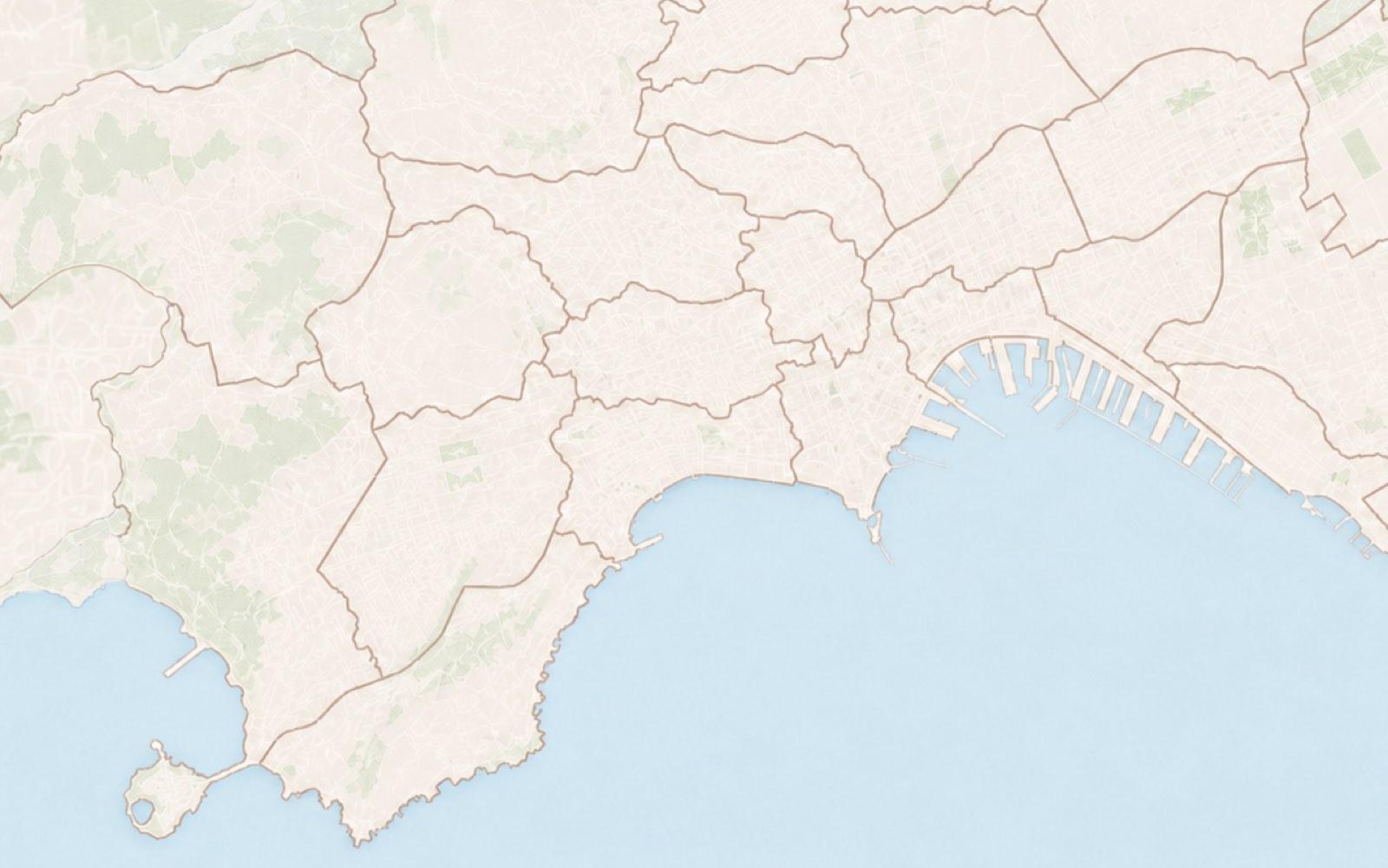
The map
Where you are, and where the city changes
The gold dot marks Follaky Secret Garden, in Chiaia. Select a neighbourhood to read about its atmosphere, main places and practical directions for getting there.
The Naples just outside your door
Elegance, the sea and everyday life
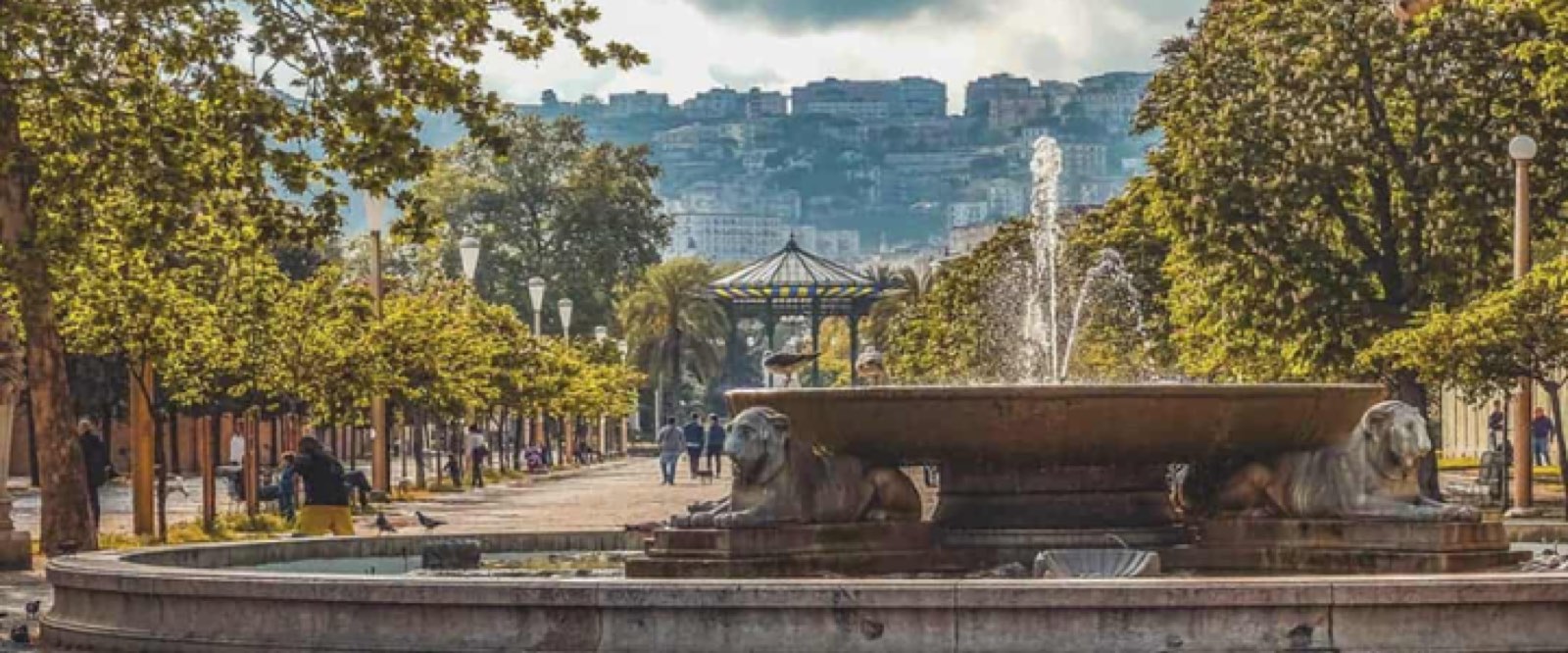
Chiaia is one of Naples’ most central and elegant neighbourhoods, but it is not only about shopping. Via Chiaia, Via dei Mille and Via Filangieri sit alongside historic palazzi, cafés, restaurants, Piazza dei Martiri, Villa Comunale and the seafront. Follaky Secret Garden is here, inside a private residential park that creates a striking contrast between the energy of the streets and the quiet as soon as you pass through the gate.
Go out with no destination at all on your first evening, before you plan a single thing: the quickest way to understand where you are is to walk down to the sea and come back slowly.
lightbulbIt is the only neighbourhood on this page you do not have to reach: you are already inside it.
directions_walkYou are here. Chiaia station on Line 6 is 230 metres away, four minutes on foot.
What you find there
The dense heart
The labyrinth that begins around the corner
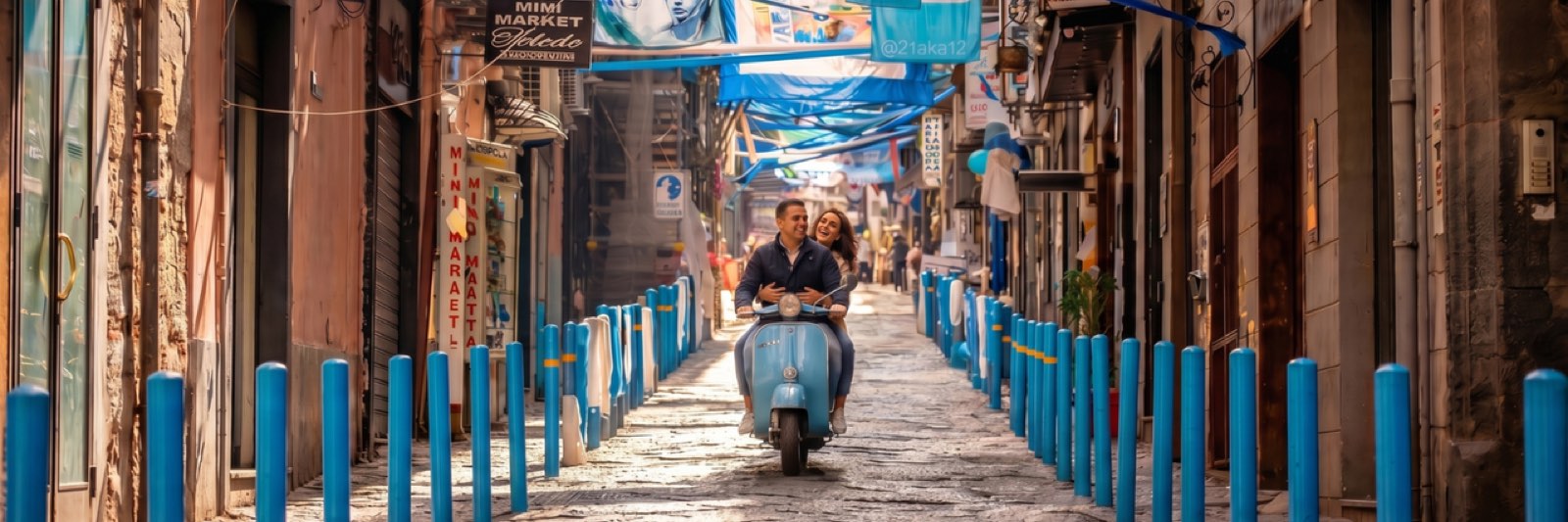
They were built in the sixteenth century to quarter the Spanish troops, and they have stayed exactly what they were: a grid of narrow lanes climbing uphill, washing strung from one balcony to the next, scooters, workshops, the Maradona mural with the shrine that grew up around it. They are very close to us, and easy to reach on foot.
Walk to the very top of any side street, without looking for anything in particular. What people come here for lies entirely off the marked routes.
lightbulbIn the evening you go where there are people and light, as in any dense quarter of any city. With that one rule, it is simply a walk.
directions_walk500 metres, five minutes on foot. It climbs, which means the way back is all downhill.
What you find there
UNESCO World Heritage
Two thousand five hundred years in a straight line
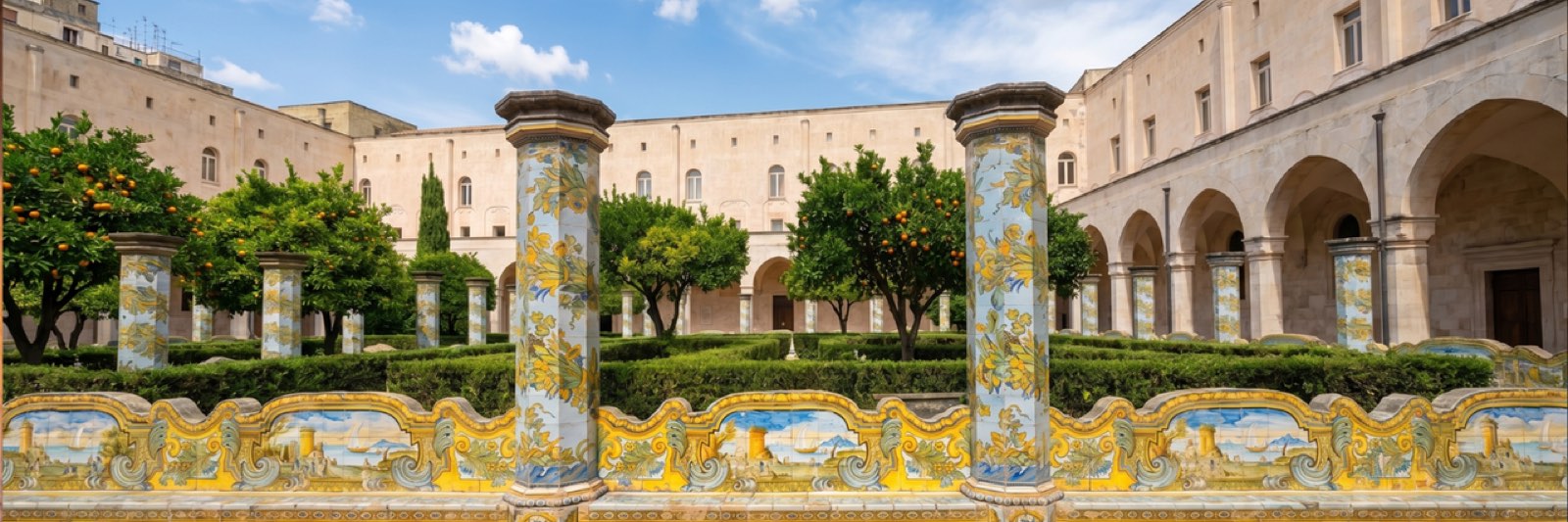
Spaccanapoli is not a street: it is the decumanus the Greeks drew straight, and that nobody has moved since. Along its sides stand the Veiled Christ, the majolica cloisters of Santa Chiara, the nativity workshops of San Gregorio Armeno, and the Roman city forty metres below the paving. It is a museum that has never once closed, because people live inside it.
Walk its whole length once without going into anything, and only then come back and choose. The first pass is there to give you the scale of the thing.
lightbulbIt is the quarter where you walk most and tire without noticing. Half a day, not an hour squeezed between two other plans.
directions_walkOne metro stop, or twenty minutes on foot through the Quartieri.
What you find there
The hill
The city's upper floor
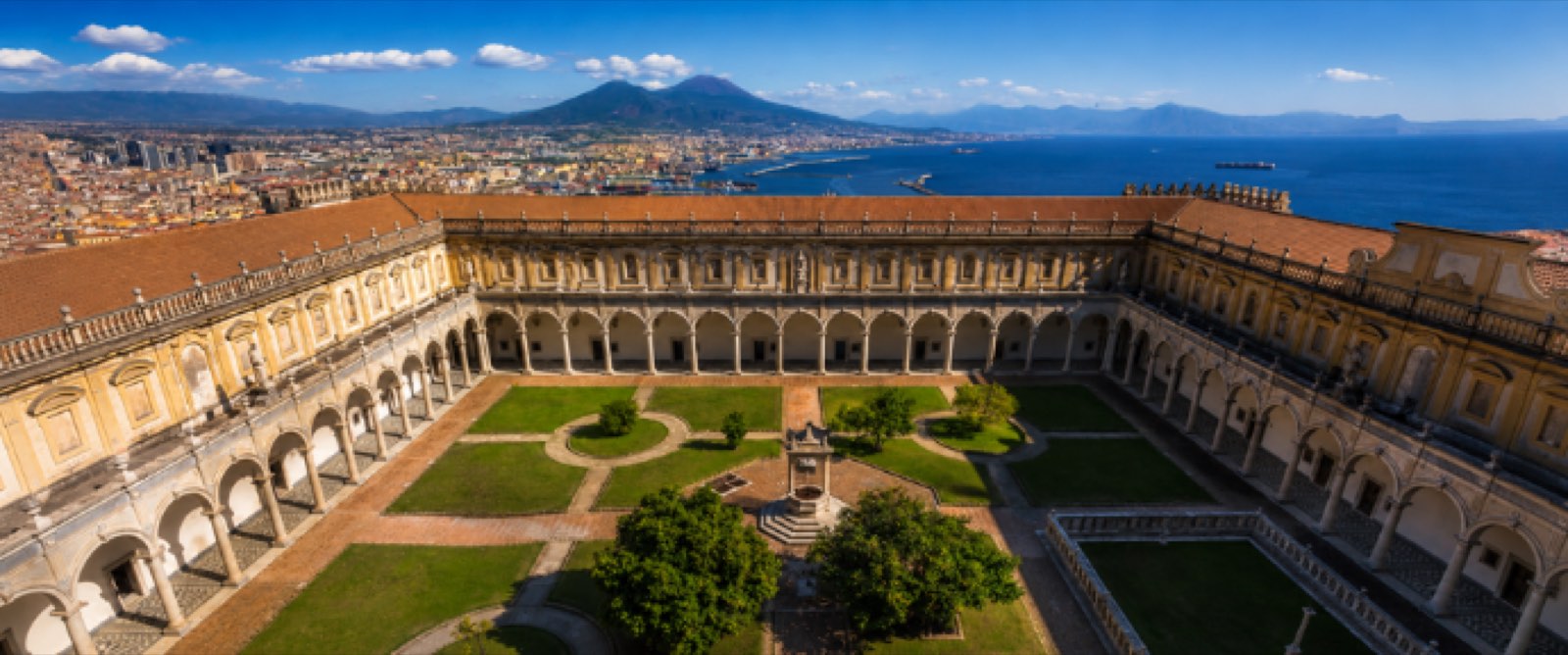
You get there by funicular, and in three minutes you pass from the noise to the quiet. Above are Castel Sant'Elmo and the Certosa, two of the great viewpoints over the city and the gulf, but also via Scarlatti with its shops and cafés, and the Floridiana dropping in terraces towards the sea. It is where Neapolitans go when they want to be left in peace.
Go up by funicular and walk down the Petraio, the stairway that runs between private gardens. The way up and the way back become two different journeys.
lightbulbAn excellent half day when the weather is uncertain: between the castle, the charterhouse and the museum you are under cover almost the whole time.
directions_walkThree funicular stops, or the climb up the Petraio on foot for those with legs and time.
What you find there
The quarter that took itself back
The city beneath the city, and the people who reopened it
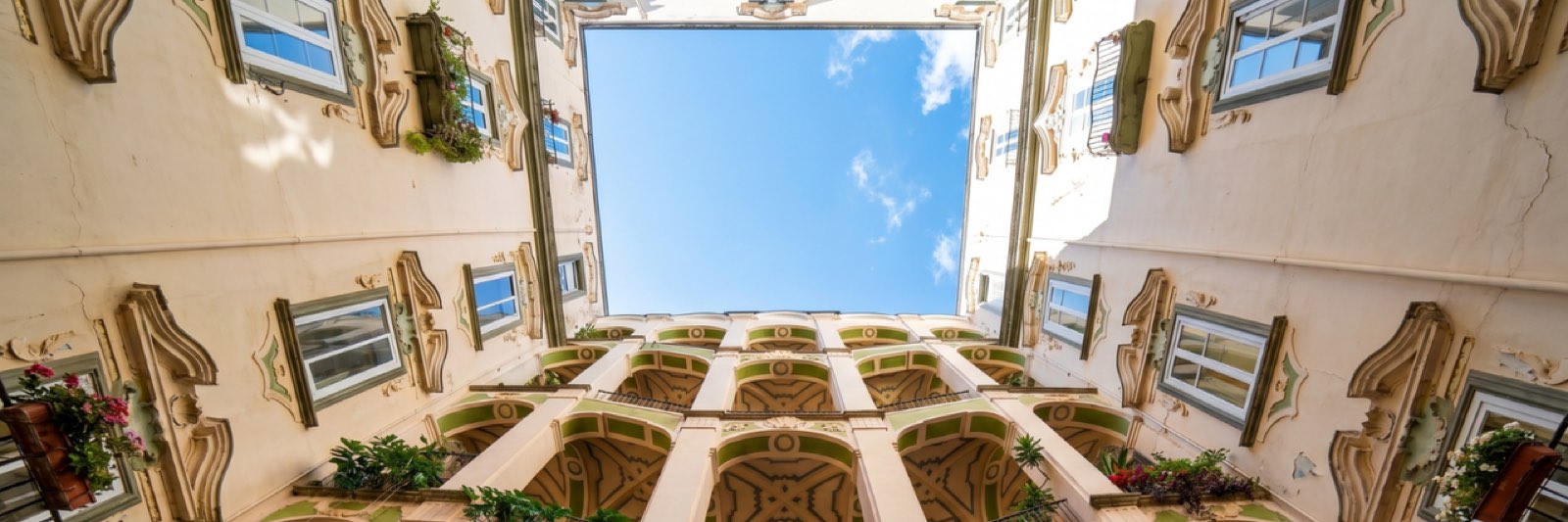
For decades this was the quarter people told you not to go to. Then a group of young locals began opening the catacombs of San Gennaro and guiding visits through them, and with that money they took on more young locals. Today you come for the catacombs, for the staircase of Palazzo dello Spagnolo, for Jago's sculptures inside a church, and for the Greek tombs under a courtyard.
Arrive on foot, coming down from the Sanità bridge, rather than by taxi to the door: the quarter makes sense from above, once you see how it sits wedged between the two hills.
lightbulbThe best things here are visited with a guide and in small groups. It is the quarter where it pays to arrive already organised.
directions_walkA little over a kilometre from the historic centre, on a moderate climb.
What you find there
Where the city ends
The balcony from which Naples is seen whole
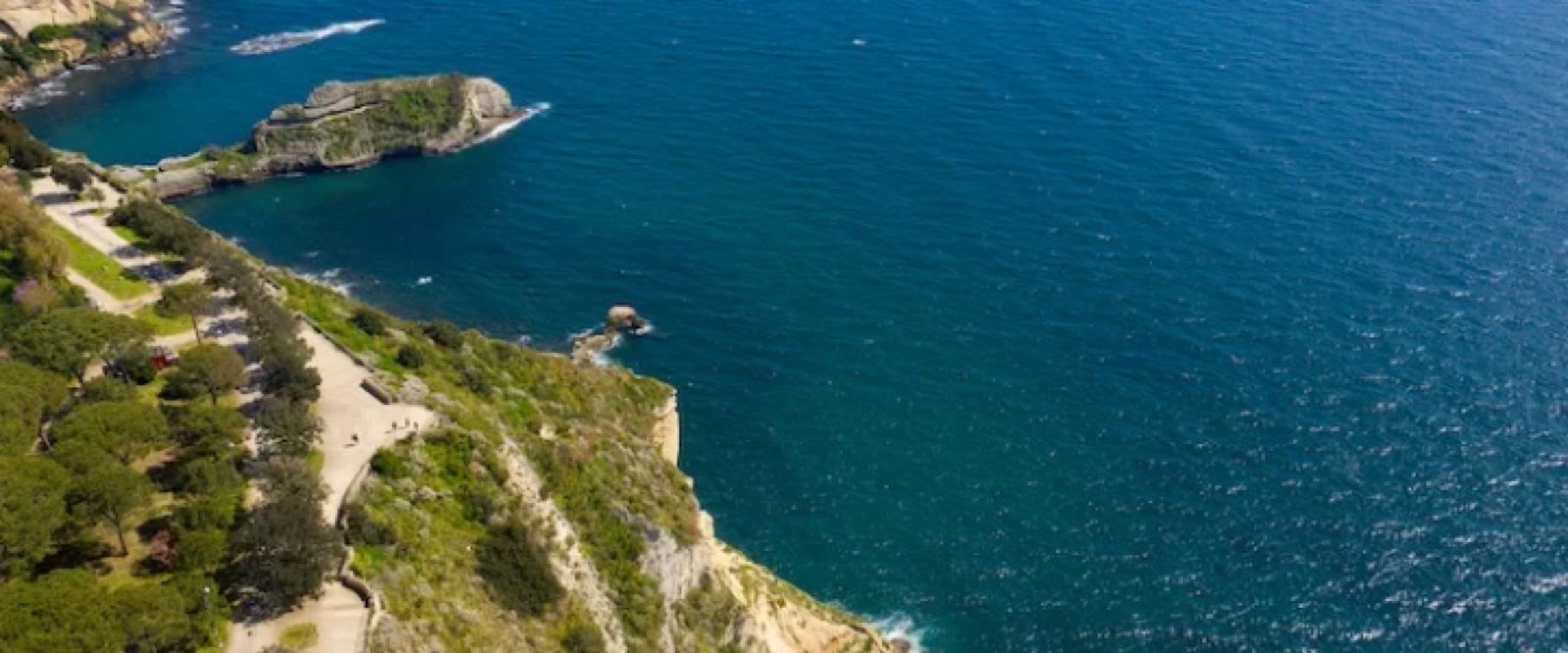
The name comes from the Greek and means something close to «respite from sorrow», which says everything. It is the hill that closes the gulf to the west: villas behind their gates, paths down to the water that come out among the rocks, a Roman villa lying underwater at the Gaiola, and the Parco Virgiliano at the top, from which Capri and Nisida fall into the same glance.
Go for the sunset and stay for dinner: it faces west, and it is one of the few places in Naples where the sun goes down into the sea instead of behind a hill.
lightbulbIt is the farthest place on this page, and the road is slow. It deserves an evening of its own, not an offcut between two museums.
directions_walkThe Posillipo road is long and full of bends: allow for the journey, in both directions.
What you find there
Follaky as your starting point
From Chiaia, you can discover a different Naples every day
Follaky sits where the elegant Naples of Chiaia meets the more theatrical side of the city that begins towards Toledo and the Quartieri Spagnoli. From here, the other neighbourhoods can be reached on foot, by metro or by funicular, without relying on a car.
location_on Of everything guests rate on Booking, location is what scores highest: 9.68 from 62 reviews.