The historic centre of Naples seen from above

Our selection

What to see in Naples, by choosing rather than collecting

Forty-nine places across Naples and the Gulf. Not a ranking and not a checklist: a selection to filter according to your interests, the time you have and the kind of day you want to experience.

› Naples

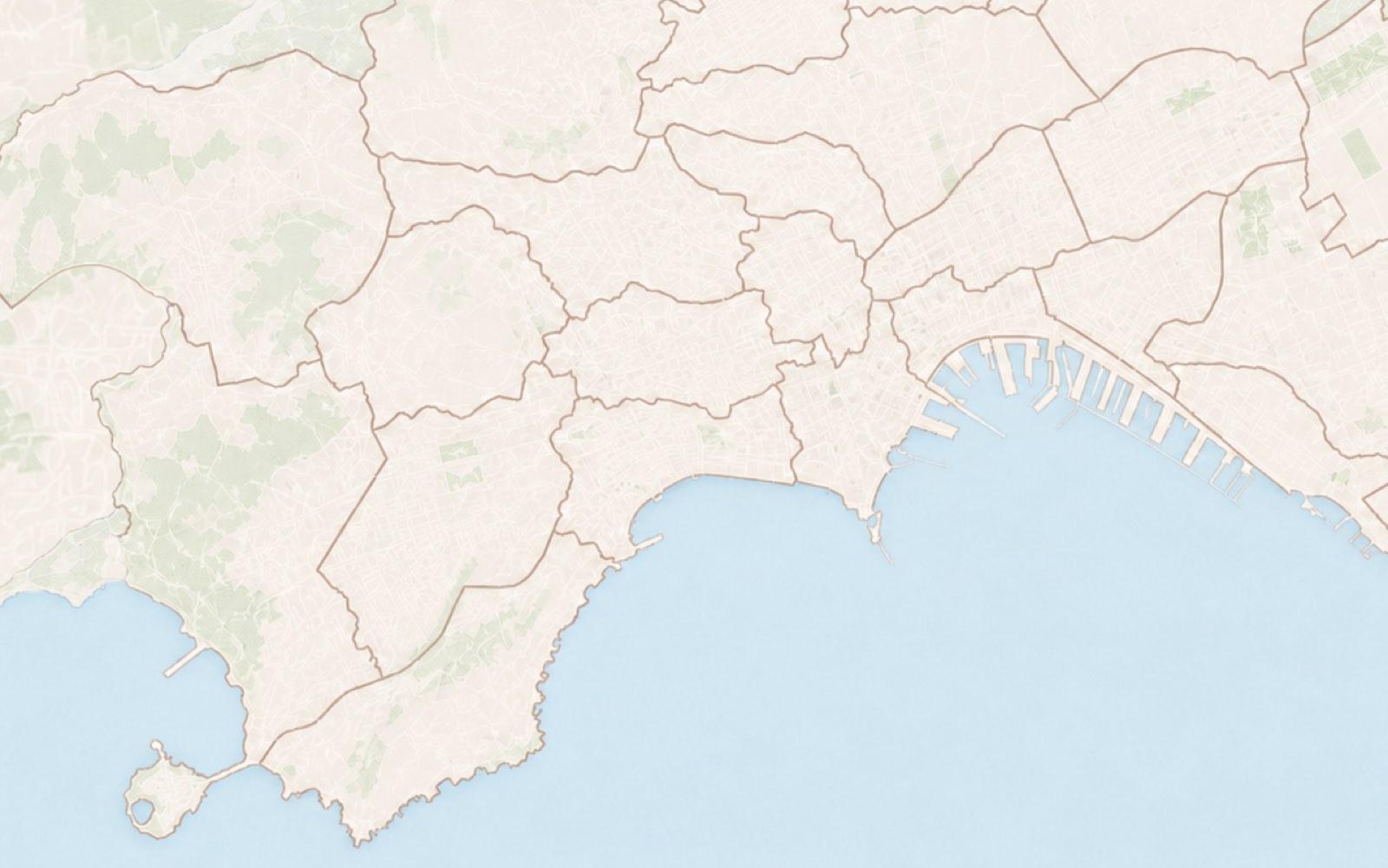
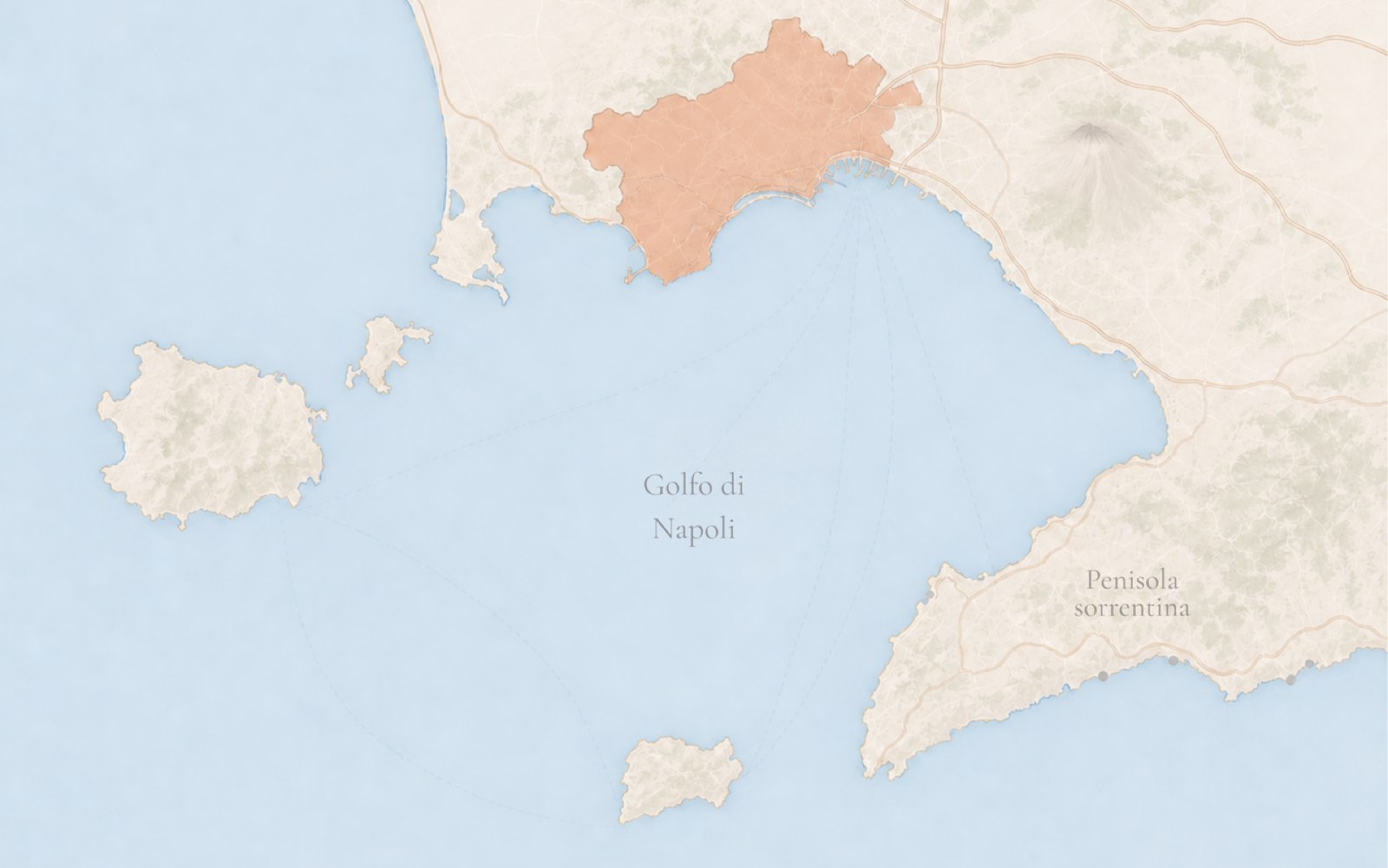
Illustrated map of Naples showing the recommended places

38 luoghi in città

49 places: choose the ones that speak to your journey

The veil nobody can explain — Cappella Sansevero, among the places recommended by the Follaky Secret Garden museumMuseum · Historic centre

The veil nobody can explain

Cappella Sansevero

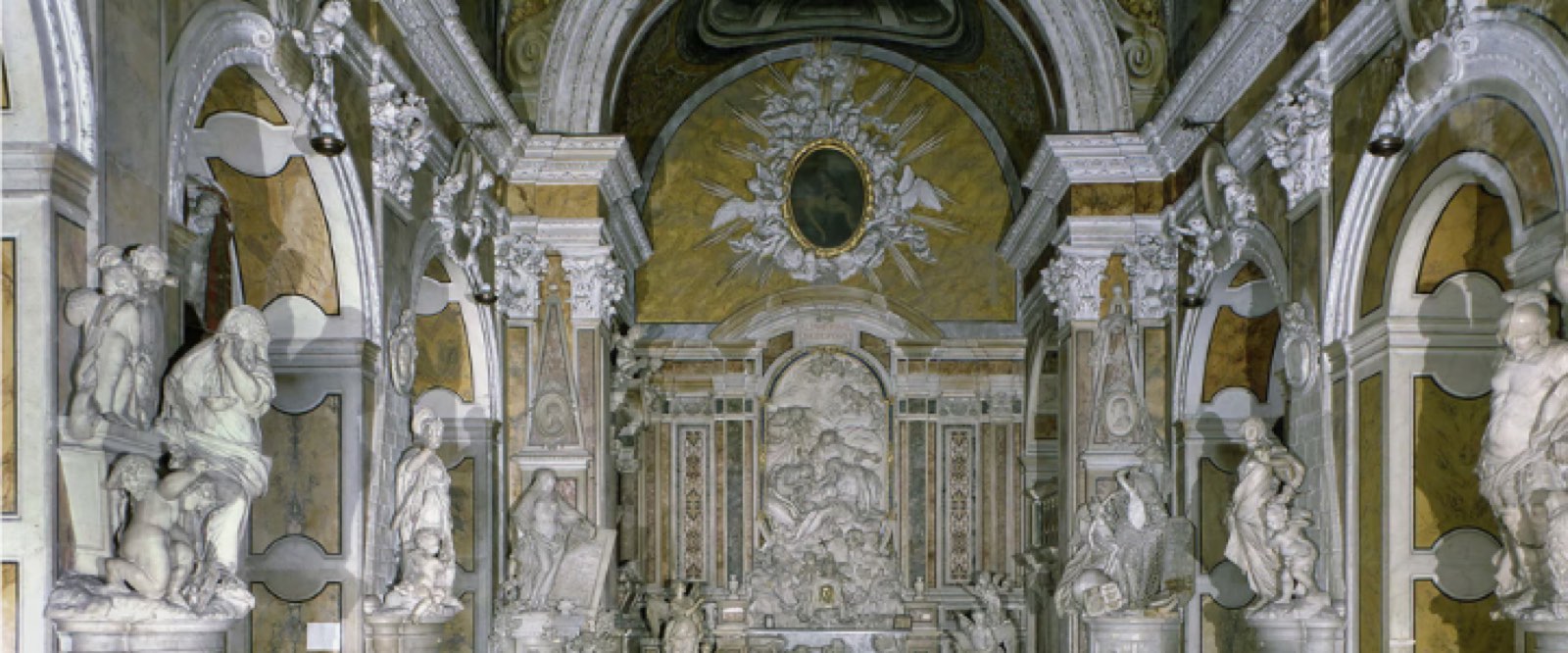
Sanmartino took a single block of marble and drew two things out of it at once: a man lying down, and the sheet that covers him. For two and a half centuries people have leaned sideways trying to see where the body ends and the veil begins, and nobody manages it. In the same nave the prince of Sansevero left his anatomical machines, two skeletons with the whole circulatory system intact: how he obtained them is still argued about.

Do not look at it head-on, the way everyone does. Walk slowly around it, and stop behind the head: that is where the marble stops being marble.

lightbulbIt is a chapel, not a museum hall: it is cramped and people speak quietly. Go when you have time to lose in it, not in a rush between two other stops.

mapOpen in Maps
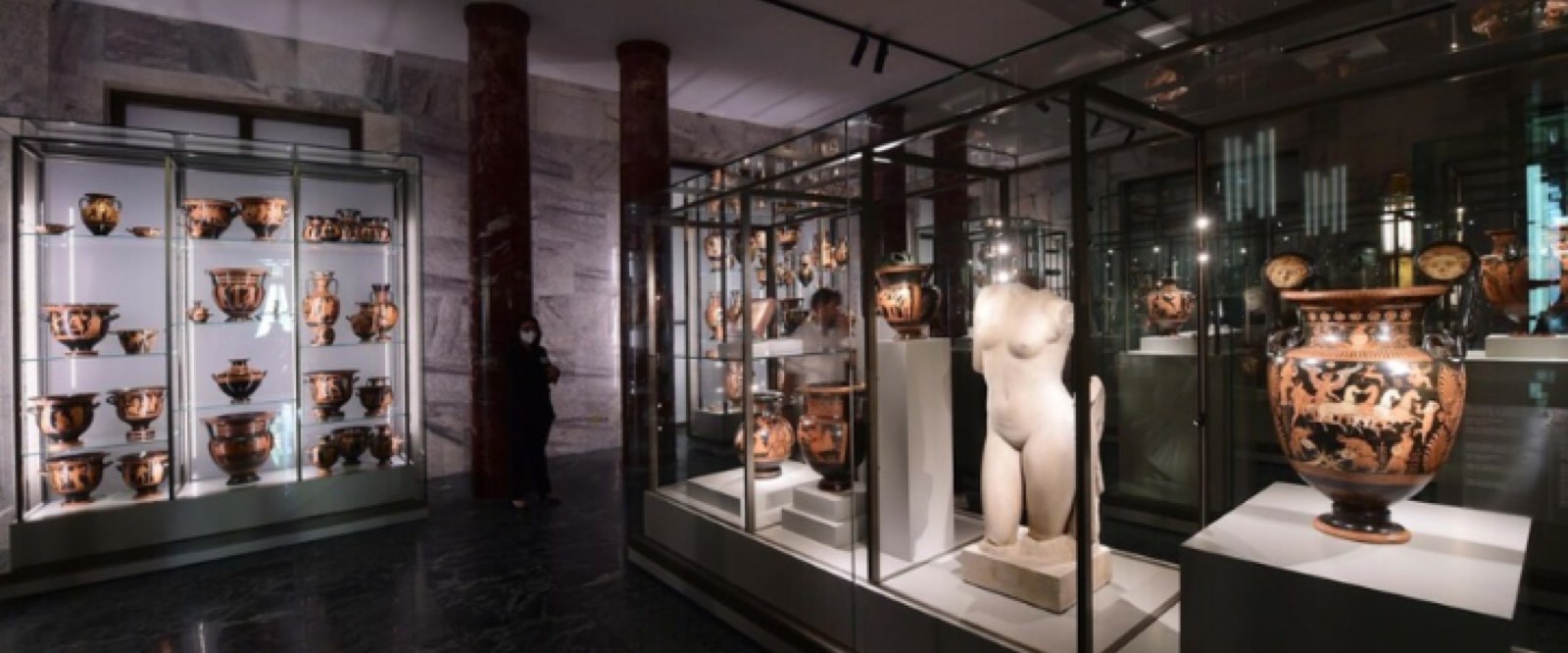
Everything Pompeii no longer has — Museo Archeologico Nazionale, among the places recommended by the Follaky Secret Garden museumMuseum · Historic centre

Everything Pompeii no longer has

Museo Archeologico Nazionale

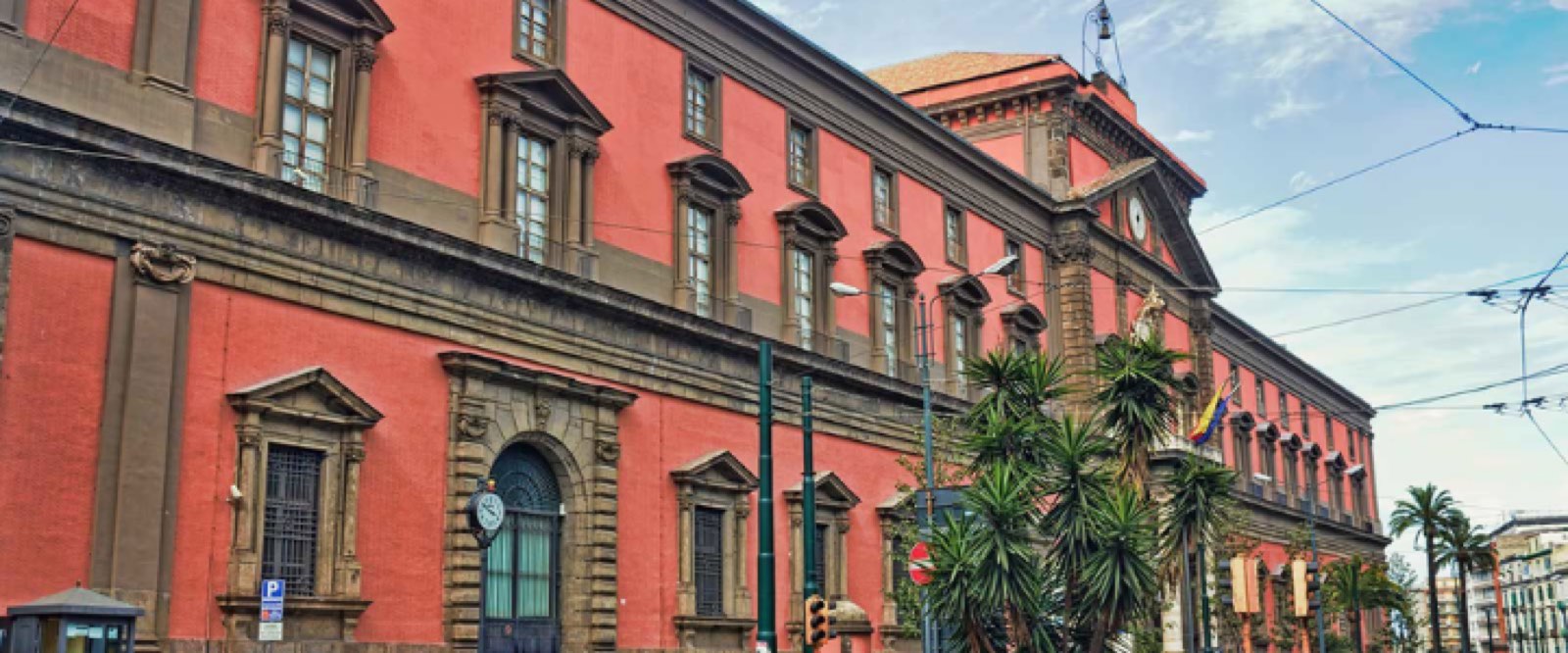
People coming back from Pompeii often describe the same disappointment: the houses are empty. That is true, and the mosaics, the bronzes and the frescoes taken off those walls are all here, in these spaces. The Farnese Bull is the largest sculptural group to have reached us from antiquity, carved from a single block.

Come here after Pompeii, not before. On the day of the excavations you look at the interiors; on the day of the museum you understand what was inside them, and the two halves put themselves back together.

lightbulbIt really is large. Better two short visits on two different days than one long one at the end of which you are no longer looking at anything.

mapOpen in Maps
The Caravaggio almost nobody looks for — Gallerie d'Italia, among the places recommended by the Follaky Secret Garden museumMuseum · Via Toledo

The Caravaggio almost nobody looks for

Gallerie d'Italia

Inside a palazzo on via Toledo, where people walk past without raising their eyes, hangs the last picture Caravaggio painted before he died: the Martyrdom of Saint Ursula. Around it, four centuries of Neapolitan painting and the views that Grand Tour travellers carried home instead of photographs.

Look for Saint Ursula first, while your eye is still fresh. Look at the face of the man behind her, craning his neck to see: that is the self-portrait.

lightbulbIt is one of the few beautiful things in Naples you visit with no queue and no noise.

mapOpen in Maps
Contemporary marble in a church of the Sanità — Jago Museum, among the places recommended by the Follaky Secret Garden museumMuseum · Rione Sanità

Contemporary marble in a church of the Sanità

Jago Museum

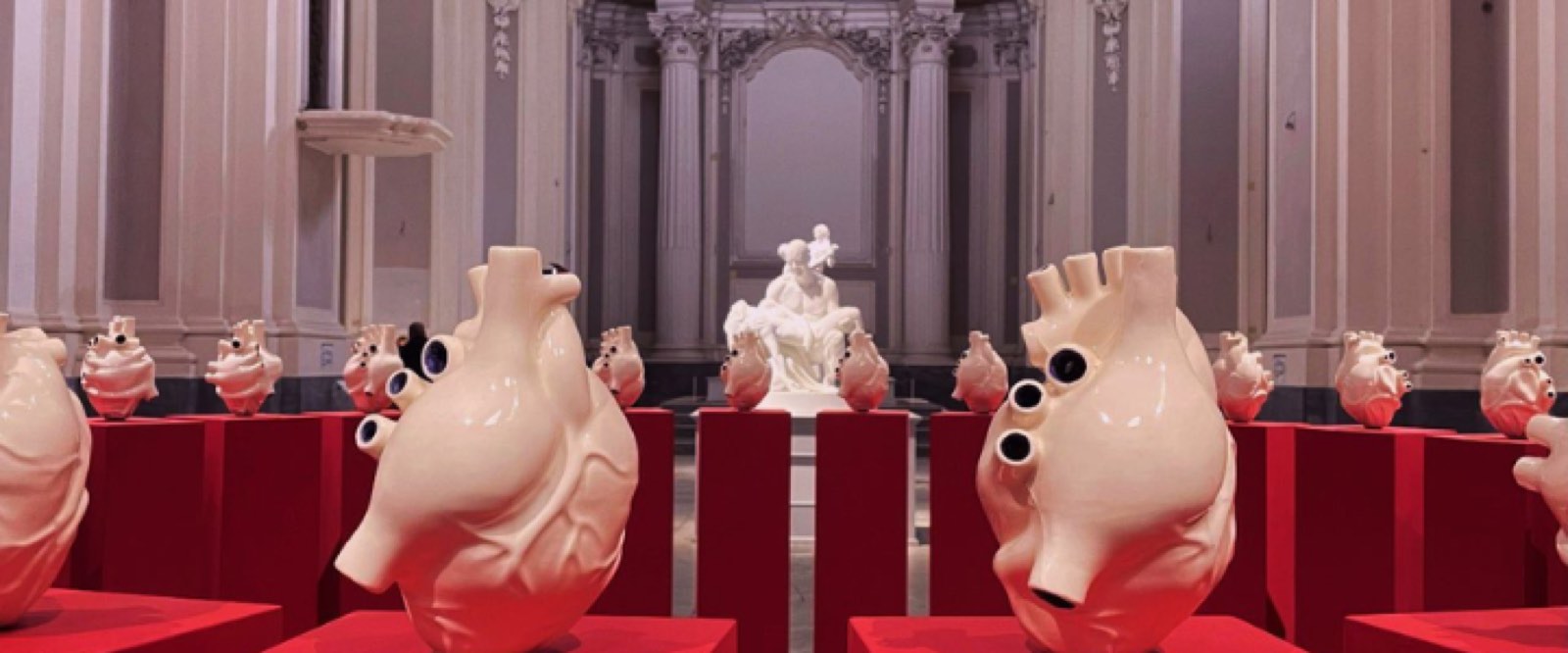
A sculptor working today handles marble with the technique of five hundred years ago and draws out of it a curled-up newborn, an old man lying down, a body covered by a sheet of stone. He chose to be in the Sanità, in a church of the quarter, and not in a gallery in the centre.

Do it on the same day as the Cappella Sansevero. They are the same gesture two hundred and fifty years apart, and set side by side they explain each other.

lightbulbThe quarter around it is half the visit: arrive on foot from above, walking down, and not by taxi to the door.

mapOpen in Maps
The art of right now, two steps from home — Palazzo delle Arti, among the places recommended by the Follaky Secret Garden museumMuseum · Chiaia

The art of right now, two steps from home

Palazzo delle Arti

The PAN occupies an eighteenth-century palazzo on via dei Mille and holds exhibitions of photography, contemporary art, comics and design that change constantly. It is where Neapolitans go to see what is being made now, not what was made three centuries ago.

Check what is on that same morning: it is very close, and a good exhibition is worth an afternoon even if it was not in the plan.

lightbulbIt is the most convenient of them all from here: you reach it on a walk, with no transport at all.

mapOpen in Maps
The Anton Dohrn aquarium, and the original tanks are still there — Acquario e DaDoM, among the places recommended by the Follaky Secret Garden museumMuseum · Villa Comunale

The Anton Dohrn aquarium, and the original tanks are still there

Acquario e DaDoM

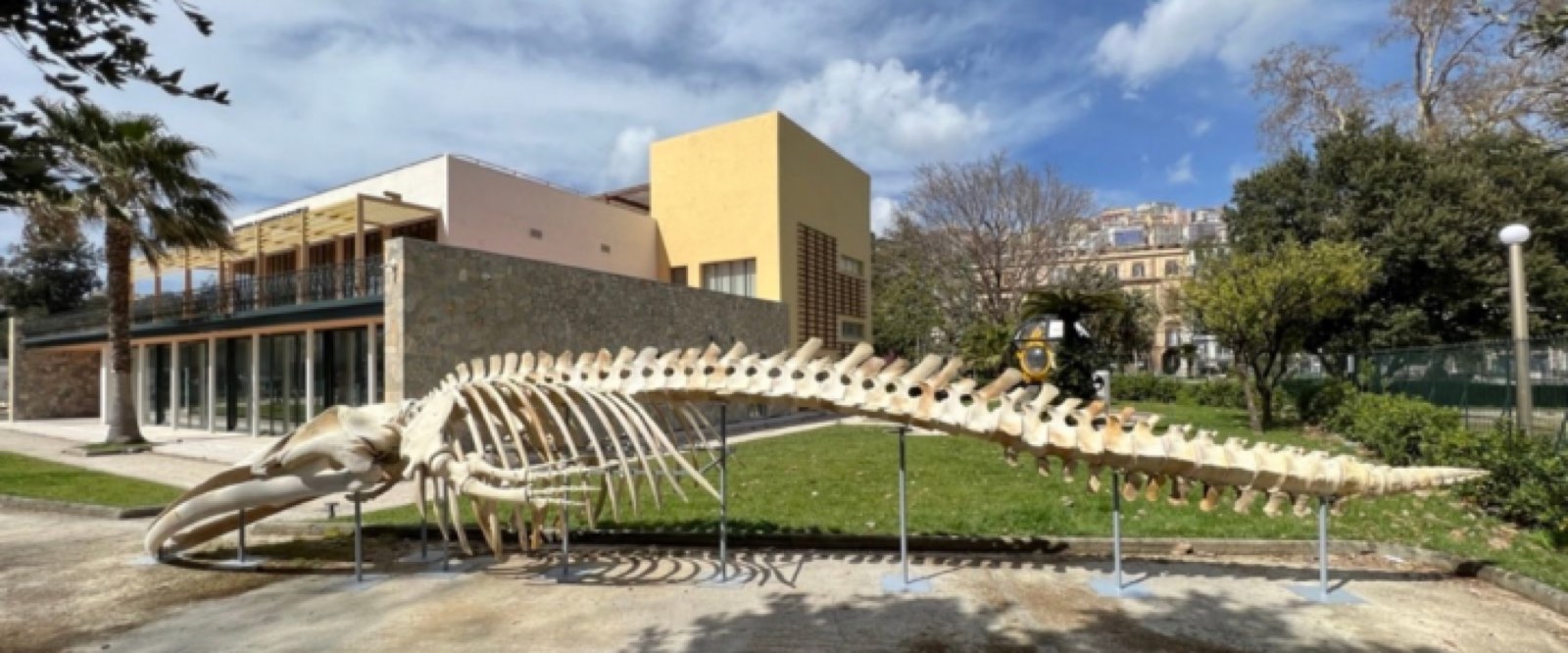
It was built in the nineteenth century inside the Villa Comunale by a German naturalist, and it shows only what lives in the gulf right out there: no tropical fish, no stage sets. Beside it, the Darwin-Dohrn tells the story of the sea as the first people who tried to understand it studied it.

Look at the masonry tanks, not only at the fish. They are the original ones: you are seeing how an aquarium was imagined before aquariums existed.

lightbulbSmall, and quite right that it should be: it pairs with a walk in the Villa without taking the afternoon away.

mapOpen in Maps
Where everything is meant to be touched — Città della Scienza, among the places recommended by the Follaky Secret Garden museumMuseum · Bagnoli

Where everything is meant to be touched

Città della Scienza

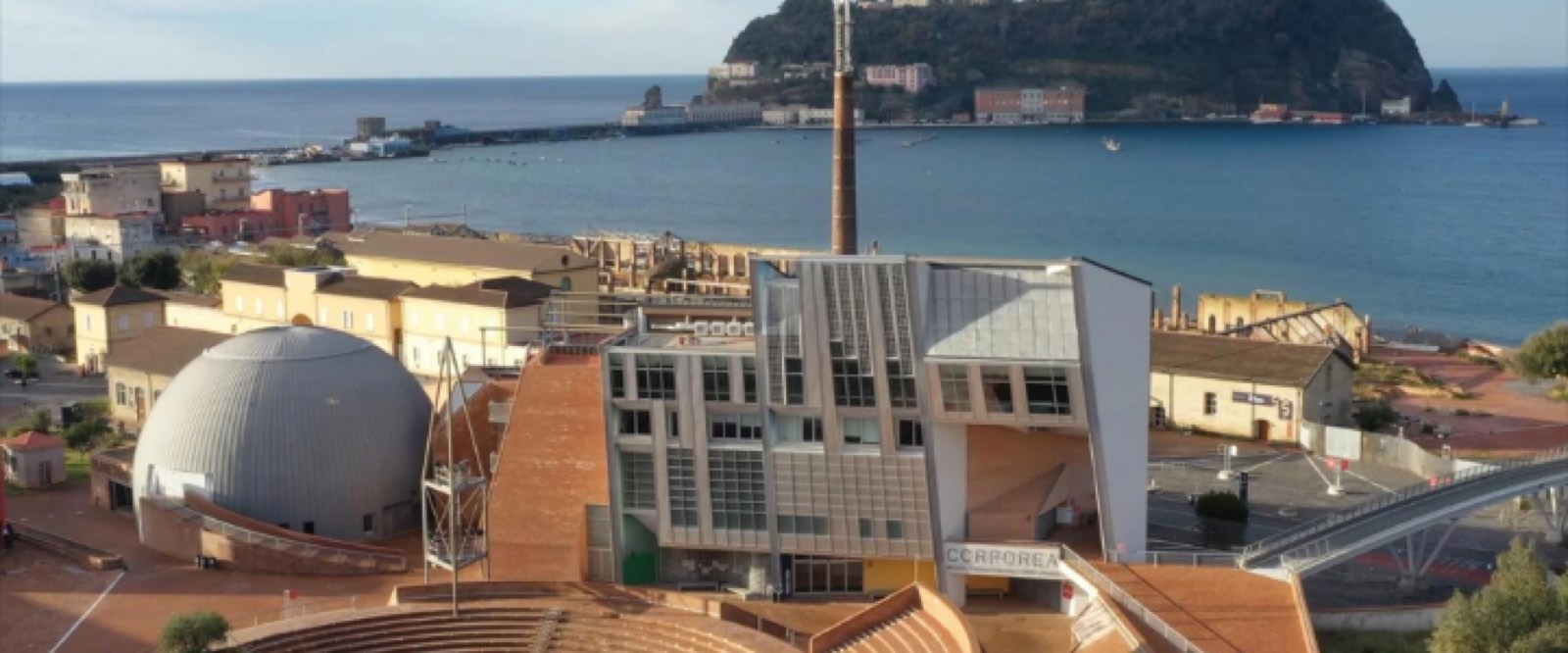
It stands where the Bagnoli steelworks used to be, on the sea, and it has taken the place of the chimneys with a planetarium and spaces where the experiments are done with your hands. It is the museum Neapolitans take their children to, and the one adults leave happier than they are.

Take the planetarium: it is one of the largest in Italy, and half an hour in there is worth the whole crossing of the city.

lightbulbIt is on the far side from everything else. It deserves half a day of its own, not an offcut.

mapOpen in Maps
The cathedral, and the chapel that is worth more than the cathedral — Duomo di Santa Maria Assunta, among the places recommended by the Follaky Secret Garden churchChurch · Historic centre

The cathedral, and the chapel that is worth more than the cathedral

Duomo di Santa Maria Assunta

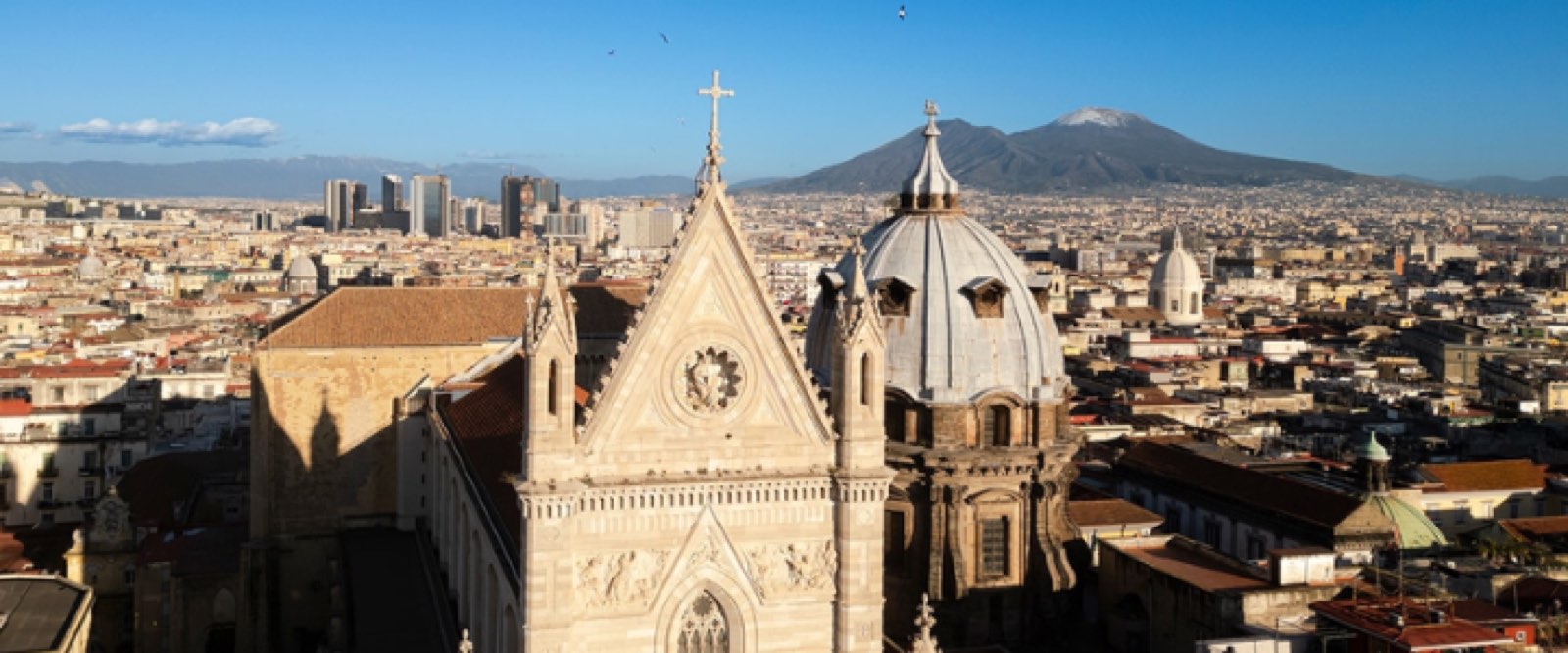
The Duomo keeps the ampoules of San Gennaro's blood, and three times a year the city stops to see whether it liquefies. But the thing almost nobody looks for is the Treasure chapel, off to one side: the collection of goldwork Neapolitans have given their saint over seven centuries, and that no war and no government has ever managed to carry off.

Go down into the early Christian basilica under the floor as well. It is the previous church, left there underneath: two cathedrals one on top of the other, and you pass from one to the other down a staircase.

lightbulbIt is a working place of worship. If you arrive during a service you can still go in: you stay at the back and you keep quiet.

mapOpen in Maps
The façade somebody signed in code — Chiesa del Gesù Nuovo, among the places recommended by the Follaky Secret Garden churchChurch · Historic centre

The façade somebody signed in code

Chiesa del Gesù Nuovo

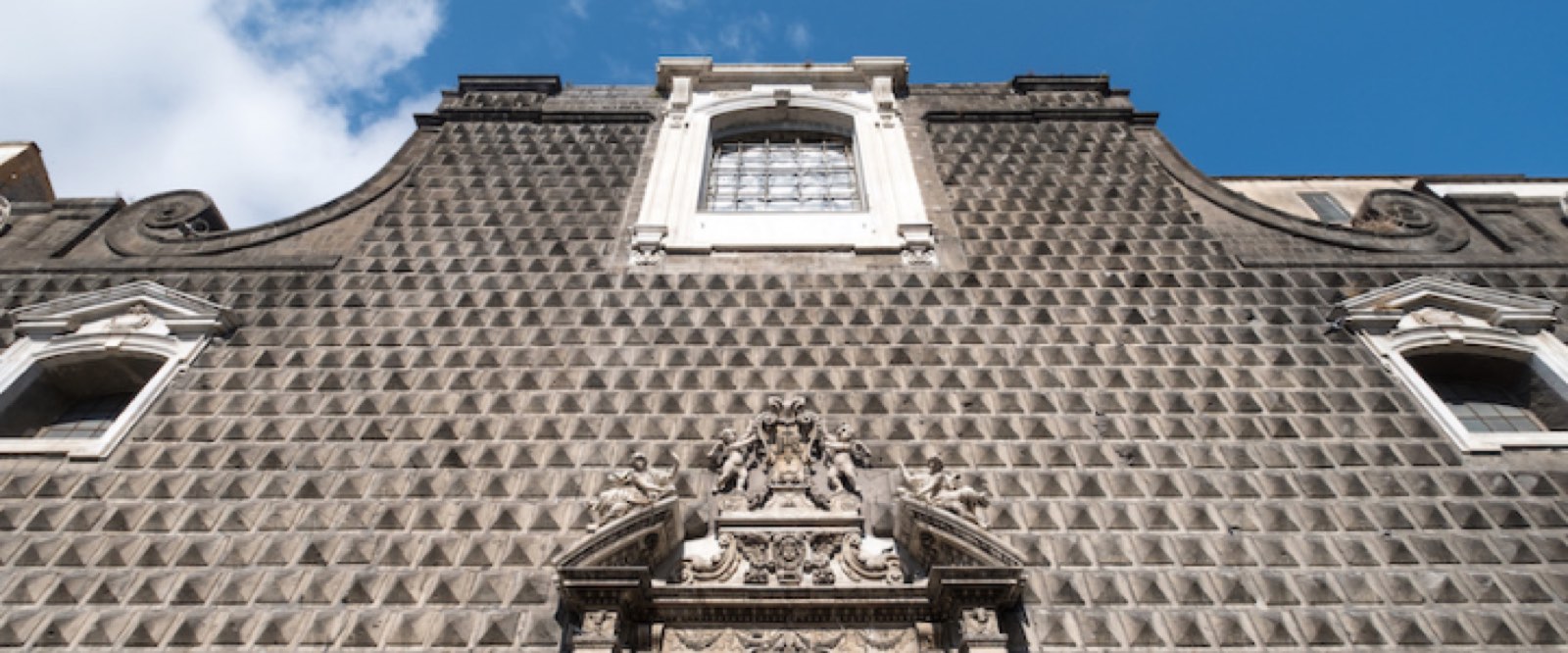
From outside it is a wall of diamond-point stones, dark and closed, which was the side of a palazzo before it became a church. Carved into those stones are marks nobody has ever fully explained: some read them as stonemasons' signatures, some as a musical score. Inside, with no warning, it is all gold and coloured marble.

Stop outside for thirty seconds before you go in, and look for the marks on the stones. Then go in: the jump between the two is the reason people come.

lightbulbIt is on the same square as Santa Chiara. The two are done together, and each is the opposite of the other.

mapOpen in Maps
The church that turns its back on its own square — San Domenico Maggiore, among the places recommended by the Follaky Secret Garden churchChurch · Historic centre

The church that turns its back on its own square

San Domenico Maggiore

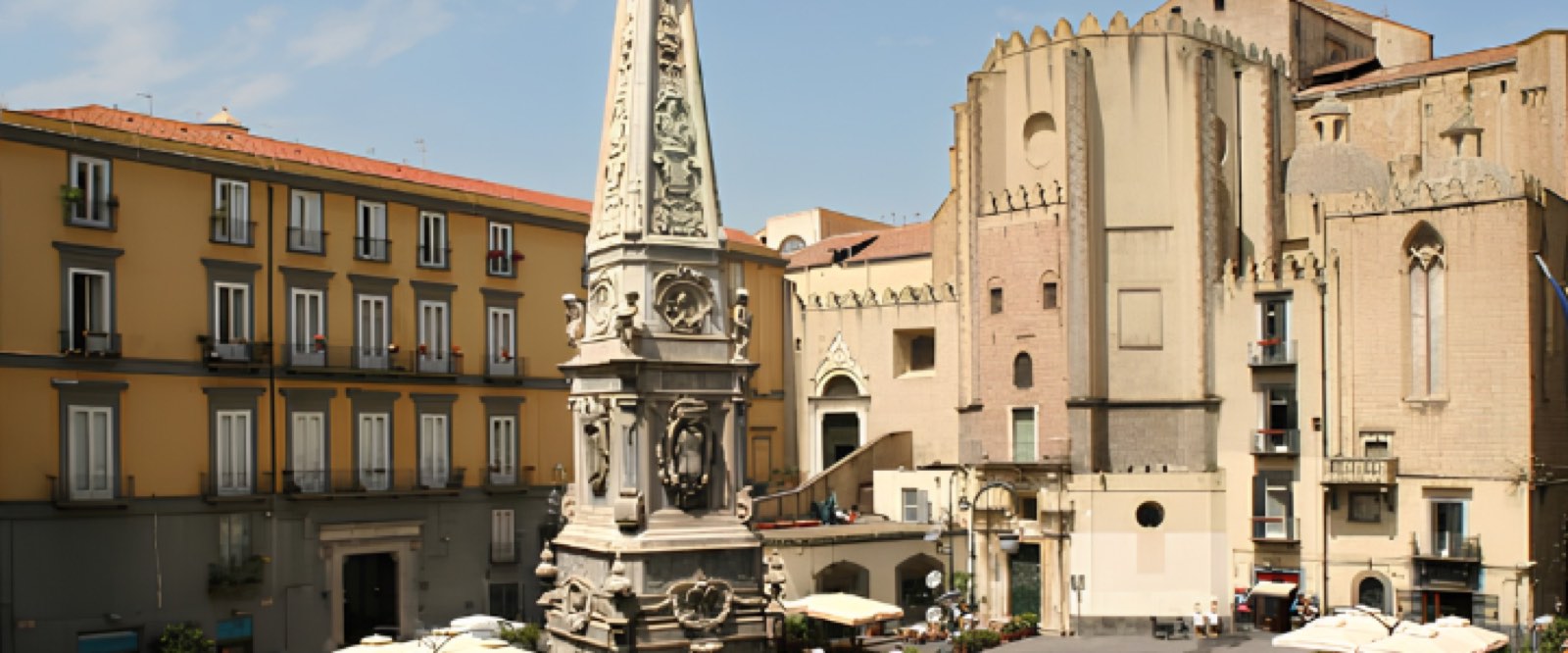
Thomas Aquinas taught here, and here, centuries later, Giordano Bruno was tried. The church has entered the fabric of the city crookedly: the apse faces the square and the entrance is hidden round the side, as if the historic centre had grown up around it. Which is exactly what happened.

Sit down on the square, not only inside the church. It is the salon of the old centre: one of the few open spaces where you can stop without a scooter going past your elbow.

lightbulbIt is in the middle of Spaccanapoli: you end up there naturally while walking, there is no need to plan it.

mapOpen in Maps
The least likely silence in the city — Basilica di Santa Chiara, among the places recommended by the Follaky Secret Garden churchChurch · Historic centre

The least likely silence in the city

Basilica di Santa Chiara

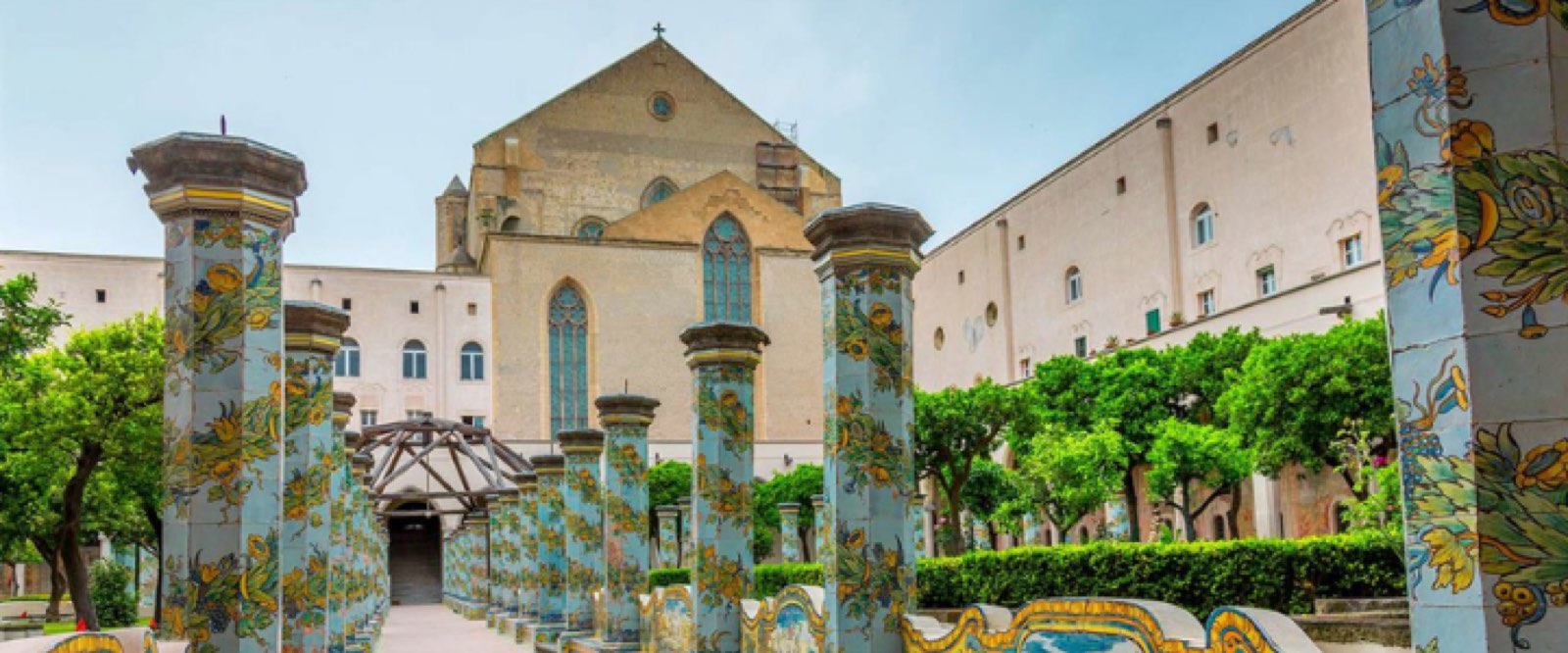
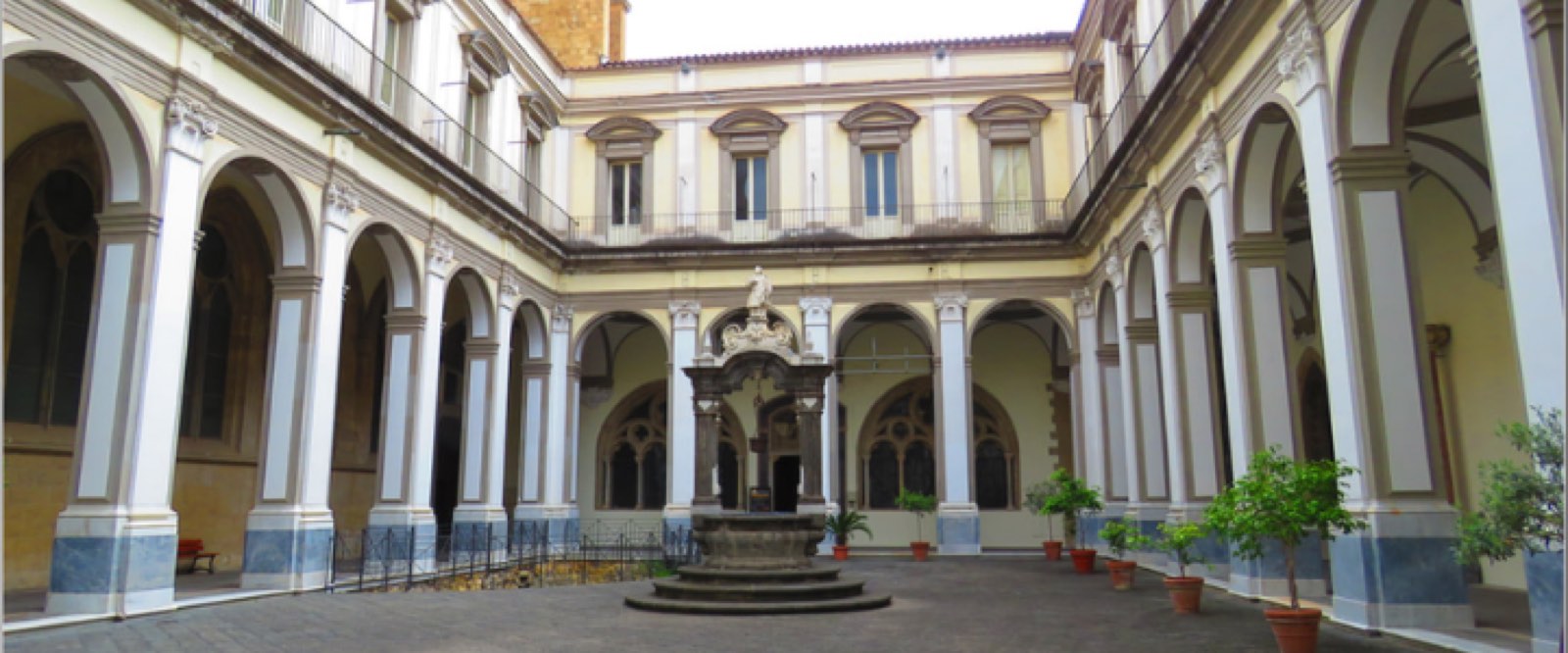
You pay to go into a cloister, which sounds absurd until you are inside it. The pillars and the benches are covered in eighteenth-century majolica painted by hand one tile at a time: lemons, vines, hunting scenes, people dancing. And the noise of the historic centre, deafening two metres away, does not get in here.

Sit on one of the majolica benches and stay long enough to think about nothing. It is the only place in the centre where Naples stops for a few minutes.

lightbulbThe basilica is free, the cloister is not, and it is the cloister you have come to see.

mapOpen in Maps
The staircase that climbs by winding around itself — Palazzo Mannajuolo, among the places recommended by the Follaky Secret Garden castleMonument · Chiaia

The staircase that climbs by winding around itself

Palazzo Mannajuolo

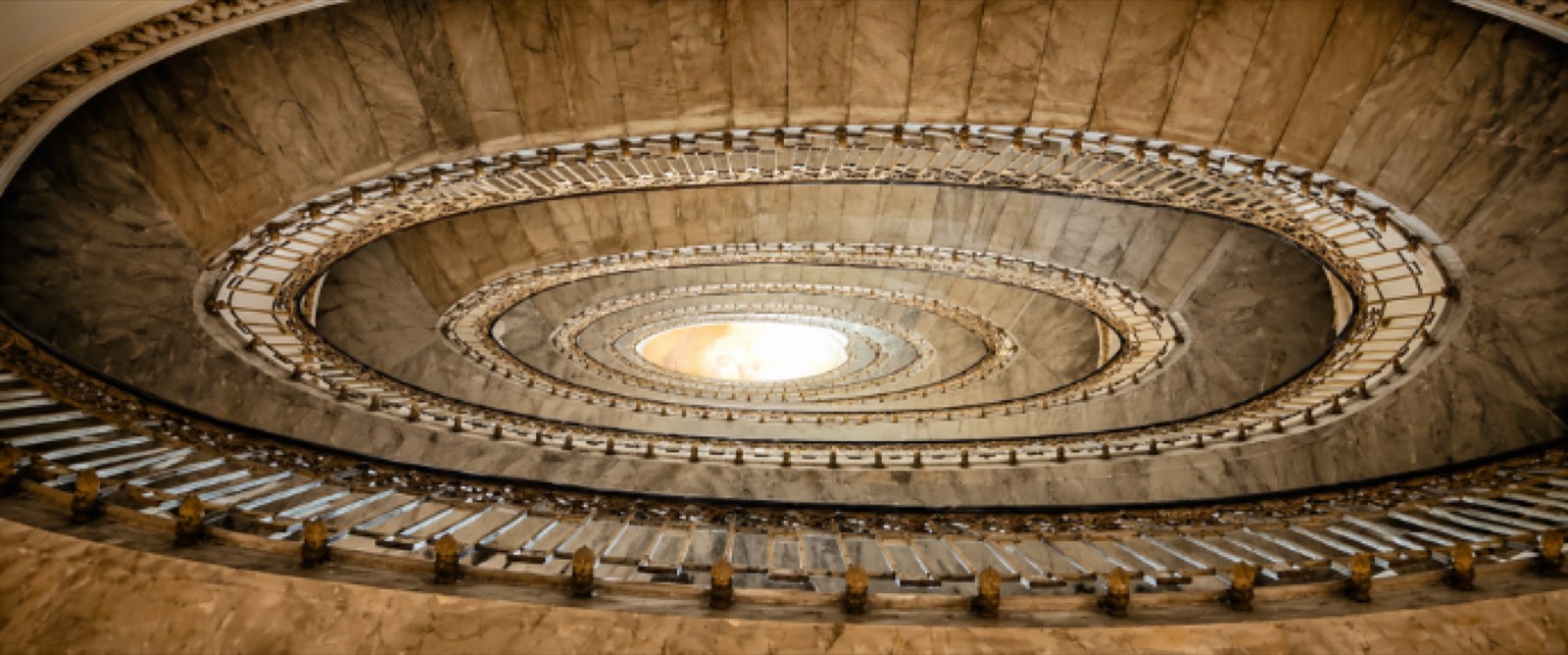
In an art nouveau building on via Filangieri, behind a street door that looks like every other one, there is an elliptical marble staircase that rises without a central pillar, wrapping itself around the empty air. It has become one of the most photographed images of the city, and it stands in a block of flats where people actually live.

Look at it from below, straight up, with your back against the wall: from there the spiral closes like a shell. It is the photograph you have already seen without knowing where it was taken.

lightbulbIt is somebody's home, not a monument. You go in if the street door is open, you speak quietly and you do not go up to the flats.

mapOpen in Maps
When Naples was a capital, and you could tell — Palazzo Reale, among the places recommended by the Follaky Secret Garden castleMonument · Plebiscito

When Naples was a capital, and you could tell

Palazzo Reale

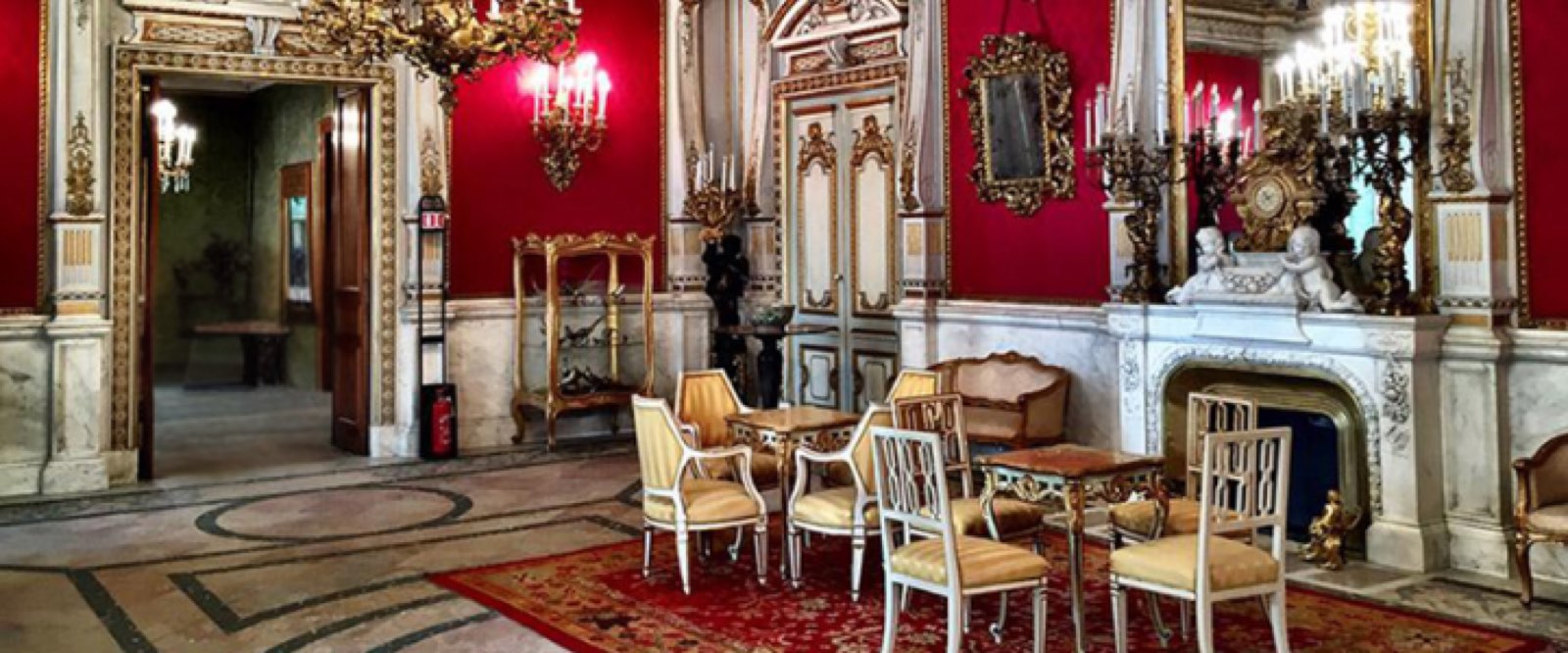
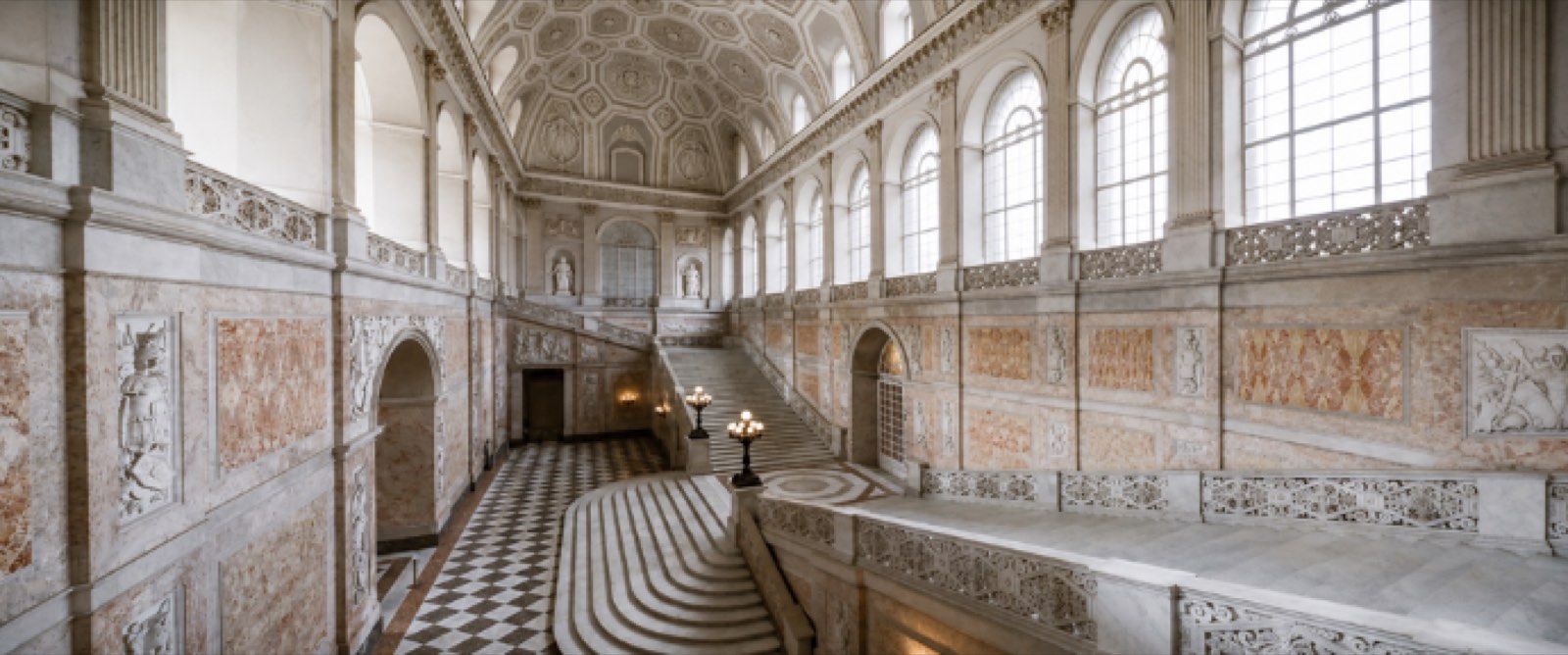
For two centuries there was a real court here, with ambassadors, a private theatre and a series of ceremonial halls. The marble staircase of honour has been copied across half of Europe, and from the hanging gardens you look at the gulf from the height a king looked at it.

Do not stop at the apartments: go out onto the hanging garden. It is the view that explains why the palace was built exactly there and nowhere else.

lightbulbIt is attached to the Plebiscito, the San Carlo and the Galleria: four things within two hundred metres, and the best-spent quarter of an hour in the city.

mapOpen in Maps
A square with a glass roof — Galleria Umberto I, among the places recommended by the Follaky Secret Garden castleMonument · Plebiscito

A square with a glass roof

Galleria Umberto I

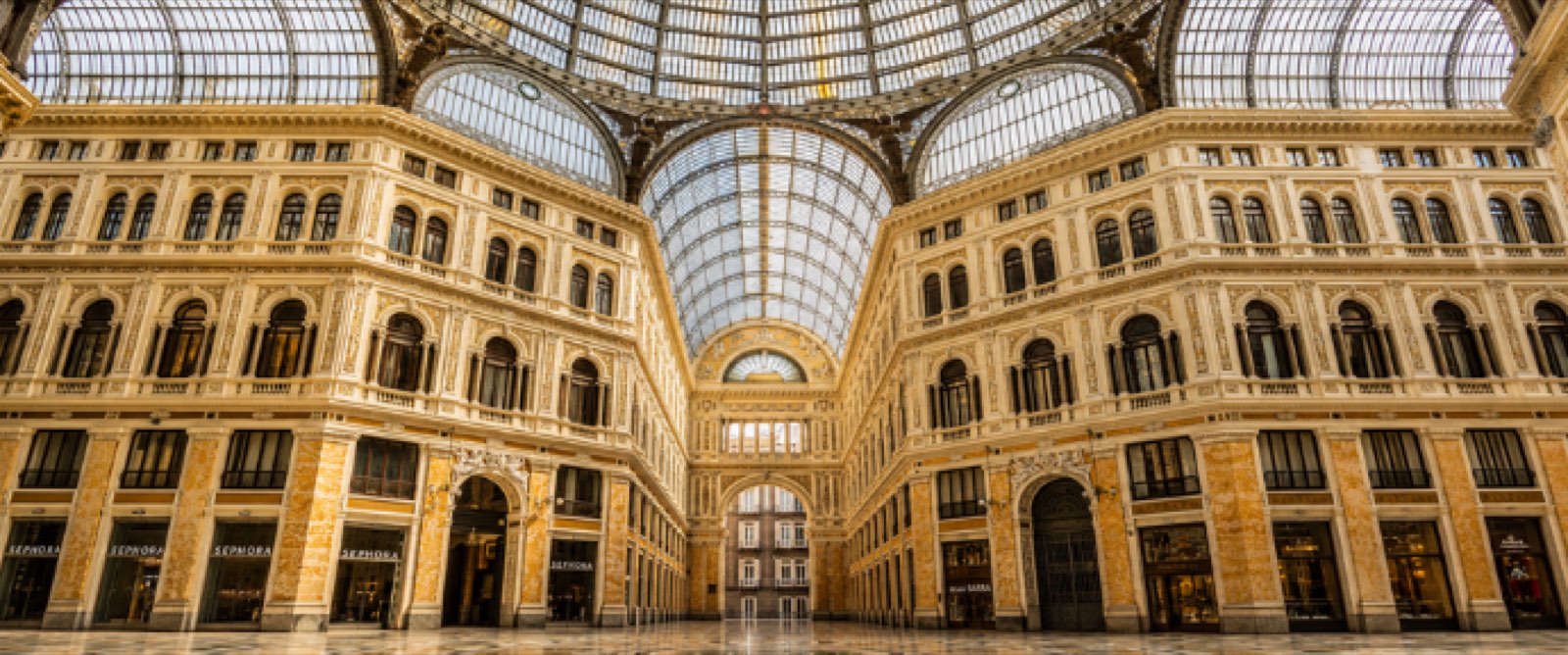
It was built at the end of the nineteenth century when Naples decided to remake its centre, and the dome of glass and iron stands thirty-four metres above the heads of the people passing. Underfoot there is a mosaic with the signs of the zodiac, and people walk over it all day without noticing.

Find your own sign on the floor. They say putting your heel on it brings luck: it is a very recent superstition, and everyone does it anyway.

lightbulbYou pass through on your way to the San Carlo or the Plebiscito. Look up while you are passing: that is all there is to it.

mapOpen in Maps
The emptiness no city can afford — Piazza del Plebiscito, among the places recommended by the Follaky Secret Garden castleMonument · Plebiscito

The emptiness no city can afford

Piazza del Plebiscito

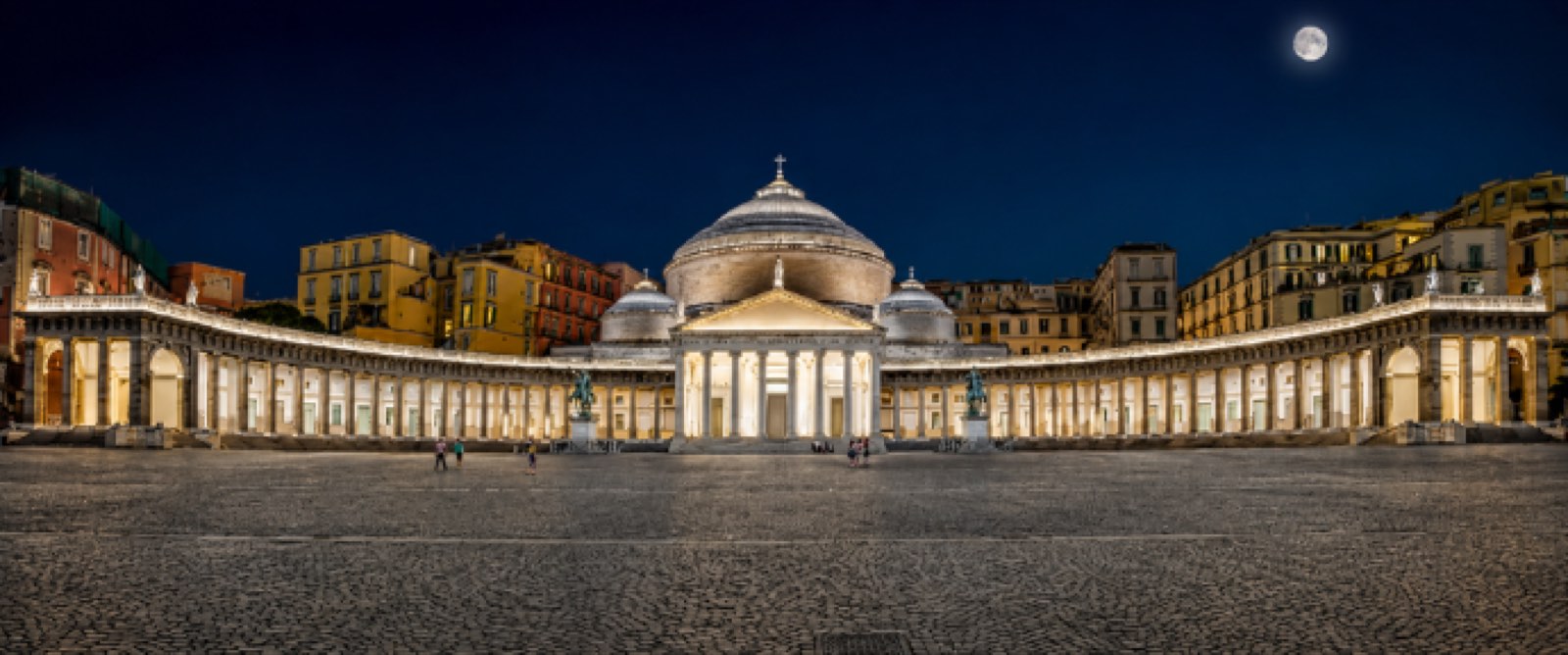
On one side the colonnade of San Francesco di Paola, on the other the front of the Royal Palace, and in between an enormous clear space: in a city built as tightly as this one, it is almost a scandal. For years it was a car park, then somebody had the sense to empty it.

Try the game of the two horses: you stand with your back to the palace, close your eyes and walk straight between the two statues. Almost nobody manages it, and Neapolitans still play it today.

lightbulbFrom here you walk back to our door in a few minutes. It is the right square for ending an evening, not for starting one.

mapOpen in Maps
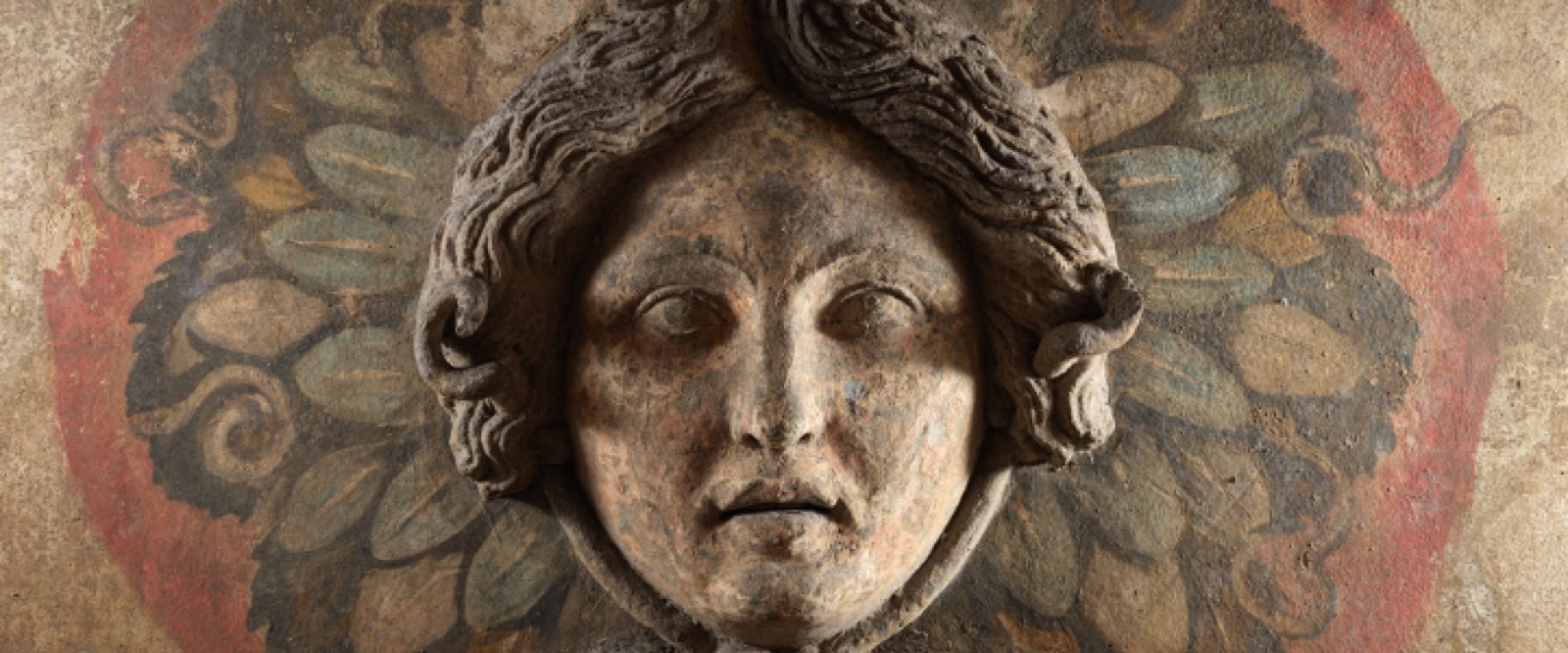
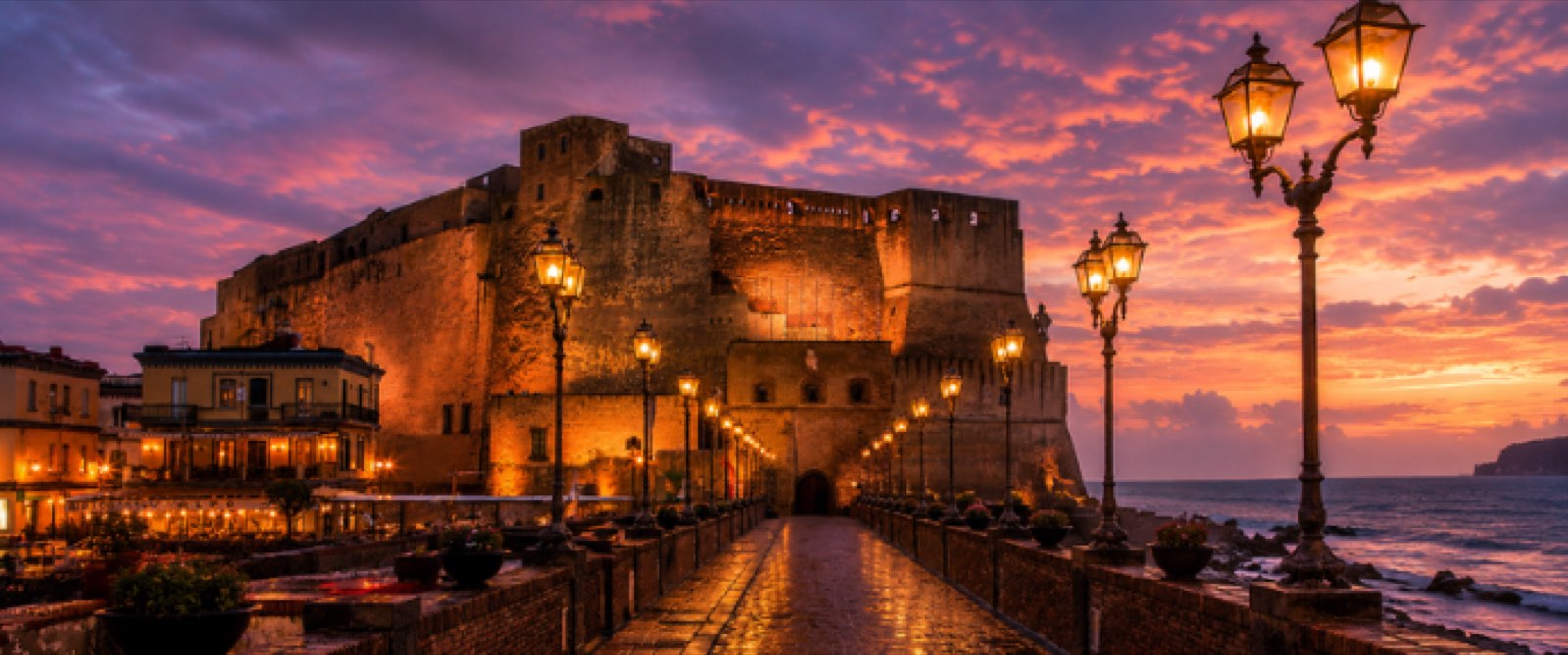
The castle set on the rock where the city was born — Castel dell'Ovo, among the places recommended by the Follaky Secret Garden castleMonument · Seafront

The castle set on the rock where the city was born

Castel dell'Ovo

The Greeks from Cumae landed on this islet, and Naples began here. The name comes from the legend of the egg Virgil is said to have walled into the foundations: as long as the egg holds, the city holds. At its foot the Borgo Marinari is a little harbour of boats and tables.

Climb to the terrace at the top, if it is open: from up there you see the whole gulf at once, from Vesuvius to Posillipo, and it is the right place to understand where you are.

lightbulbAt sunset it is full of people, and it is full of people for a good reason. Go anyway.

mapOpen in Maps
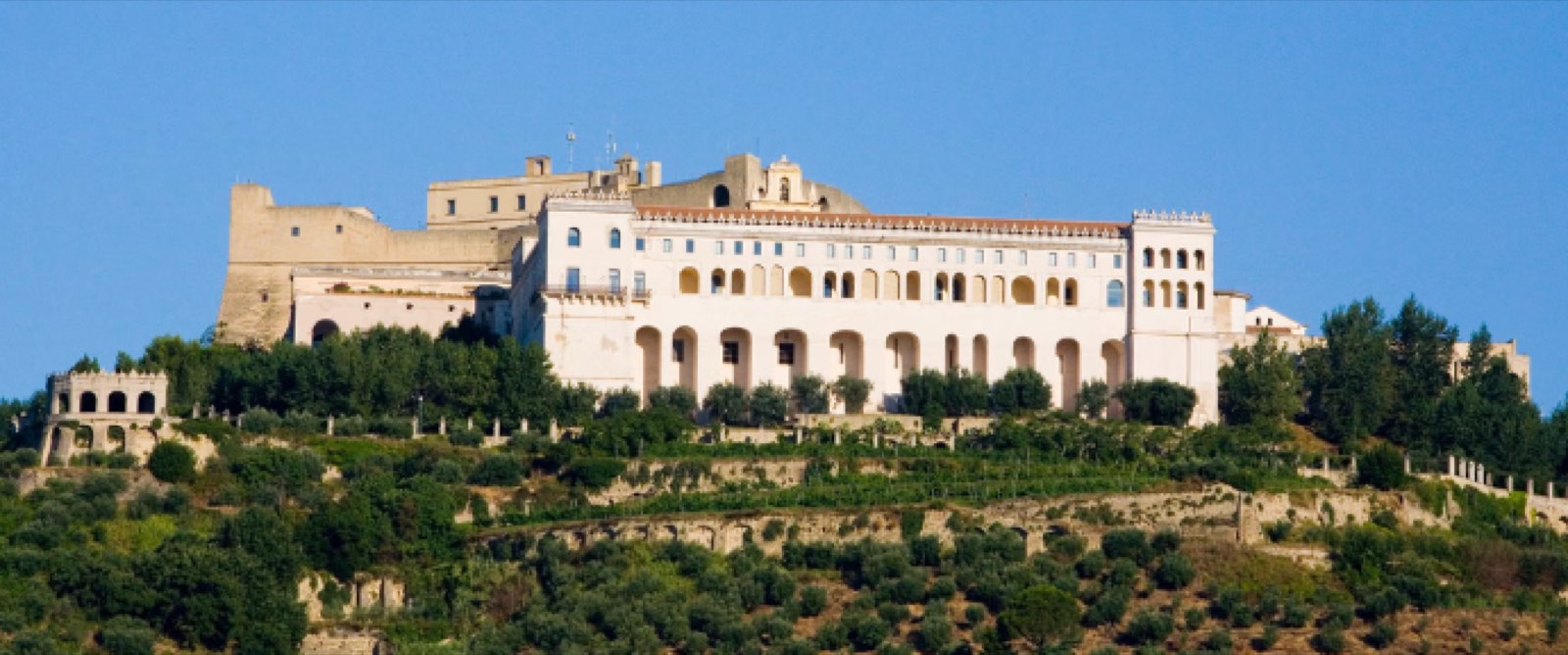
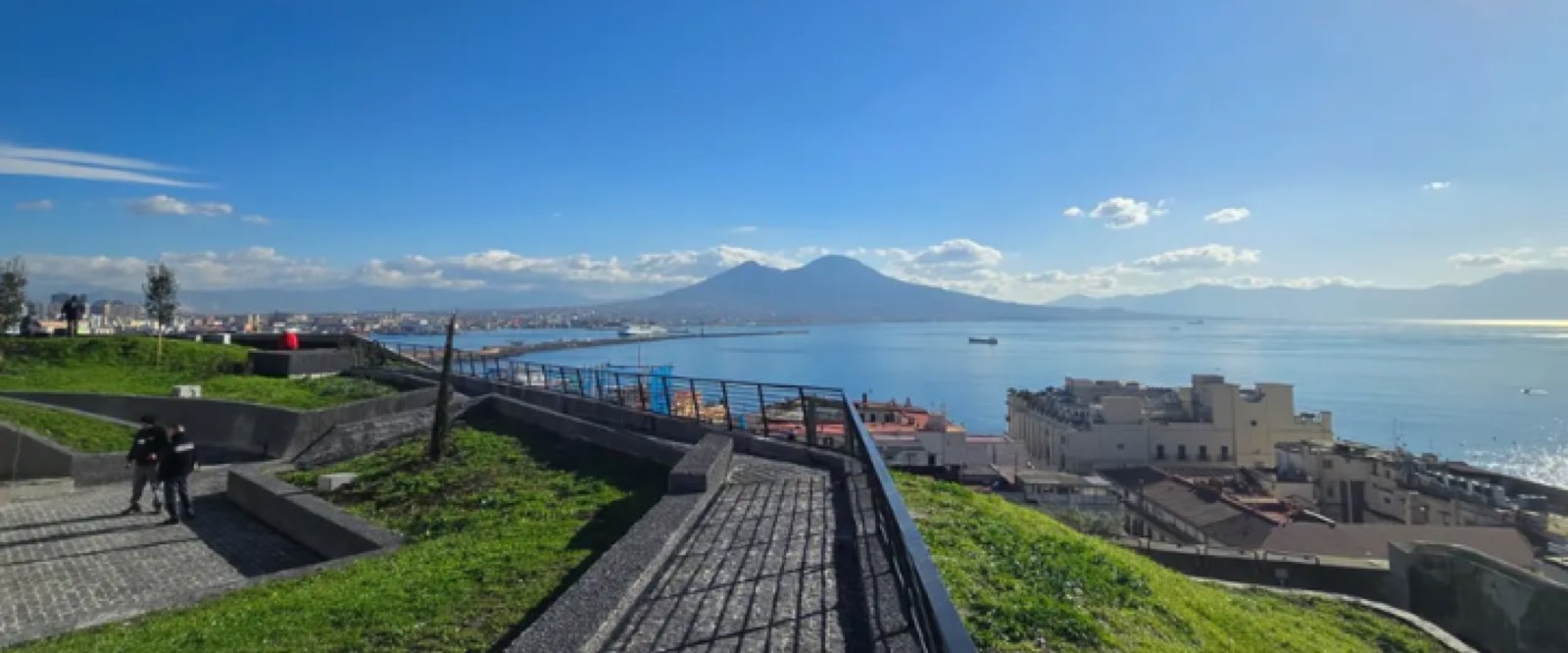
The point from which you see it all at once — Castel Sant'Elmo, among the places recommended by the Follaky Secret Garden castleMonument · Vomero

The point from which you see it all at once

Castel Sant'Elmo

A star-shaped fortress cut into the tuff above the city, held for centuries by whoever was in charge in order to keep an eye on whoever was not. Today its rampart is the terrace that takes in the islands, Vesuvius, the Campi Flegrei and the Matese mountains, with no building in the way.

Go on the last day, not the first. From up there you recognise all the places you have been and understand how they fit together: it is the best way to say goodbye to the city.

lightbulbYou go up by funicular in a few minutes, and come down on foot by the Petraio. Do it in that order.

mapOpen in Maps
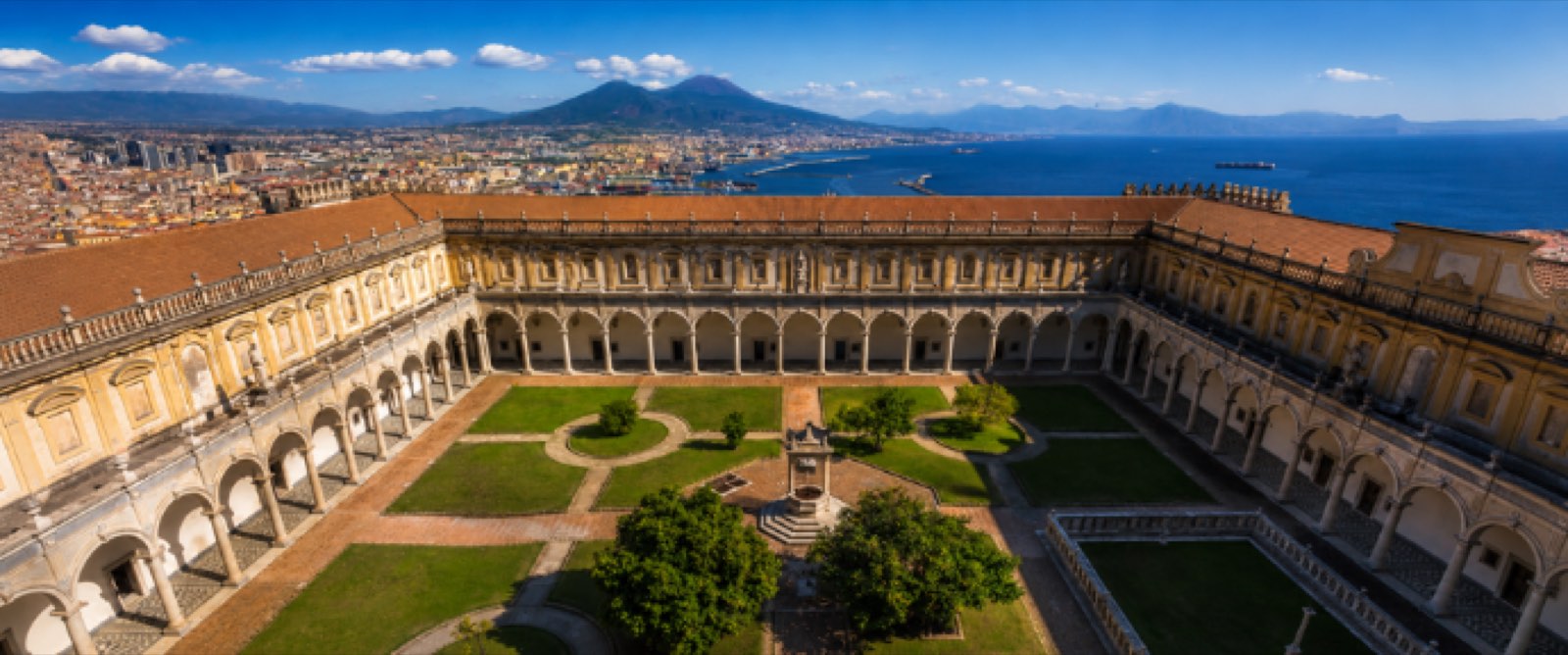
The balcony the monks had kept for themselves — Certosa di San Martino, among the places recommended by the Follaky Secret Garden castleMonument · Vomero

The balcony the monks had kept for themselves

Certosa di San Martino

It stands next to Sant'Elmo and is its exact opposite: where the castle is bare stone, the charterhouse is inlaid marble, cloisters, a monumental nativity scene with hundreds of figures. The people who lived here were Carthusians, monks who keep silence, and they kept it on the hill above Naples.

Go through the Belvedere before the interiors. It opens onto the city and the gulf: you recognise Naples the moment you look out.

lightbulbIt is a hundred metres from the castle: they are done in the same afternoon, and separating them would be a waste.

mapOpen in Maps
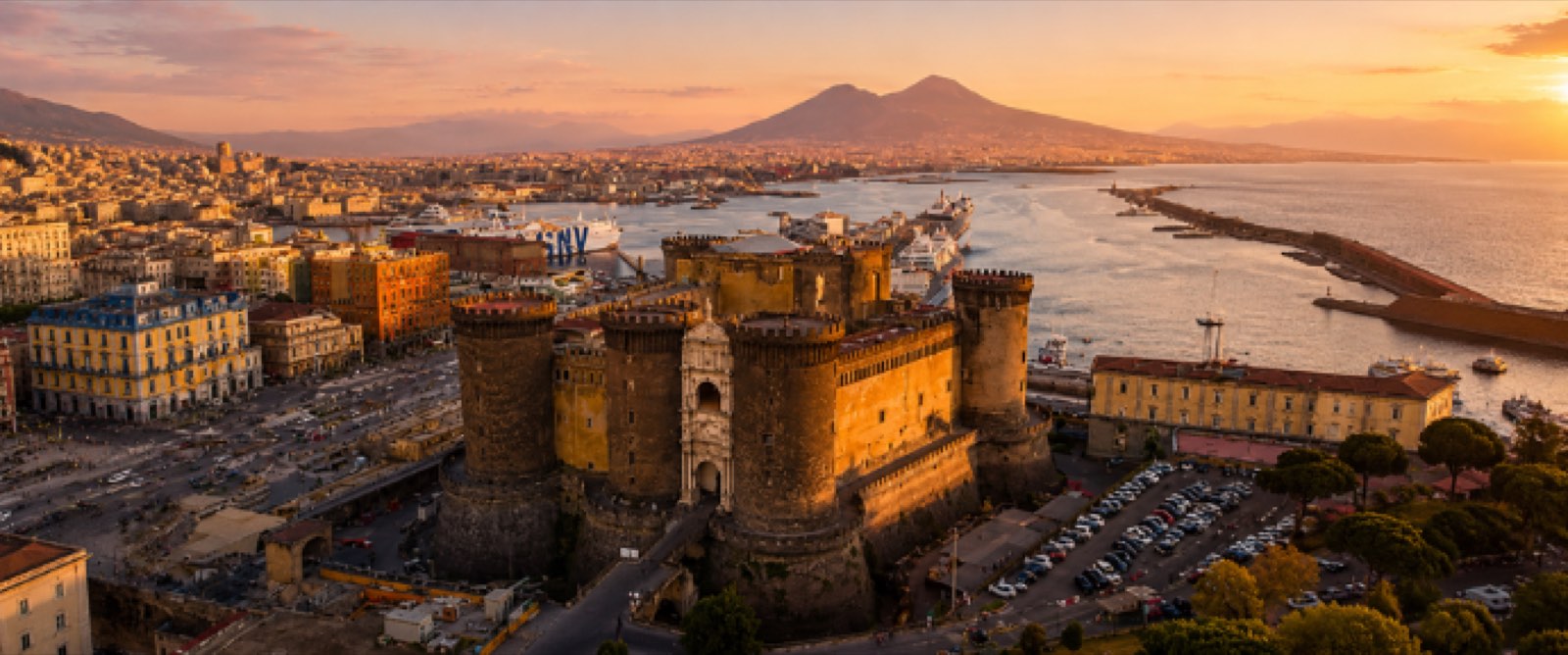
The marble arch wedged between two black towers — Castel Nuovo — Maschio Angioino, among the places recommended by the Follaky Secret Garden castleMonument · Port

The marble arch wedged between two black towers

Castel Nuovo — Maschio Angioino

Five towers of dark tuff facing the port, and between them a triumphal arch in white marble that looks as though it arrived from another city: it was built to celebrate the entry of Alfonso of Aragon, and it is one of the first Renaissance monuments in the South. Inside is the Hall of the Barons, where a conspiracy ended very badly for the conspirators.

Look at the arch from close up and then from far away. From underneath you can count the figures in the procession; from twenty metres you see the real thing, which is how out of place and how magnificent it is there in the middle.

lightbulbIt is the first thing you see arriving from the port: if you are landing from Capri, it is on your way.

mapOpen in Maps
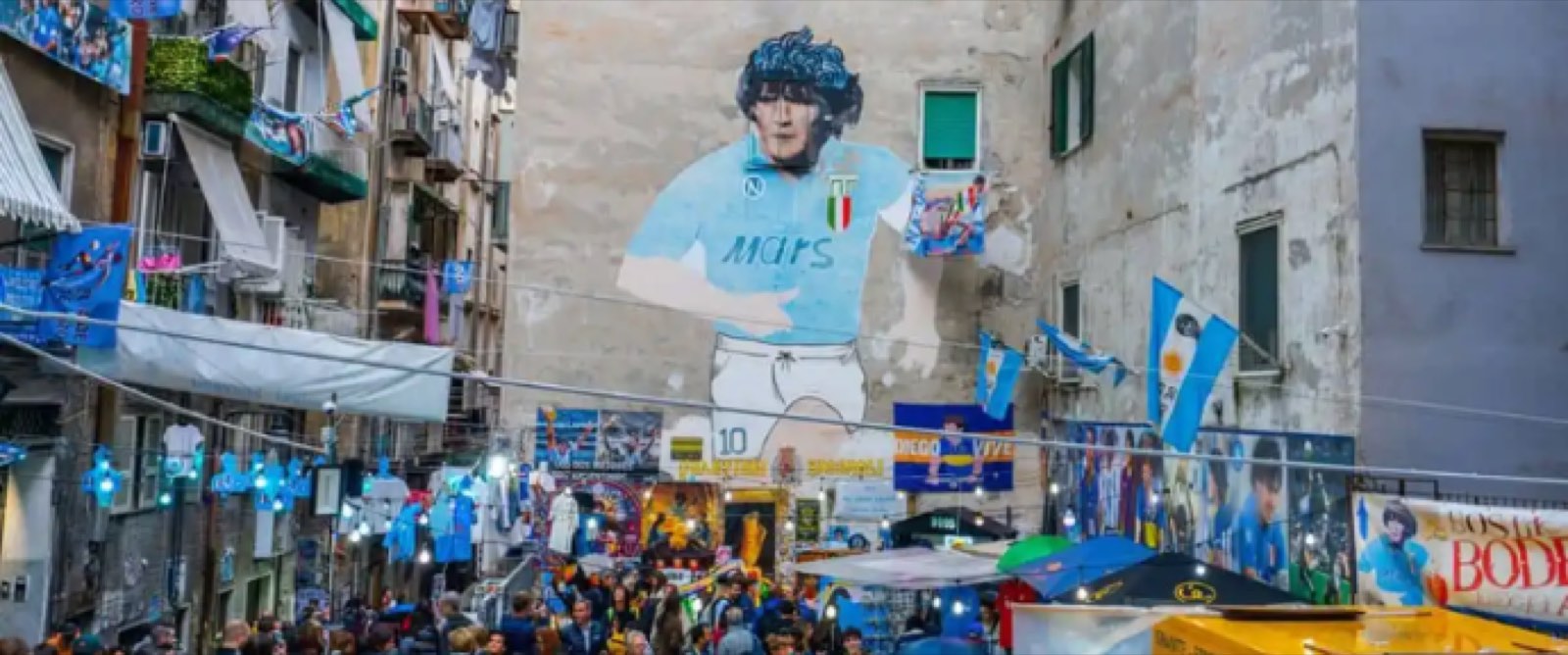
The secular shrine of the Quartieri — Murales di Maradona, among the places recommended by the Follaky Secret Garden castleMonument · Quartieri Spagnoli

The secular shrine of the Quartieri

Murales di Maradona

In an open space in the Quartieri Spagnoli, on a wall as tall as the building, is the mural Neapolitans dedicated to Diego. Around it they have built a real altar: photographs, scarves, letters, candles. It is not an attraction organised by anyone: it grew by itself.

Walk up through the Quartieri instead of coming down from the metro: the steps, the washing hung out and the climbing alleys are half the reason for going.

lightbulbIt is very busy in the middle of the day. Respect the residents: you are inside a lived-in quarter.

mapOpen in Maps
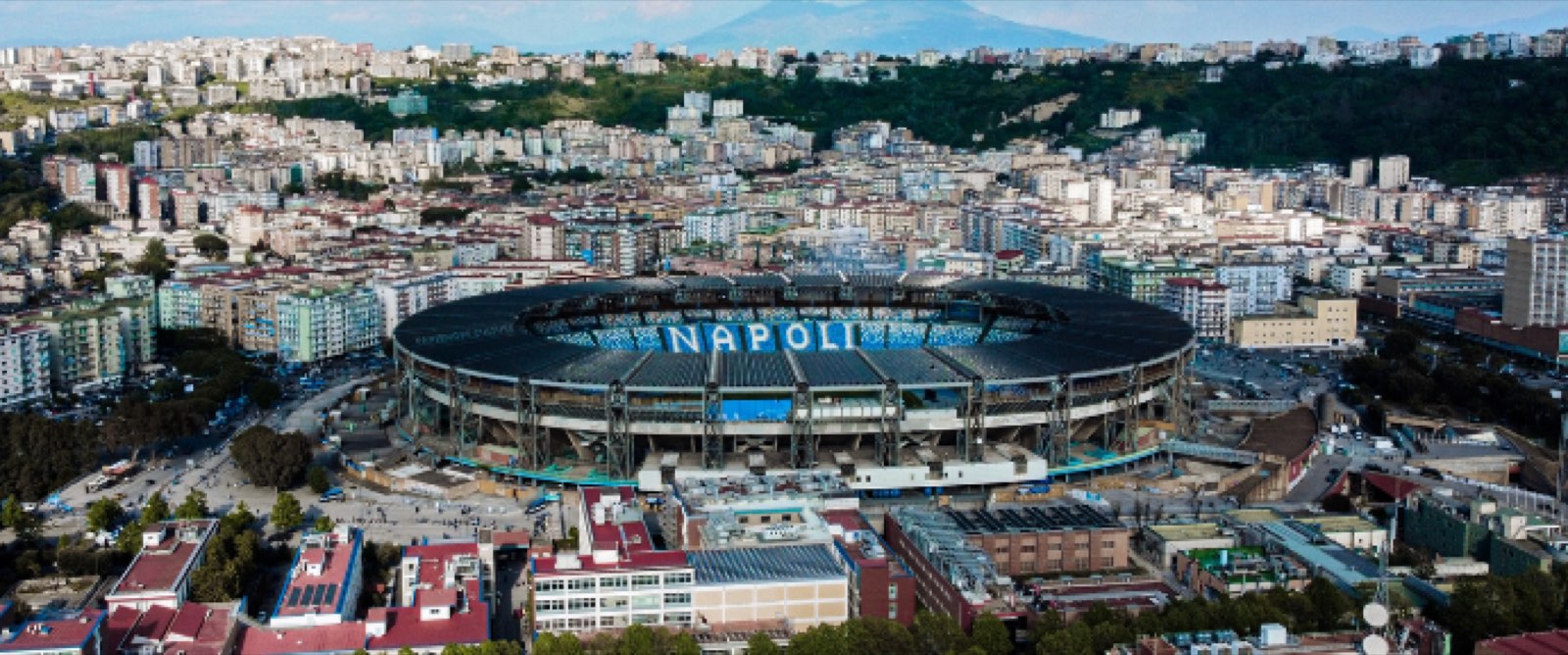
Where the city arranges to meet — Stadio Diego Armando Maradona, among the places recommended by the Follaky Secret Garden castleMonument · Fuorigrotta

Where the city arranges to meet

Stadio Diego Armando Maradona

Opened in 1959 and still the San Paolo to everyone, it is where Naples goes to be itself one Sunday out of two. People who have been there during a match describe the noise before they describe the football.

If you happen to be here on a match day, go. You do not need to understand football: what you come to see is the city, not the game.

lightbulbYou get there by metro in about twenty minutes. On the evening of a match, never by car.

mapOpen in Maps
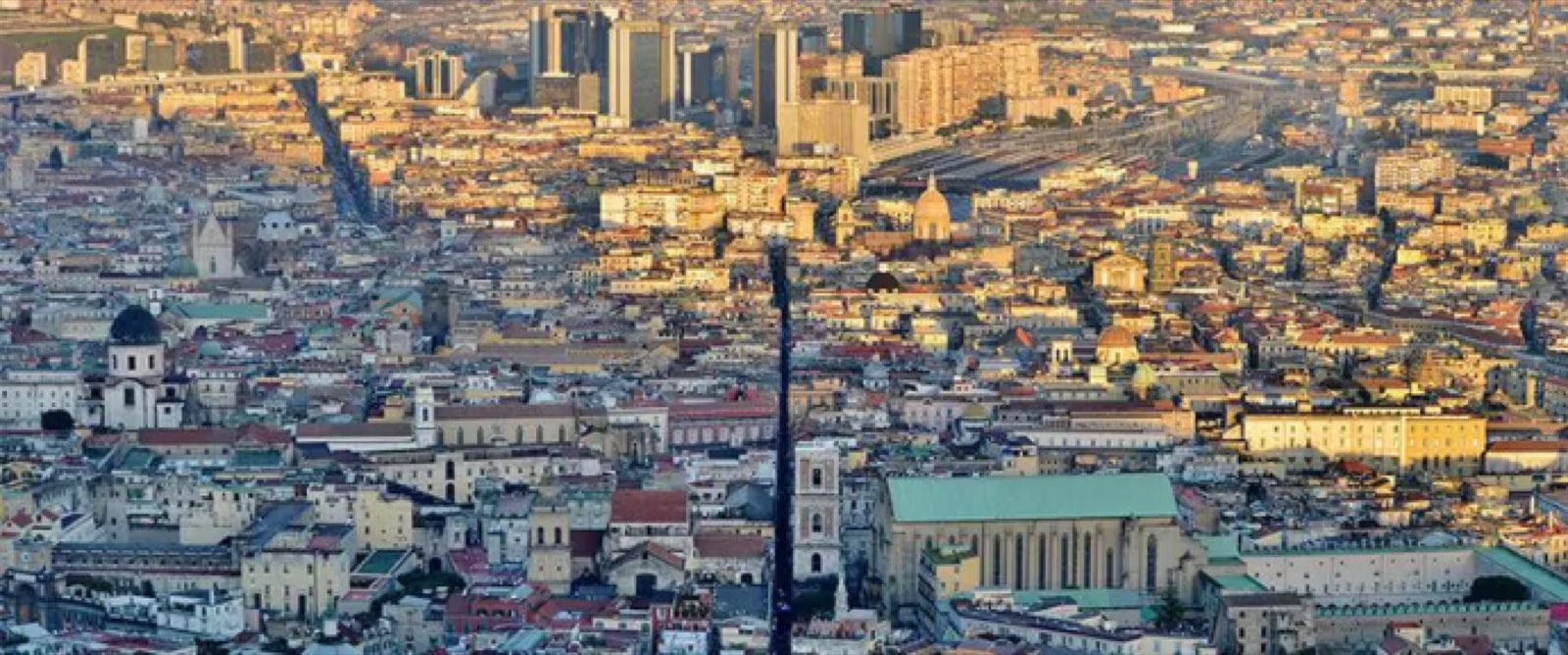
The straight line the Greeks drew and nobody has moved since — Spaccanapoli, among the places recommended by the Follaky Secret Garden castleMonument · Historic centre

The straight line the Greeks drew and nobody has moved since

Spaccanapoli

It is not a street: it is the lower decumanus of the Greek city, a straight line cutting the historic centre in two for two thousand five hundred years, which has changed its name five times without ever changing its course. On either side, nativity workshops, churches, fried-food counters and the doorways of faded palaces.

Walk the whole of it without stopping the first time, end to end. Then come back and go in wherever you feel like: the second pass is the one that counts.

lightbulbYou look up for the palaces and you look down for the scooters. Do it alternately.

mapOpen in Maps
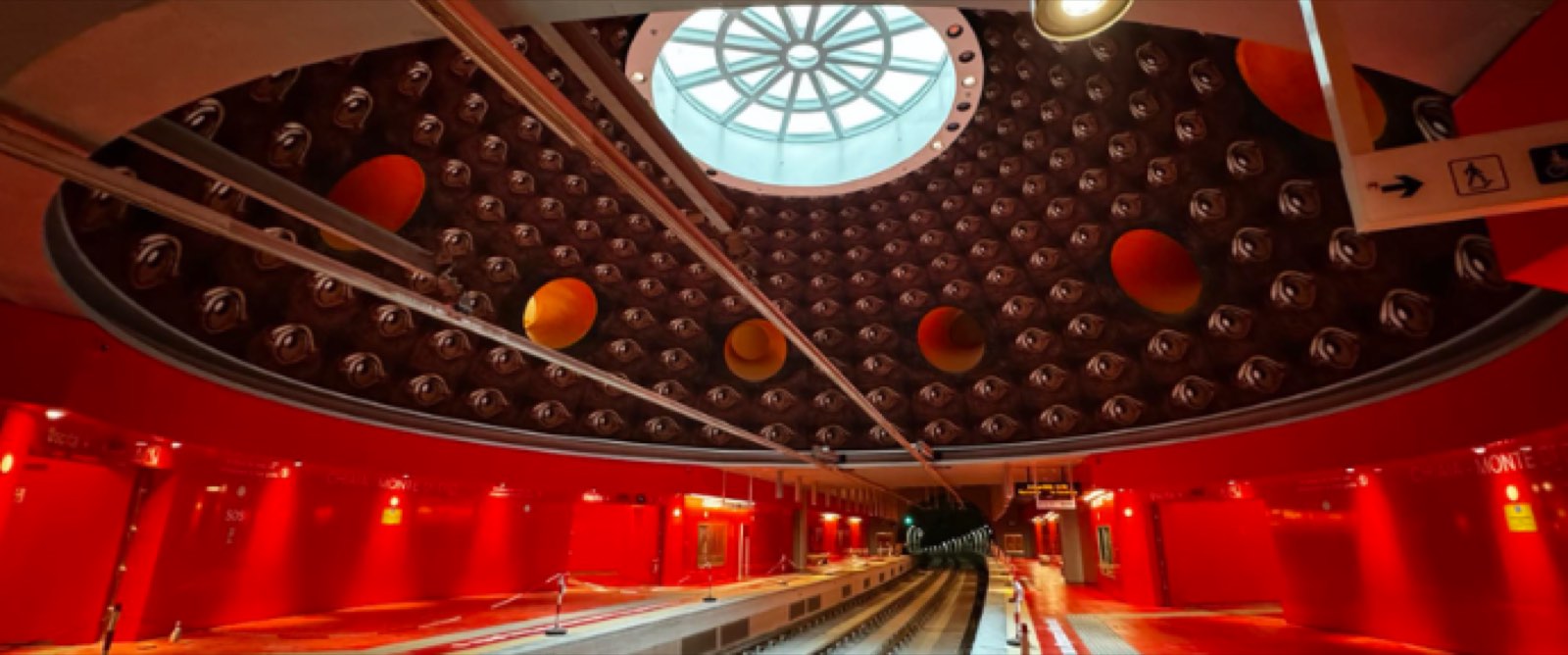
The stop below the house that is also a museum — Metro Chiaia — Stazione dell'Arte, among the places recommended by the Follaky Secret Garden museumMuseum · Chiaia

The stop below the house that is also a museum

Metro Chiaia — Stazione dell'Arte

Line 6 has stations designed by artists and architects, and this one is yours: mosaics and light installations in a place where people only go down to catch a train. It is the nearest museum you have, and you pass through it anyway.

Go down one level further before you take the train and look around you calmly: five minutes, and they are already included in the ticket.

lightbulbLine 6 timetables can change: do check the ANM service on the day.

mapOpen in Maps
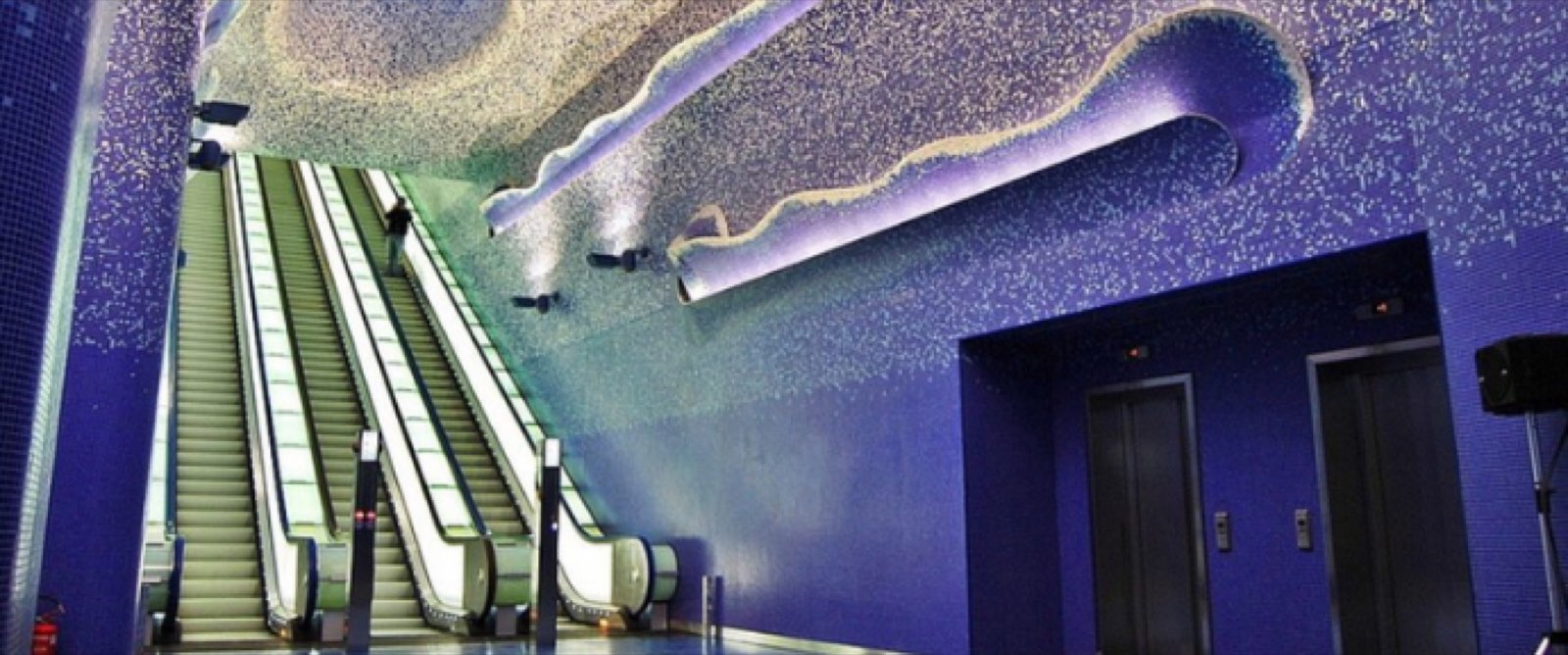
The well of blue light — Metro Toledo — Stazione dell'Arte, among the places recommended by the Follaky Secret Garden museumMuseum · Via Toledo

The well of blue light

Metro Toledo — Stazione dell'Arte

It is one of the best-known art stations in Naples, and the reason is a single one: the Crater de luz, a cone rising all the way to the street lined with blue mosaic, with real daylight coming down from above. You take an escalator and for a minute it feels like surfacing from the bottom of the sea.

Take the escalator and turn to face upwards, not towards the steps. It is the only way to see the effect the station was built for.

lightbulbYou do not need to be travelling to see it: you go in, you look and you come out. But it is on the way into the centre, so you may as well use it.

mapOpen in Maps
The Roman market left switched on beneath the church — Neapolis Sotterrata, among the places recommended by the Follaky Secret Garden exploreUnderground · San Lorenzo Maggiore

The Roman market left switched on beneath the church

Neapolis Sotterrata

Under San Lorenzo you walk along a real street of the Roman forum, with the shops on either side: the bakery, the laundry, the fishmonger's counter with its basin cut into the stone. It is not a reconstruction. It is the city of that time, buried and left where it was.

Stop in front of the laundry counter and look for the basins for the feet. It is not a monument: it is somebody's place of work, and that is what strikes you.

lightbulbYou are underground and the temperature is different: bring something to put on even in August.

mapOpen in Maps
A king's escape route, turned into everybody's shelter — Galleria Borbonica, among the places recommended by the Follaky Secret Garden exploreUnderground · Chiaia

A king's escape route, turned into everybody's shelter

Galleria Borbonica

Ferdinand II had it dug to connect the Royal Palace to the Chiaia barracks and give himself a way out. It was never finished. Eighty years later, during the bombing, thousands of Neapolitans took shelter in it and stayed for months: their names, their drawings and their beds are still on the walls. Then the impounded cars were dumped down there, and they are still there too.

Read the writing on the walls instead of photographing the cars. It was written by people who slept down there waiting for it to be over.

lightbulbThe entrance is a few minutes from us. It is the most striking thing you can do on a rainy afternoon.

mapOpen in Maps
Twenty-three centuries under an ordinary building — Ipogeo dei Cristallini, among the places recommended by the Follaky Secret Garden exploreUnderground · Rione Sanità

Twenty-three centuries under an ordinary building

Ipogeo dei Cristallini

You go down from a courtyard that promises nothing, by a narrow staircase, and arrive in four Greek burial chambers cut into the tuff when the city was still called Neapolis. The colour is still there: the red, the blue, the painted festoon above the stone bed. It is a small-scale visit, very different from the great Christian catacombs of the quarter.

Ask for the light to be switched off for a moment. It is the quickest way to understand that this is not a museum: it is a place where somebody was left.

lightbulbIt is visited with a guide and in small groups. It is the sort of place where it pays to arrive prepared.

mapOpen in Maps
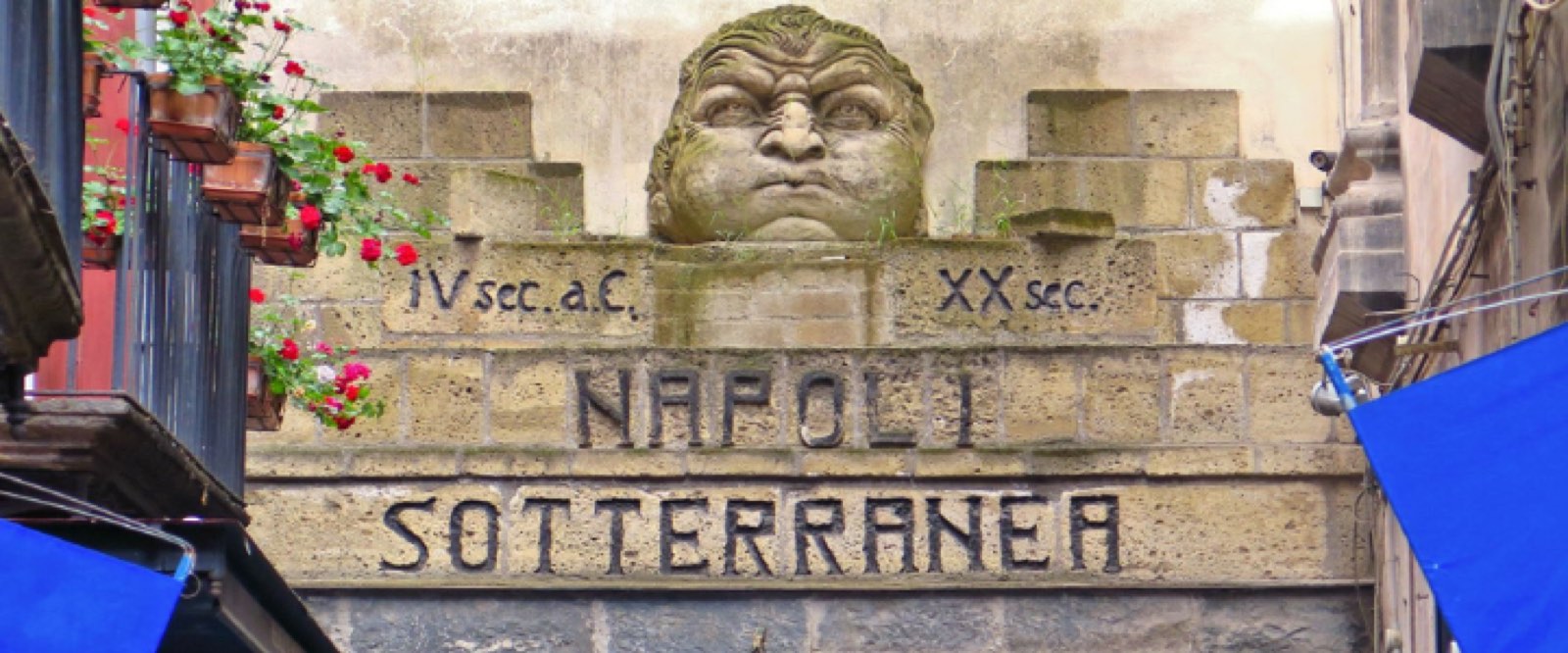
Forty metres beneath Spaccanapoli — Napoli Sotterranea, among the places recommended by the Follaky Secret Garden exploreUnderground · Historic centre

Forty metres beneath Spaccanapoli

Napoli Sotterranea

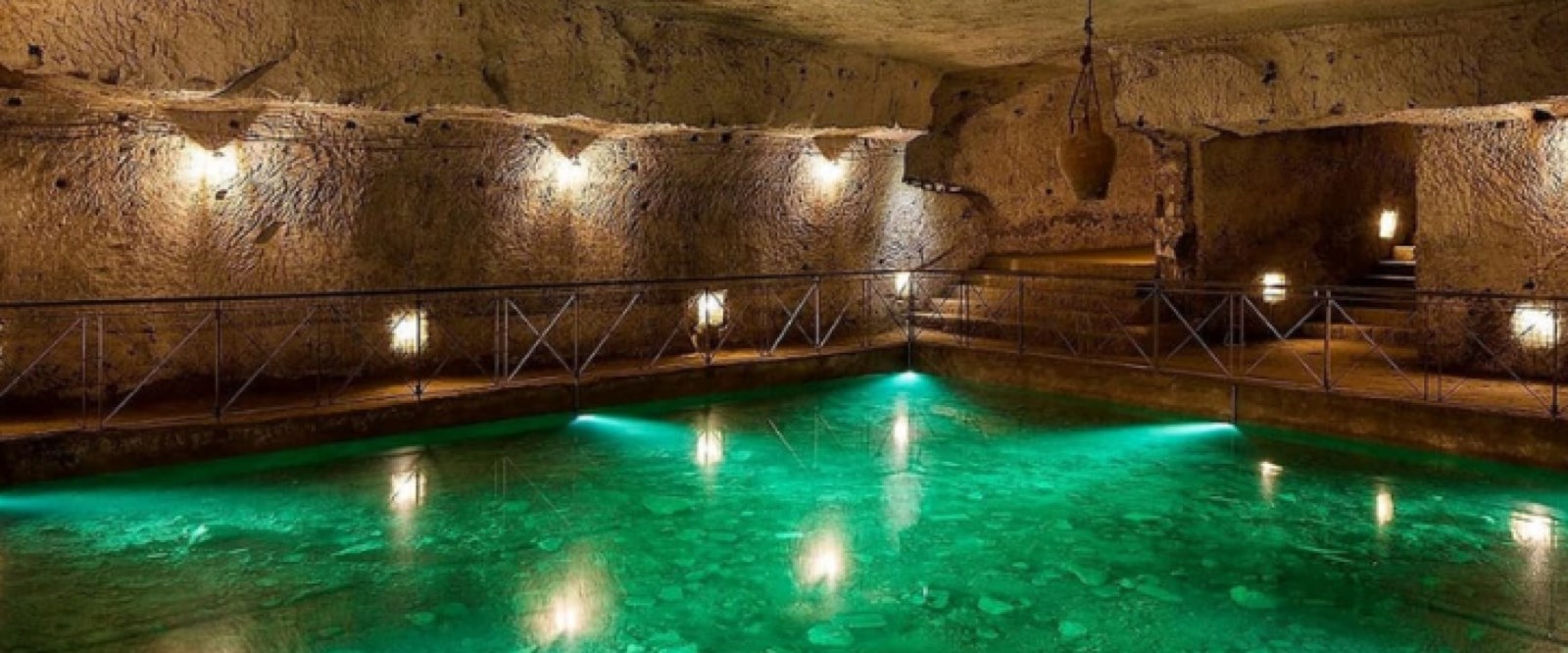
The Greeks quarried the tuff to build the city and left the pits; the Romans ran the aqueduct through them; in the twentieth century they became air-raid shelters for hundreds of thousands of people. It is the same cavity used three times in two thousand years, and you go down into it from an alley in the centre.

Do the narrow passage with the candle, the one you go through sideways: it lasts a few minutes and it is the only way to understand what it was like down there when the alarm went off above.

lightbulbThere are stairs and tight tunnels: it is not for anyone who suffers in closed spaces, and not for good shoes.

mapOpen in Maps
The hill where Naples was founded twice — Monte Echia, among the places recommended by the Follaky Secret Garden landscapeView · Pizzofalcone
The hill where Naples was founded twice

Monte Echia

Parthenope stood here, the first Greek settlement of Naples, before the city even moved to where it is now. Today it is a terrace above the port and Castel dell'Ovo, and you go up by a public lift cut inside the tuff rock.

Go up in the lift inside the rock rather than on foot: you enter through a door in the middle of the street and come out at the top of the hill. You do not expect it, and it is half the fun.

lightbulbYou can walk here from our door. It is the least crowded viewpoint in the city, and not through any fault of its own: simply because hardly anyone knows it is there.

mapOpen in Maps
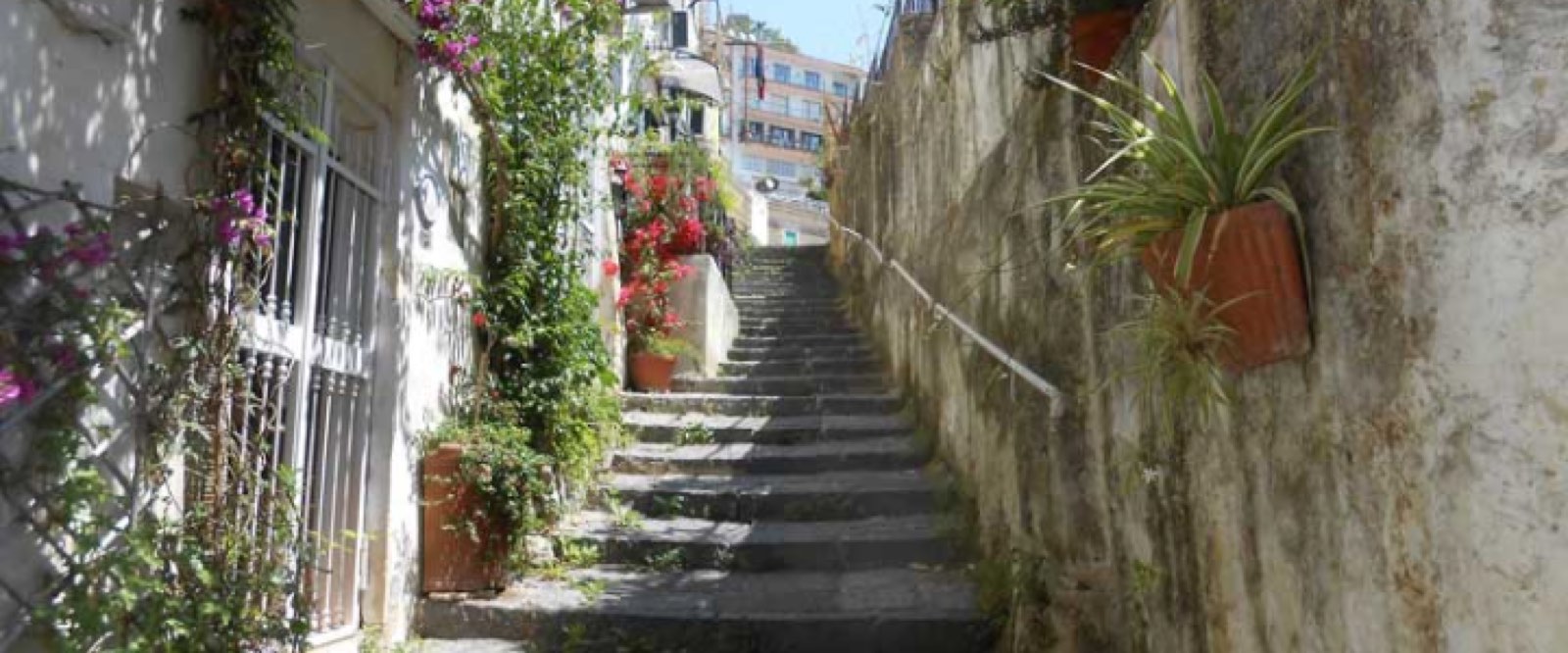
The climb Neapolitans do not mention to visitors — Il Petraio, among the places recommended by the Follaky Secret Garden landscapeView · Between the Vomero and Chiaia

The climb Neapolitans do not mention to visitors

Il Petraio

It is not a road and it is not a path: it is a stairway climbing from the quarter up to the Vomero between private gardens, washing hung out to dry and certain gates that let you glimpse what is behind them. Every fifty steps you turn round, and the gulf is a little wider than before.

Do it downhill, not uphill, in the evening: you take the funicular to go up, and walk back down while the lights come on over the sea.

lightbulbThese are real steps, not a promenade. Comfortable shoes, and no suitcases.

mapOpen in Maps
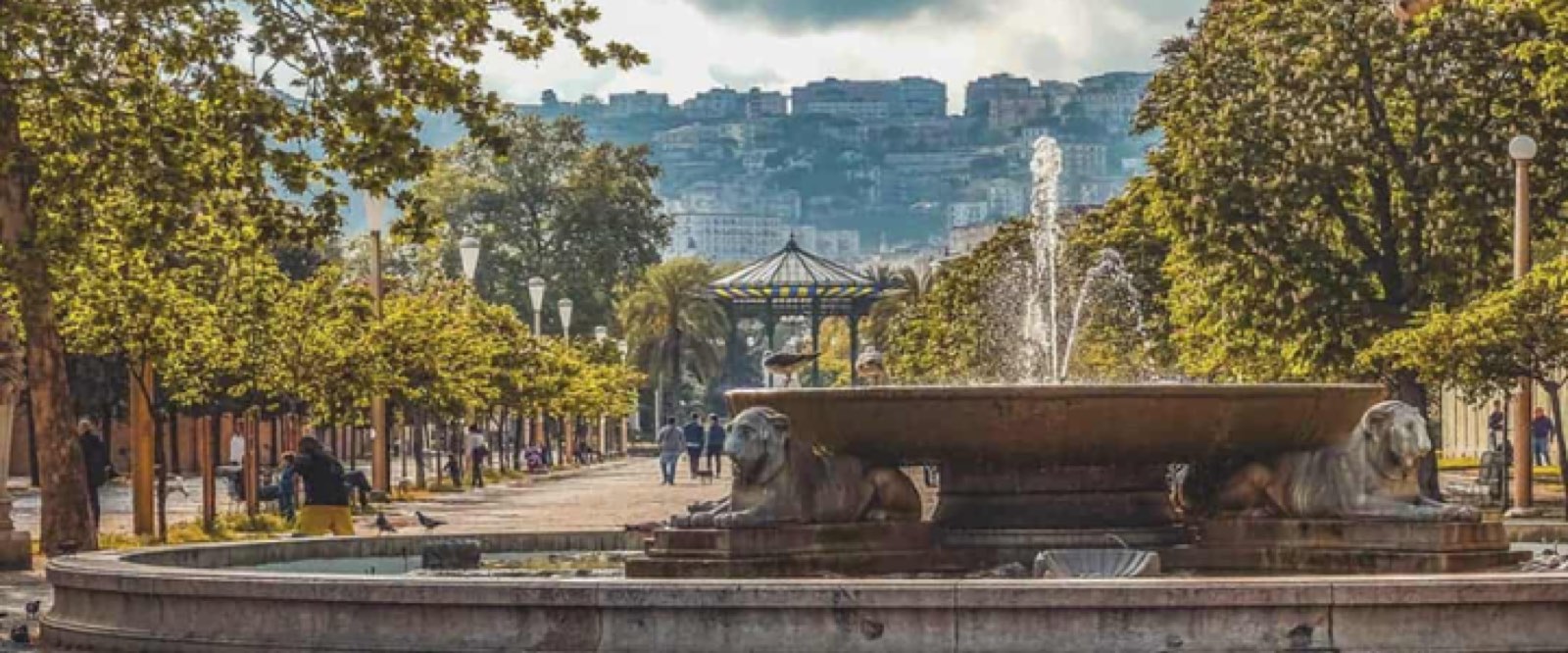
The kilometre-long garden between the city and the sea — Villa Comunale, among the places recommended by the Follaky Secret Garden parkPark · Seafront

The kilometre-long garden between the city and the sea

Villa Comunale

It was laid out in the eighteenth century as a royal promenade and opened to the public one day a year; today it is where Naples runs, brings its children and argues about football under the plane trees. In the middle stands the Cassa Armonica, a bandstand of cast iron and glass.

Cross it on your way to the sea instead of skirting it: it takes exactly as long, and it changes the day completely.

lightbulbIt is close to us. You reach it on a walk.

mapOpen in Maps
The park a king gave to his wife — Villa Floridiana, among the places recommended by the Follaky Secret Garden parkPark · Vomero

The park a king gave to his wife

Villa Floridiana

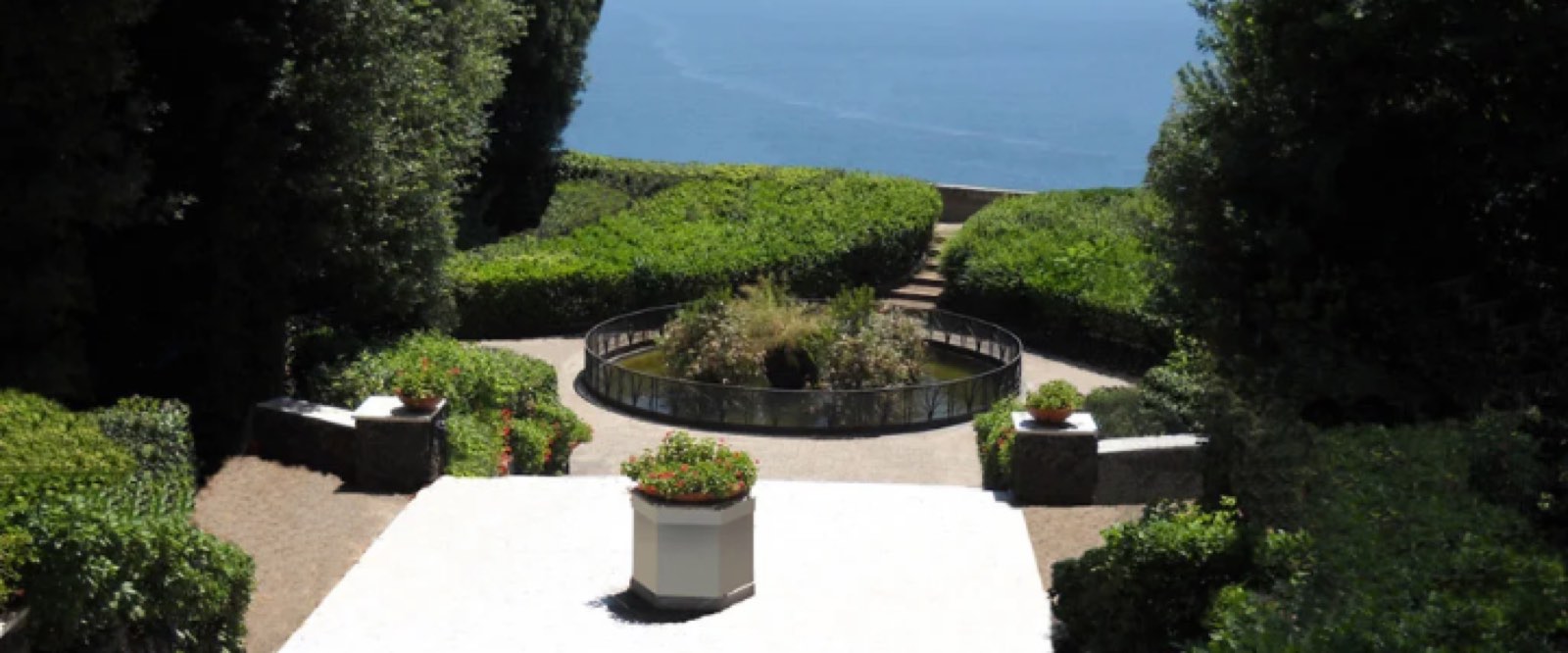
Ferdinand I had it laid out for Lucia Migliaccio, the wife he had married in secret, and gave it her name. It is an English park descending in terraces from the Vomero towards the sea, with the white villa at the top and, inside it, one of the most important porcelain collections in Europe.

Go right to the belvedere at the end of the avenue, beyond the villa: the park seems to be ending and instead it opens onto the whole gulf, with almost nobody around.

lightbulbIt pairs well with walking down the Petraio: first the park, then the steps home.

mapOpen in Maps
The terrace at the far end of Posillipo — Parco Virgiliano, among the places recommended by the Follaky Secret Garden parkPark · Posillipo

The terrace at the far end of Posillipo

Parco Virgiliano

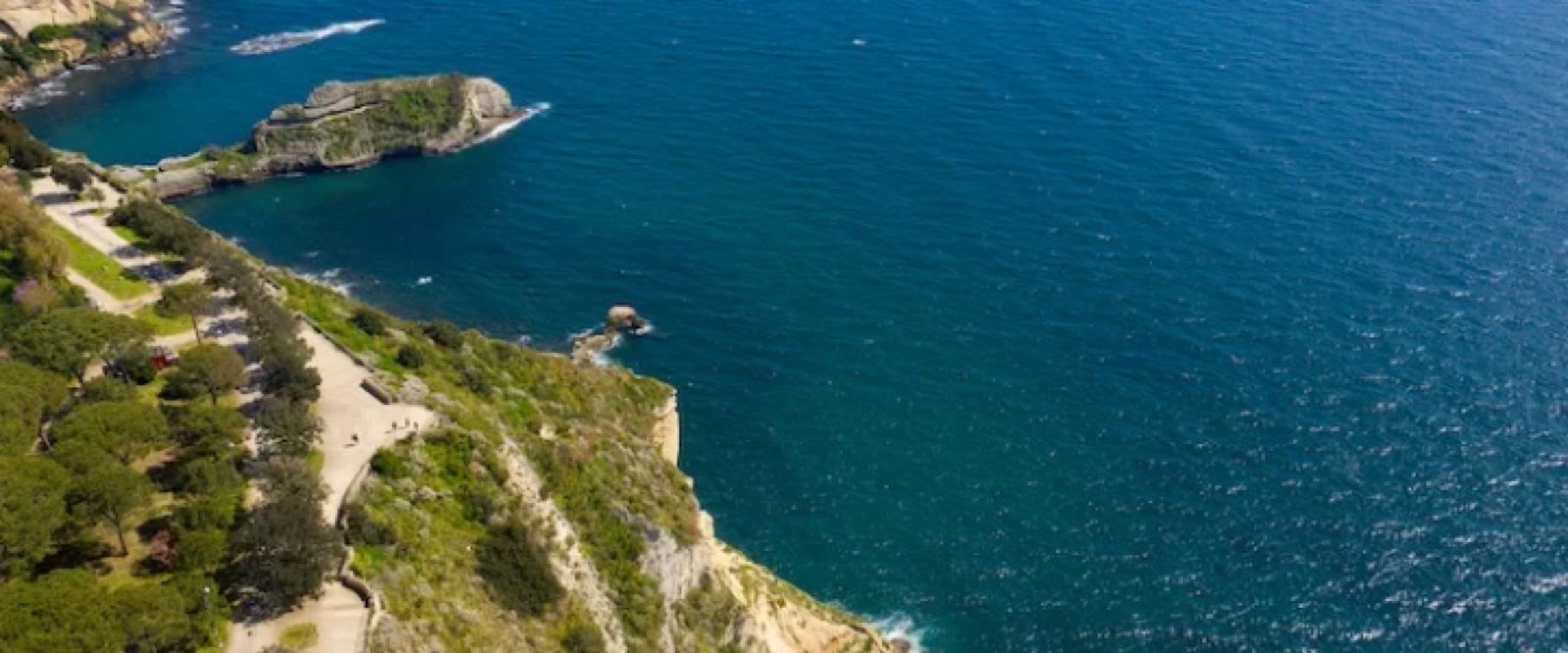
It stands on the tip of the hill, where the city ends, and it is built in tiers looking out over the open sea. From here you see Nisida attached to the coast, the Campi Flegrei on one side and, when the air is clear, Capri and Ischia on the other.

Go for the sunset rather than for the view. It faces west: it is one of the few points in the city where the sun goes down into the sea and not behind a hill.

lightbulbIt is far from the centre and the Posillipo road is slow. It is worth the journey, but allow for it.

mapOpen in Maps
A Roman villa under two metres of clear water — Parco Sommerso della Gaiola, among the places recommended by the Follaky Secret Garden beach_accessSea · Posillipo

A Roman villa under two metres of clear water

Parco Sommerso della Gaiola

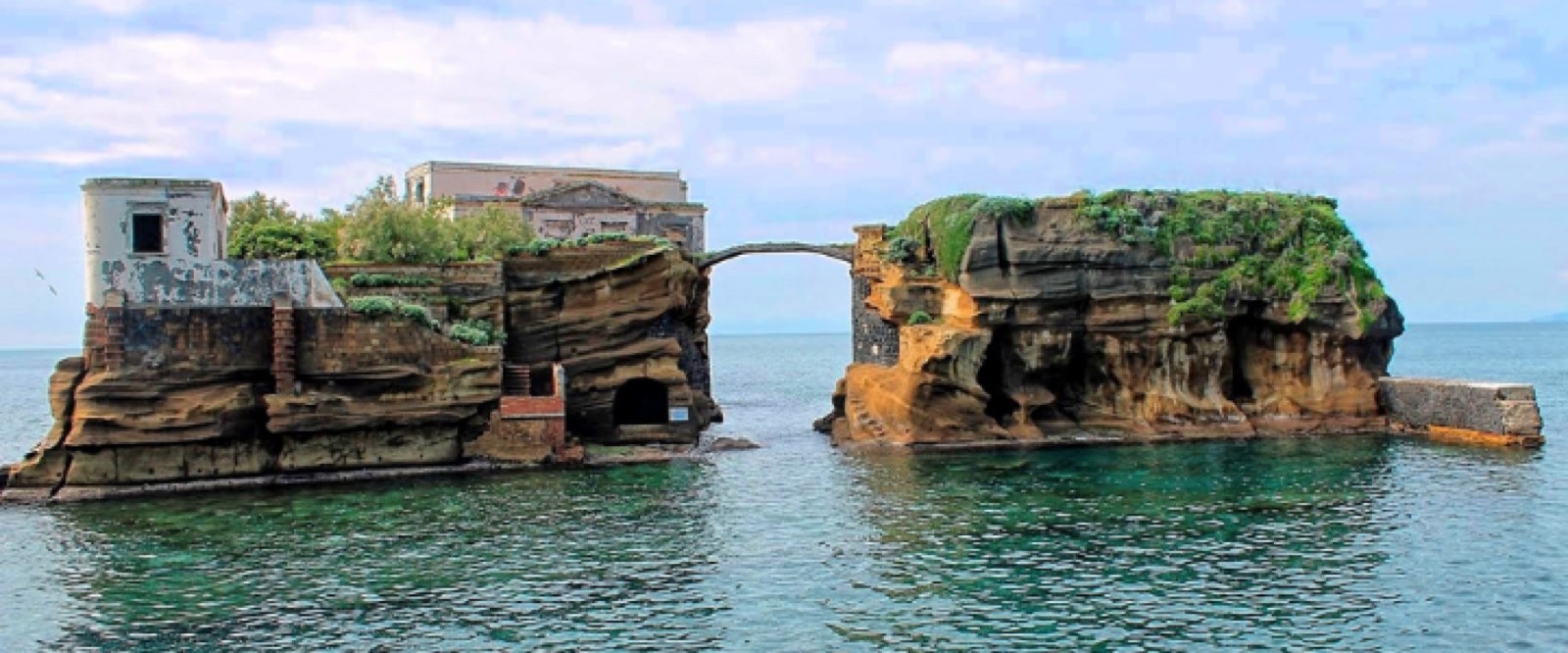
It is a protected marine area, and underwater lie the ruins of the villa of Publius Vedius Pollio: columns, jetties, floors, all perfectly visible because the sea here is shallow and clear. Above, two islets joined by an arch of rock, and the reputation of being the most beautiful and the unluckiest place on the coast.

Swim over the ruins with a mask: you do not need to be able to dive, you only need to float and look down.

lightbulbIt is a reserve: access is limited and the rules are to be respected. Organise it beforehand, do not simply turn up.

mapOpen in Maps
The window from the song everybody knows — Marechiaro, among the places recommended by the Follaky Secret Garden beach_accessSea · Posillipo

The window from the song everybody knows

Marechiaro

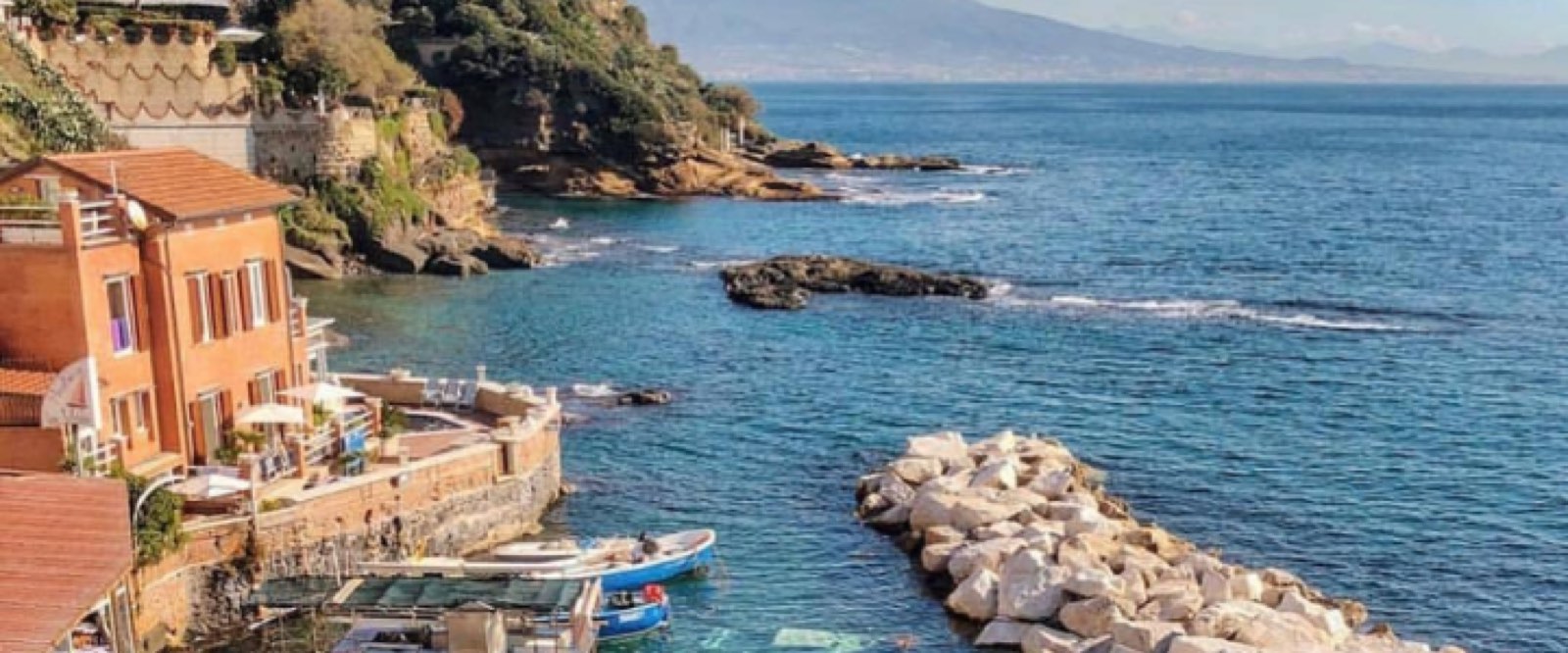
«A Marechiaro ce sta na fenesta»: the song is from 1885 and the window still exists, with its plaque underneath, in a fishing hamlet clinging to the rocks at the far end of Posillipo. You go down a narrow lane, and below there are boats, flat rocks and restaurants on the water.

Go all the way down to the rocks below the hamlet instead of stopping at the tables up above: the water is a metre away and from there you see the gulf horizontally, not from above.

lightbulbThe walk down is steep and the walk back up more so. If you are going for dinner, think about how you will get back.

mapOpen in Maps
A swim in the city, without taking any transport — Mappatella Beach, among the places recommended by the Follaky Secret Garden beach_accessSea · Seafront

A swim in the city, without taking any transport

Mappatella Beach

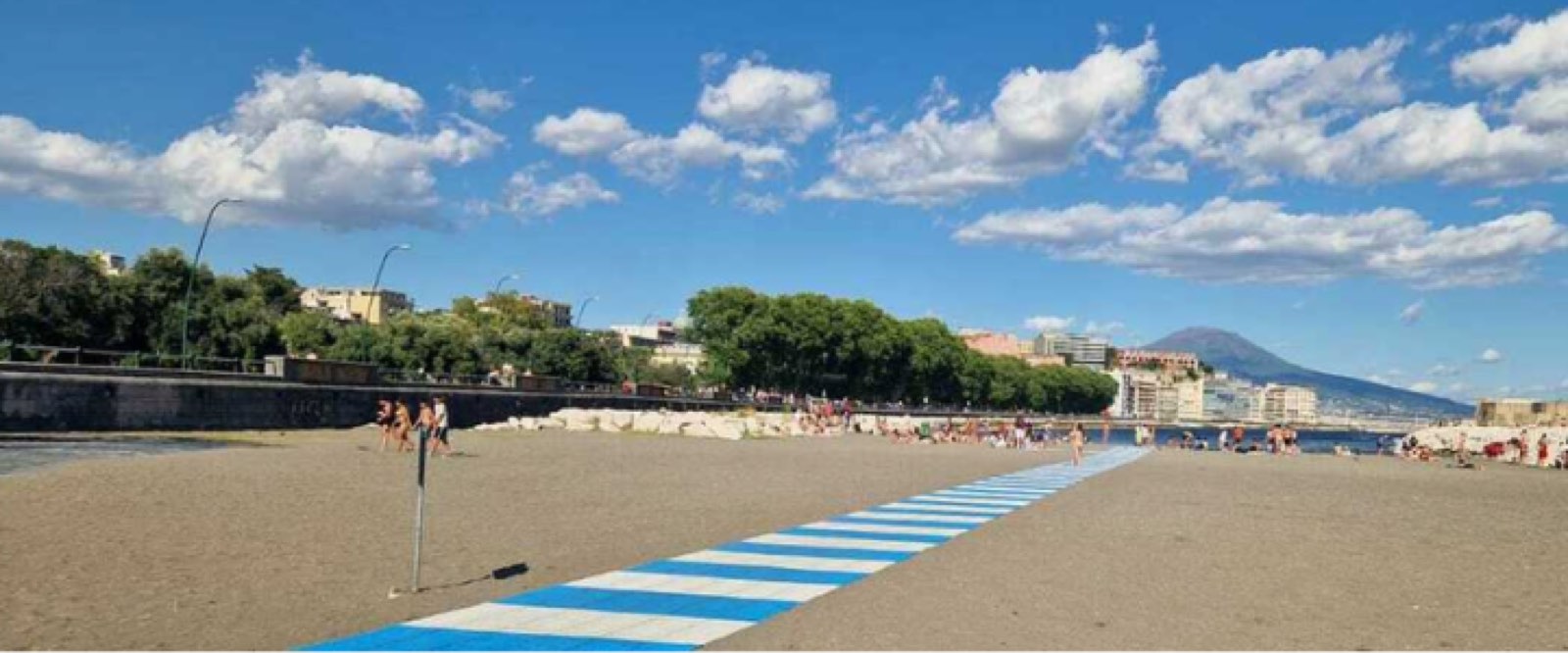
It is the free beach on the seafront, below the Villa Comunale: a stretch of sand and pebbles where Neapolitans swim on their lunch break, with Castel dell'Ovo on one side and Vesuvius in front. The name comes from the bundle of towels, the mappatella.

Have a swim here before dinner, on an ordinary day, without organising anything. It is a walk from here, and it will stay with you longer than half a day on a ferry.

lightbulbIt is a city beach, not a cove: you go for the gesture and for the view, not for crystal water.

mapOpen in Maps
The city's salon since 1860 — Gran Caffè Gambrinus, among the places recommended by the Follaky Secret Garden storefrontHistoric café · Plebiscito

The city's salon since 1860

Gran Caffè Gambrinus

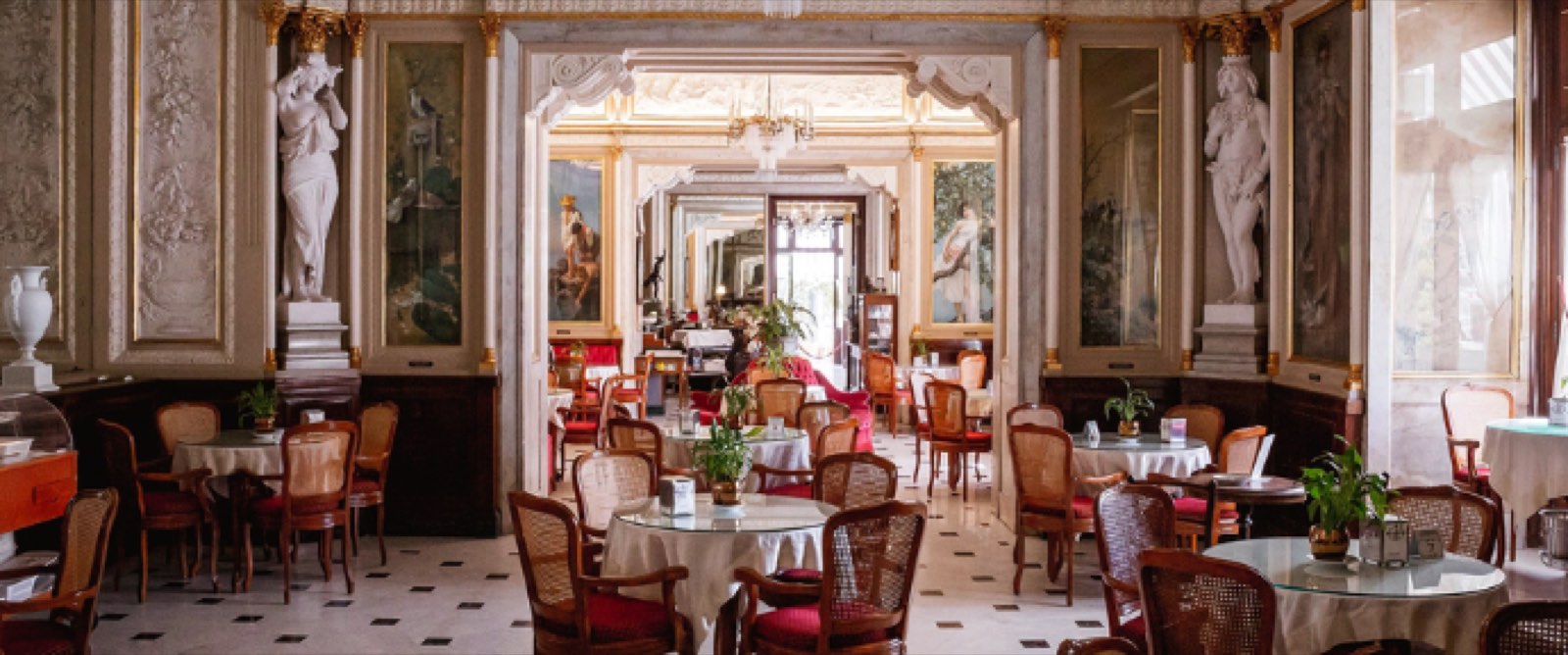
Mirrors, stucco and waiters in white jackets on the corner of the Plebiscito. D'Annunzio, Oscar Wilde and half the history of the city have passed through here, and this is where the caffè sospeso was born: you pay for two, you drink one, and the second stays paid for whoever comes in and cannot afford it.

Drink your coffee standing at the counter and leave one suspended. It is the one Neapolitan custom you can practise in thirty seconds and for a euro.

lightbulbAt the counter it costs a fraction of what it costs at a table, and at the counter you see a great deal more.

mapOpen in Maps
The promenade where Naples does its shopping — Via Scarlatti, among the places recommended by the Follaky Secret Garden storefrontShop · Vomero

The promenade where Naples does its shopping

Via Scarlatti

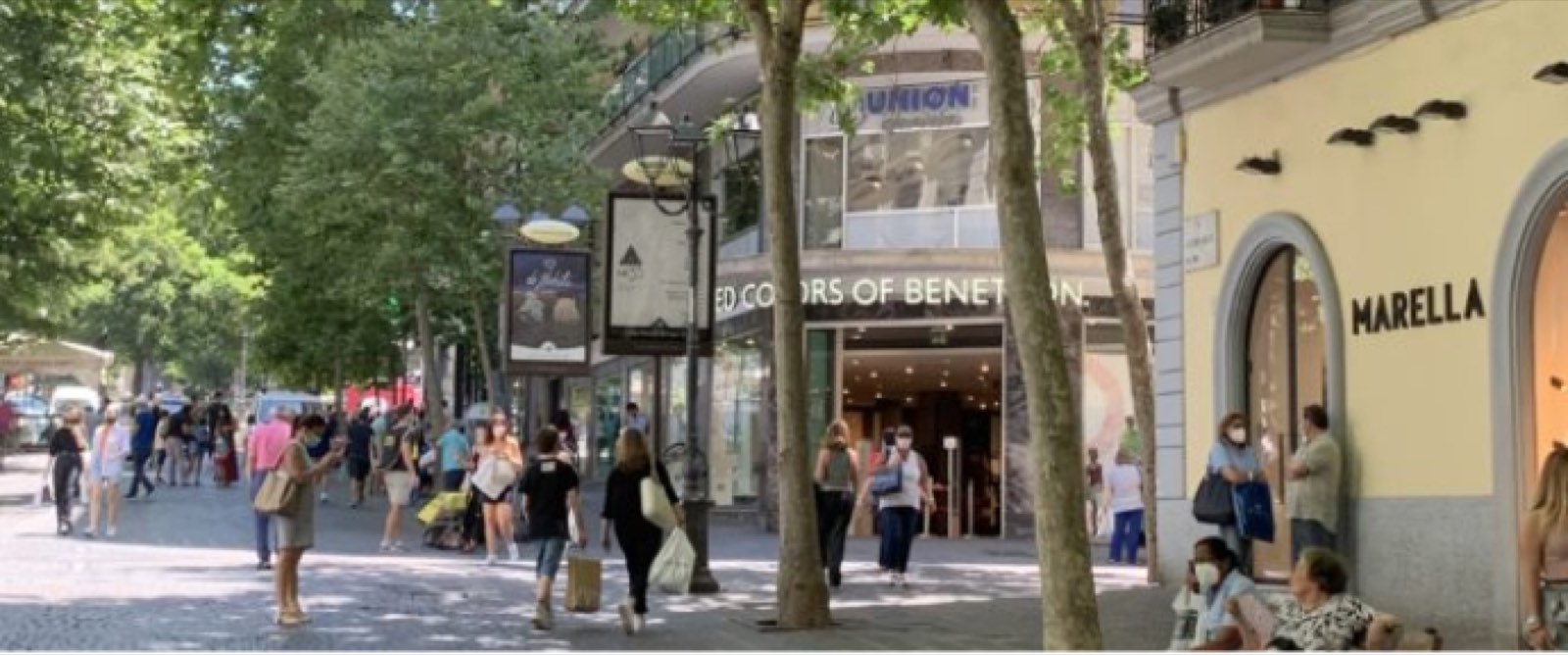
It is the pedestrian spine of the Vomero: shops, long-established pastry shops, book stalls and the people of the quarter coming down for a stroll in the evening. It is not a guidebook street: it is where you understand how the Neapolitan middle class lives when it is not on show.

Go up by funicular and walk the whole of it as far as the Floridiana. You start with shop windows and end up inside a park: it is the best half day of uncertain weather.

lightbulbThere is nothing to visit here, and that is exactly why it is restful after three days of monuments.

mapOpen in Maps
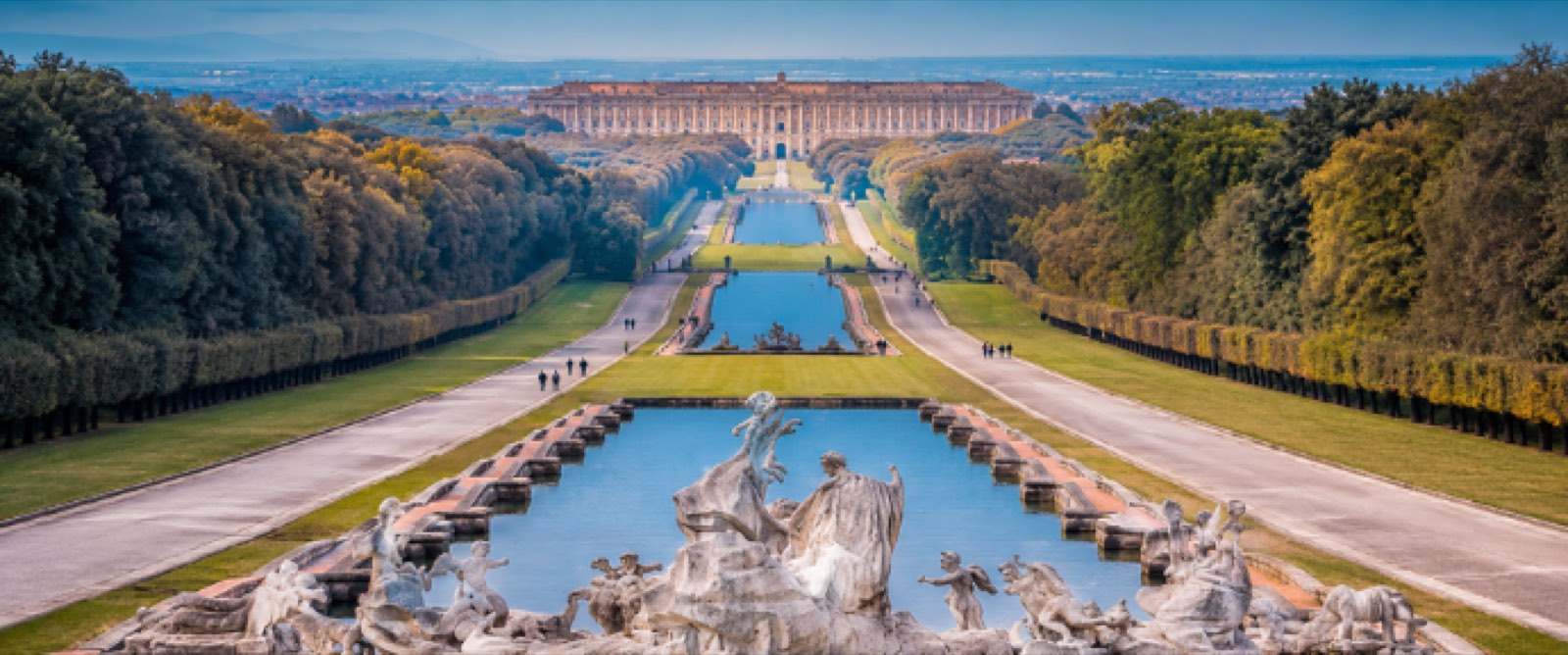
Three kilometres of garden in a straight line — Reggia di Caserta, among the places recommended by the Follaky Secret Garden castleMonument · Caserta

Three kilometres of garden in a straight line

Reggia di Caserta

Charles of Bourbon wanted it larger than Versailles, and he managed it: twelve hundred interiors, a staircase that leaves you speechless and above all a park climbing straight ahead for three kilometres, fountain after fountain, up to an artificial waterfall. At the far end is the English Garden, the part almost everyone skips because they are already exhausted.

Take the shuttle to the top of the park and walk down. Everyone does the opposite, arrives at the waterfall worn out and turns back without having seen the English garden.

lightbulbIt is a whole day, and the park is the reason for going: if you are short of time, skip the apartments, not the green.

mapOpen in Maps
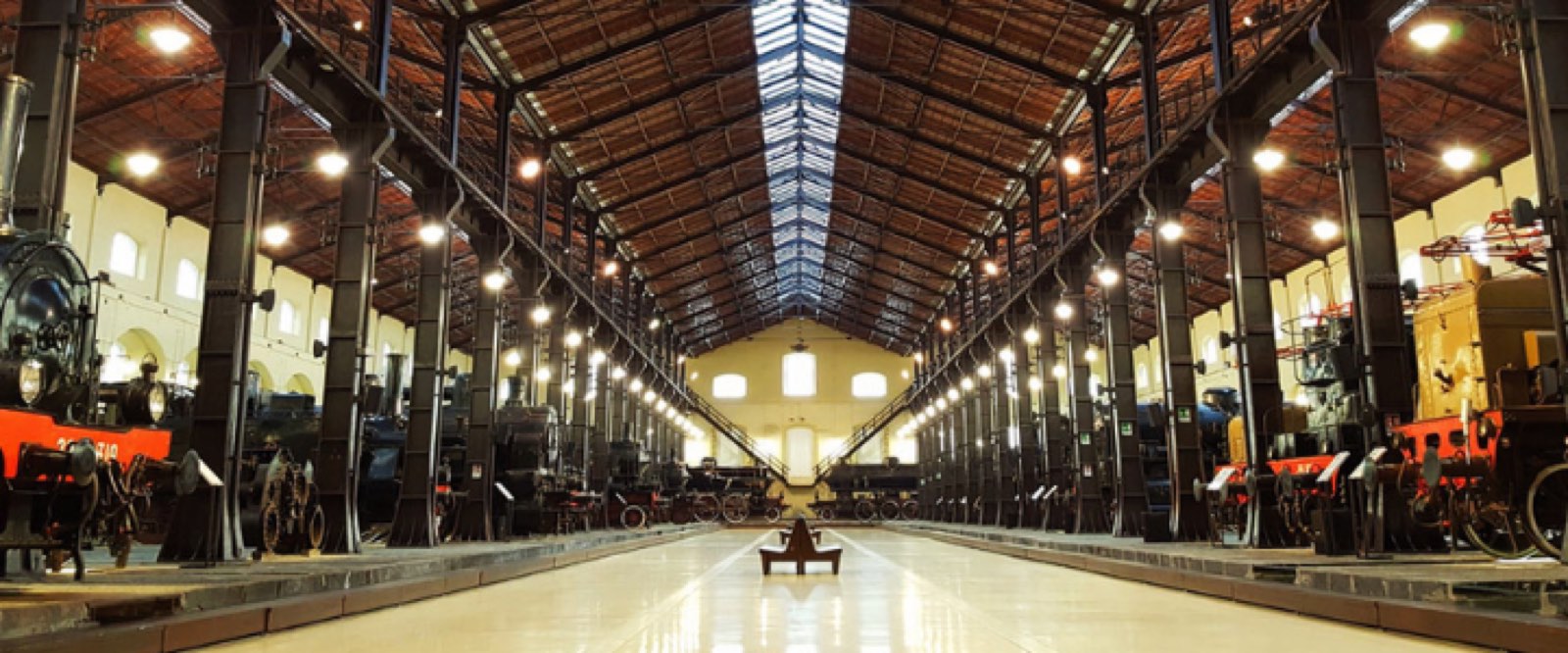
The first Italian railway, and the sea behind the locomotives — Museo di Pietrarsa, among the places recommended by the Follaky Secret Garden museumMuseum · Portici

The first Italian railway, and the sea behind the locomotives

Museo di Pietrarsa

Here stood the Bourbon workshops that built locomotives, beside the first stretch of railway in Italy, the Naples-Portici. Today it is a museum with the machines lined up in the original sheds, and the forecourt opens straight onto the gulf with Vesuvius at its side.

Arrive by train, which is the right way: there is a stop two steps away, and getting off a train to go and look at trains has a certain logic to it.

lightbulbLittle known and never crowded. It works beautifully with children, and also with people who could not care less about trains.

mapOpen in Maps
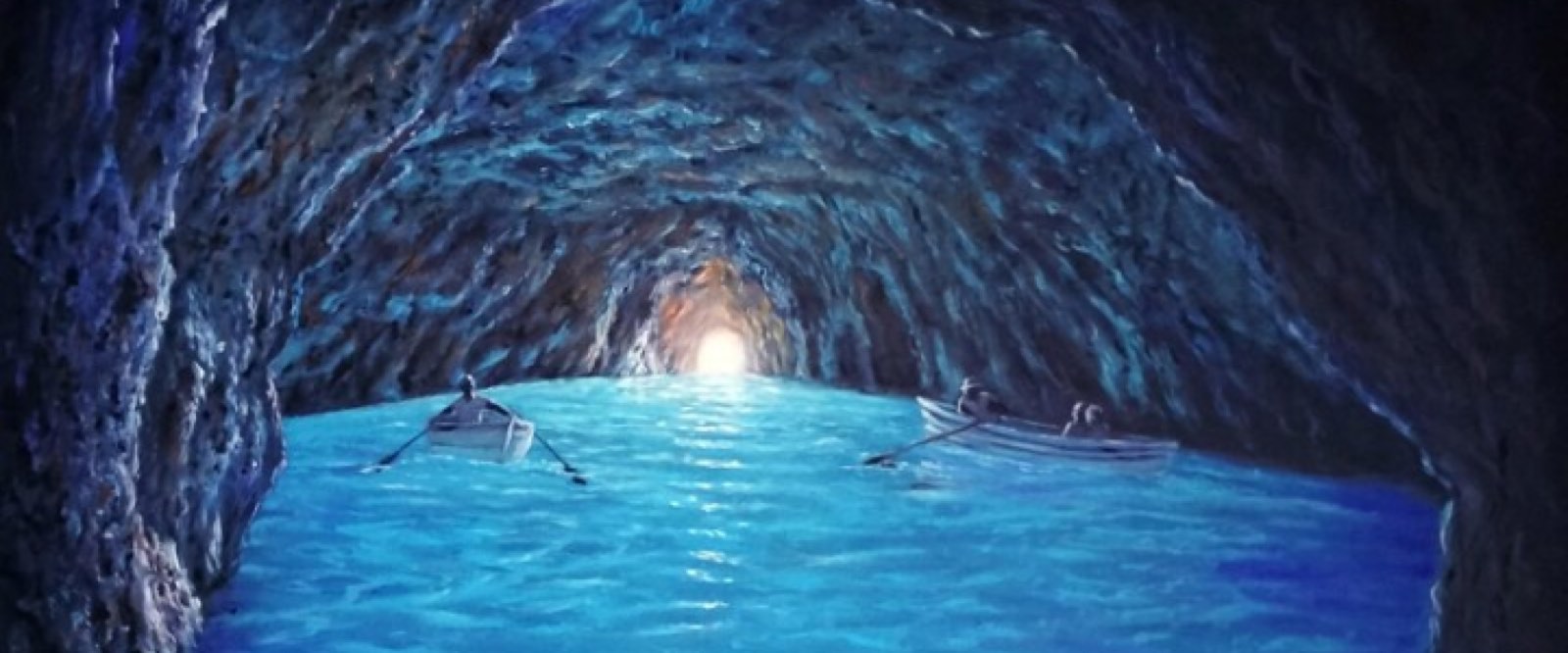
Five minutes inside the most famous blue light on Capri — Grotta Azzurra, among the places recommended by the Follaky Secret Garden beach_accessSea · Capri

Five minutes inside the most famous blue light on Capri

Grotta Azzurra

You go in lying down in a rowing boat, through a gap a metre high, and inside the water is lit from below by light passing through the rock: a phosphorescent blue that photographs do not render. The Romans had built a nymphaeum in there, and the statues were found on the bottom.

Let yourself slide down onto your back in the bottom of the boat at the moment you go in: that is the instant when the dark turns blue, and it lasts hardly at all.

lightbulbIt depends entirely on the sea and the tide: with any swell you cannot get in. Keep it as a possible gift, not as a plan.

mapOpen in Maps
The Terrace of Infinity — Villa Cimbrone, among the places recommended by the Follaky Secret Garden parkPark · Ravello

The Terrace of Infinity

Villa Cimbrone

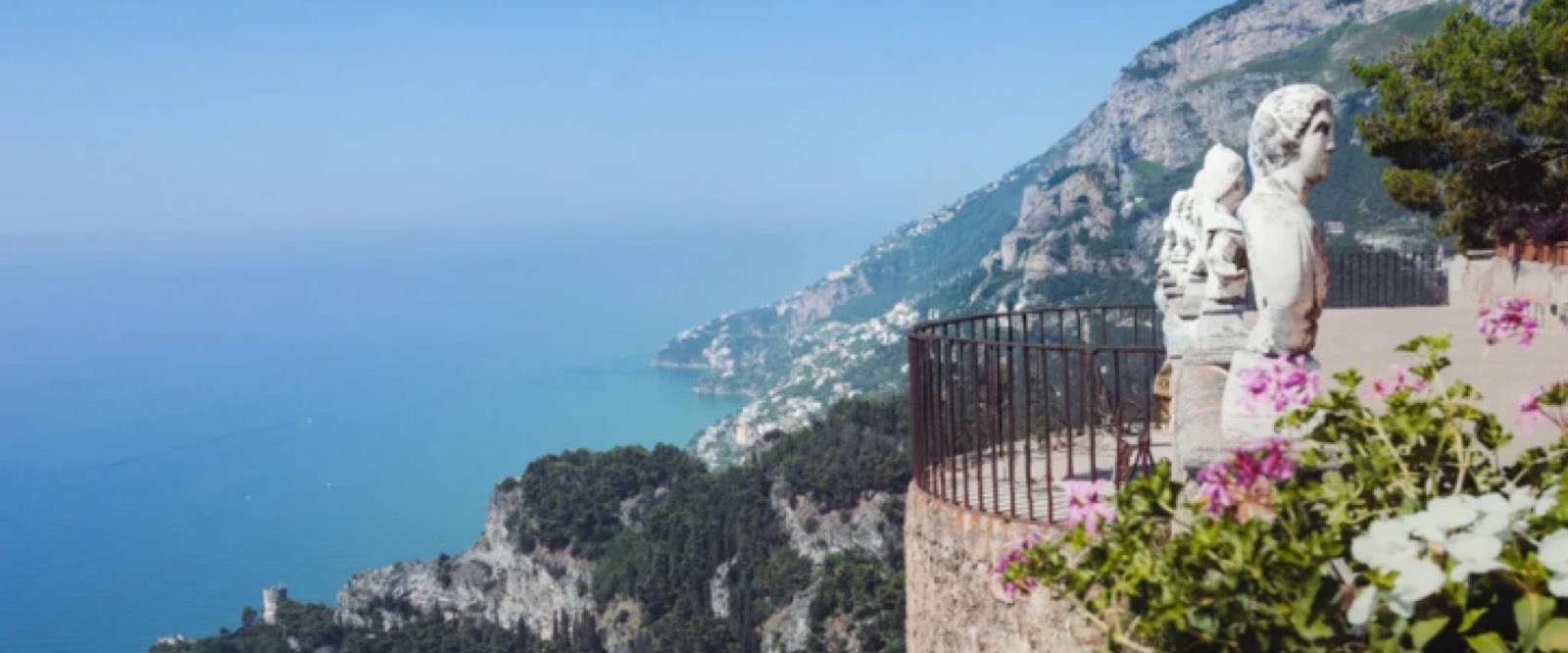
At Ravello, at the top of the Amalfi Coast, an avenue of hydrangeas leads to a balustrade lined with marble busts, and beyond it there is nothing at all: only hundreds of metres of empty air and the sea. Greta Garbo came here to hide, and Gore Vidal called it the finest view in the world.

Go to the end of the avenue without stopping in the gardens. The effect is entirely in the surprise of the last step: prepare for it by looking around and you lose it.

lightbulbRavello is high up and the coast road is long and full of bends. It is a day of its own, not an addition.

mapOpen in Maps
Silence at a thousand metres, a step away from the gulf — Lago del Matese, among the places recommended by the Follaky Secret Garden parkPark · Matese

Silence at a thousand metres, a step away from the gulf

Lago del Matese

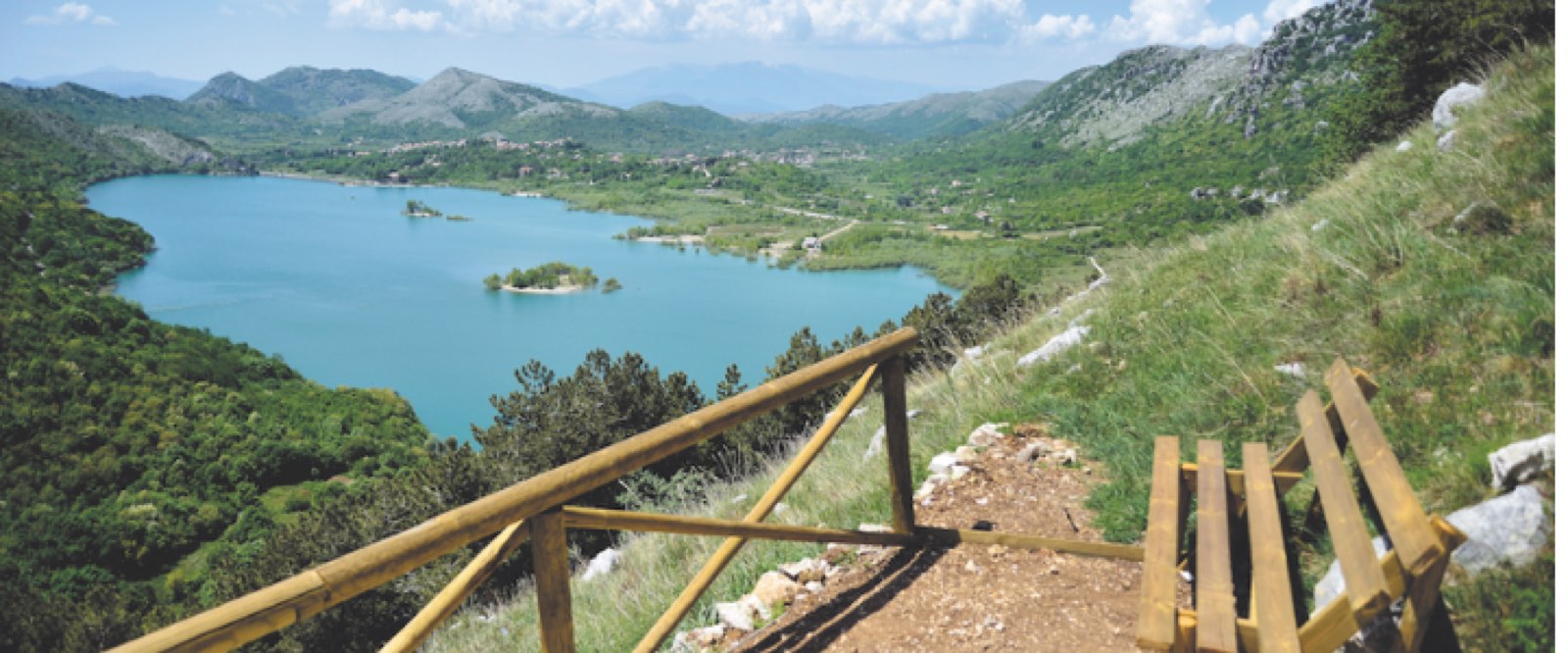
It is a karst lake, on a mountain plateau where horses graze wild and where it snows in winter. It is an hour and a half from the sea, and people who get there find it hard to believe they are still in Campania.

Walk round the lake, or at least the stretch along the shore: it is flat, it does not take long, and the noise you can hear is only the wind.

lightbulbIt is real mountain country: in summer the evenings turn cool and in winter the road can be demanding.

mapOpen in Maps
Mozzarella at the hour when it is still warm — Caseificio Jemma, among the places recommended by the Follaky Secret Garden storefrontShop · Alvignano

Mozzarella at the hour when it is still warm

Caseificio Jemma

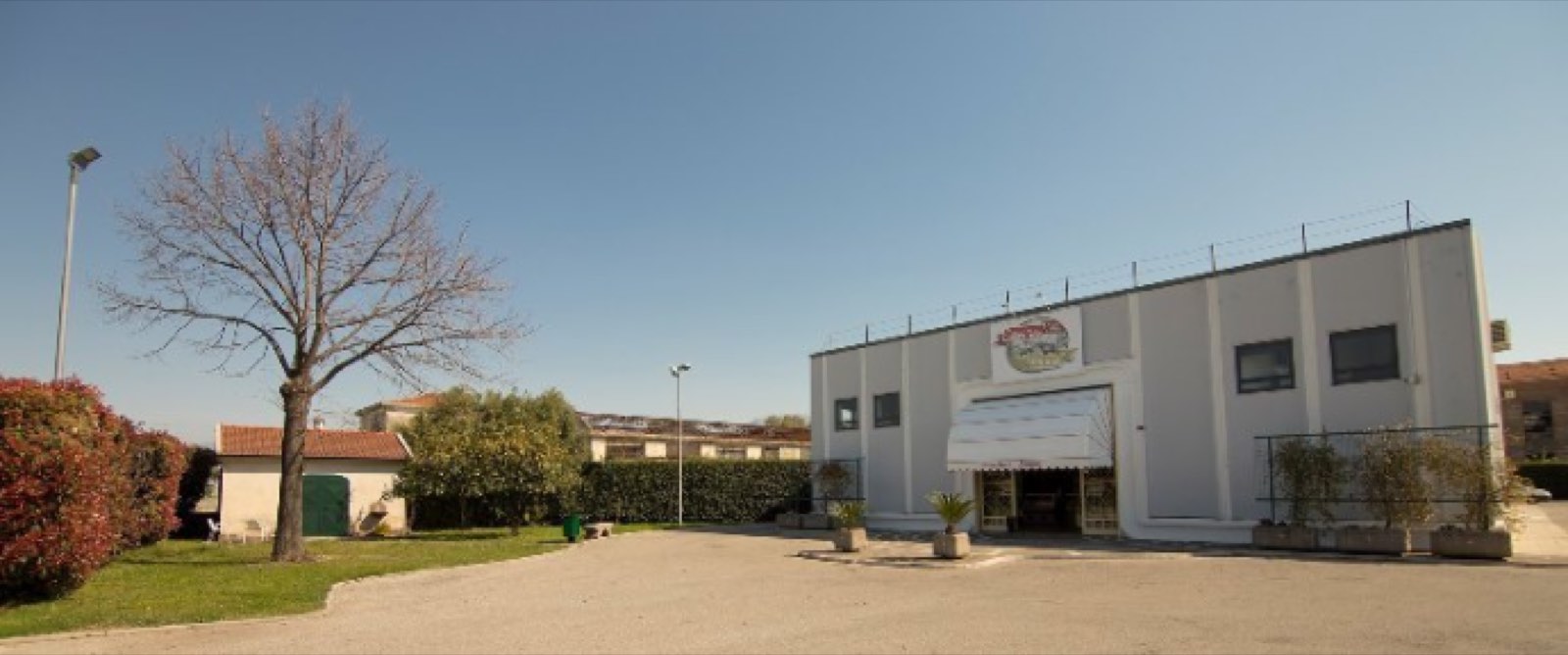
A buffalo dairy in the Caserta hinterland, where you see the animals, watch the curd being stretched by hand and taste what came out of the stretching a few minutes ago. Anyone who only knows the mozzarella from the chilled counter discovers it is another thing altogether.

Ask to taste it still warm, just stretched. It is the only way to understand why here people talk about it the way they talk about wine elsewhere.

lightbulbIt is not round the corner: you go by car, and it makes sense inside a day towards Caserta.

mapOpen in Maps
The buffalo that decide for themselves when to be milked — Tenuta Vannulo, among the places recommended by the Follaky Secret Garden storefrontShop · Paestum

The buffalo that decide for themselves when to be milked

Tenuta Vannulo

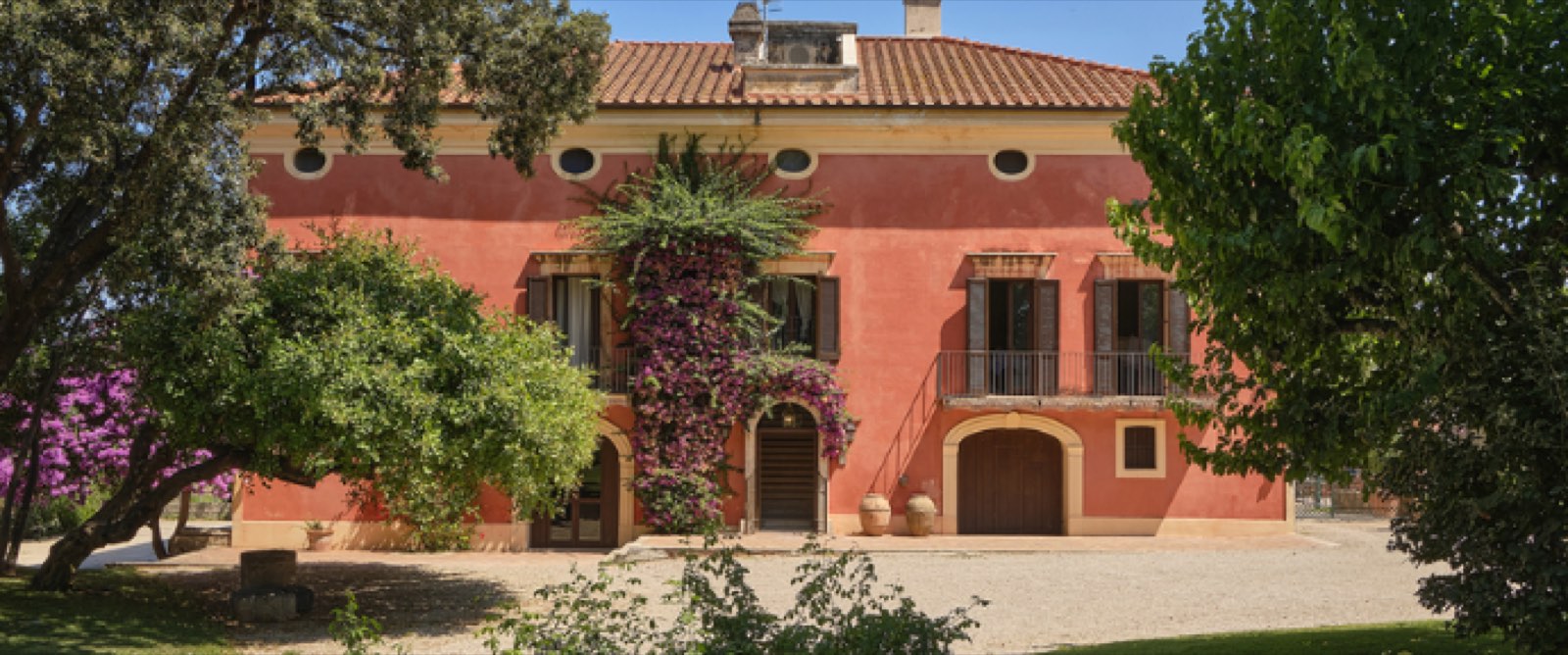
An organic farm on the plain of Paestum where the animals sleep on mattresses, scratch themselves with automatic brushes and go to be milked when they feel like it. Out of it comes a mozzarella sold only there, which runs out almost every day.

Stop for the buffalo yoghurt and ice cream too, which almost nobody expects to find and which are the real surprise of the visit.

lightbulbIt is next to the temples of Paestum: the two together make a day you remember.

mapOpen in Maps
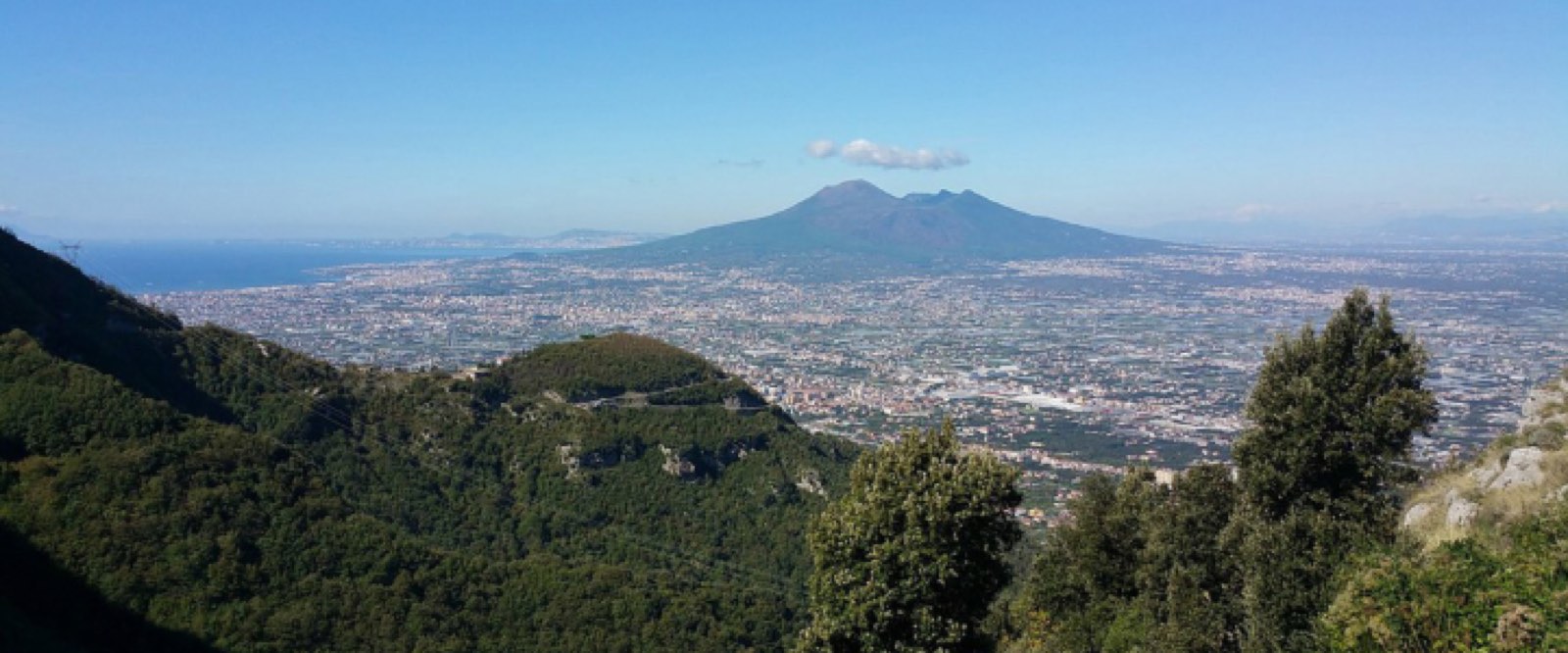
The pass from which you see two worlds at once — Valico di Chiunzi, among the places recommended by the Follaky Secret Garden landscapeView · Lattari Mountains

The pass from which you see two worlds at once

Valico di Chiunzi

It is the pass that crosses the Lattari Mountains between the Nocera plain and the coast: on one side the flatland with Vesuvius at the end of it, on the other the sea of Amalfi opening all at once after the last bend. At the top there is a tower and a couple of places to stop and eat.

Take this road instead of the motorway to come down to the coast: you lose half an hour and you gain the moment when the sea appears all in one piece.

lightbulbTight, continuous bends. Lovely to drive, less so to endure: if anyone gets carsick, warn them beforehand.

mapOpen in Maps
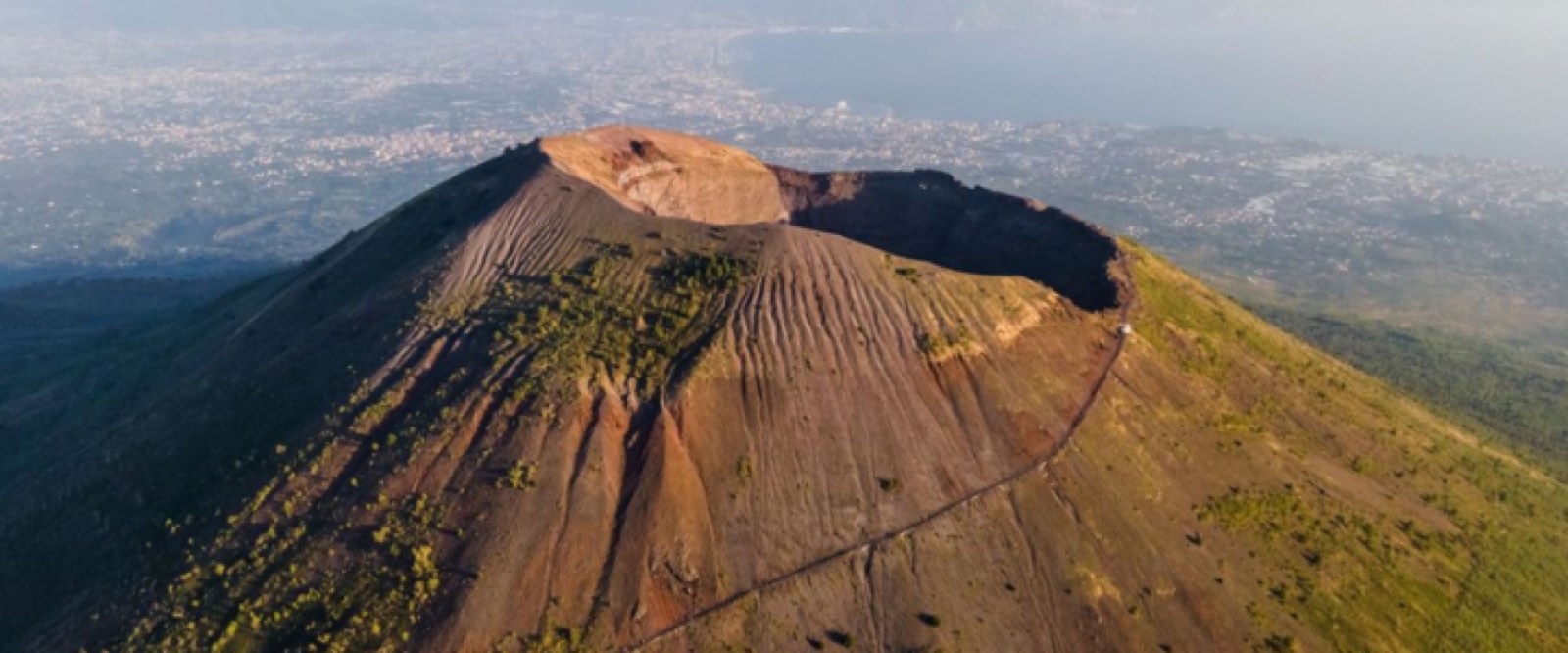
Looking down into the crater — Parco Nazionale del Vesuvio, among the places recommended by the Follaky Secret Garden landscapeView · Vesuvius

Looking down into the crater

Parco Nazionale del Vesuvio

You come by car or shuttle up to a thousand metres and then climb on foot along a path of lapilli to the rim of the crater. From up there you look down inside the volcano on one side and, on the other, at the whole gulf with the city drawn around it: the same mountain that in 79 buried Pompeii.

Walk along the rim as far as the path goes, not only the first viewpoint where most people stop: the panorama changes as you go.

lightbulbIt is volcanic sand, uphill, and at the top there is wind even in summer. Closed shoes and a jacket, always.

mapOpen in Maps
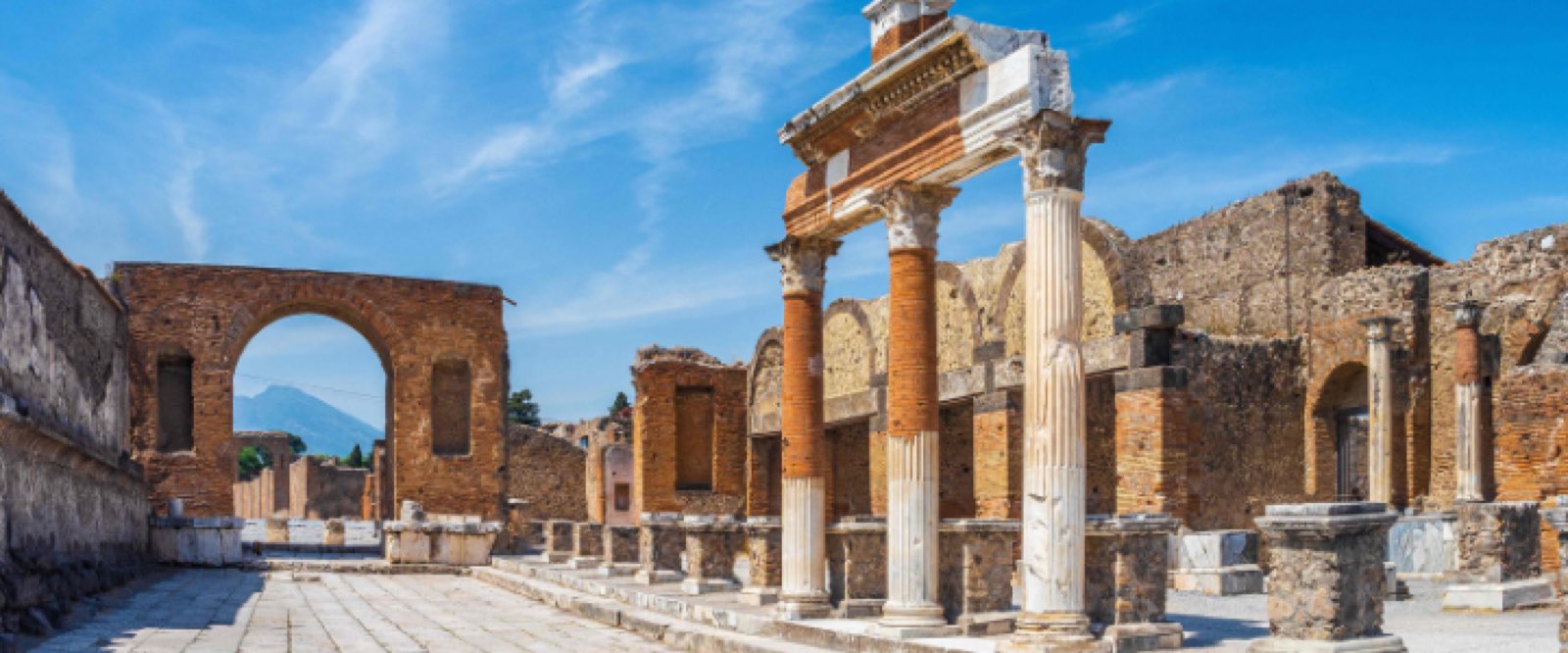
A city interrupted halfway through the day — Pompei, among the places recommended by the Follaky Secret Garden museumMuseum · Pompeii

A city interrupted halfway through the day

Pompei

It is not an archaeological site: it is a city with its streets, the ruts of the carts in the stone, the shop signs, the election notices on the walls and the bread still in the oven. In 79 AD the ash covered everything in a few hours, and held an ordinary day still for two thousand years.

Look for the cart ruts at the crossroads and the raised stones for crossing when it rained. They are the details that turn Pompeii from a ruin into a city.

lightbulbThere is no shade and the distances are long. In summer you go very early in the morning, and you bring your water from home.

mapOpen in Maps
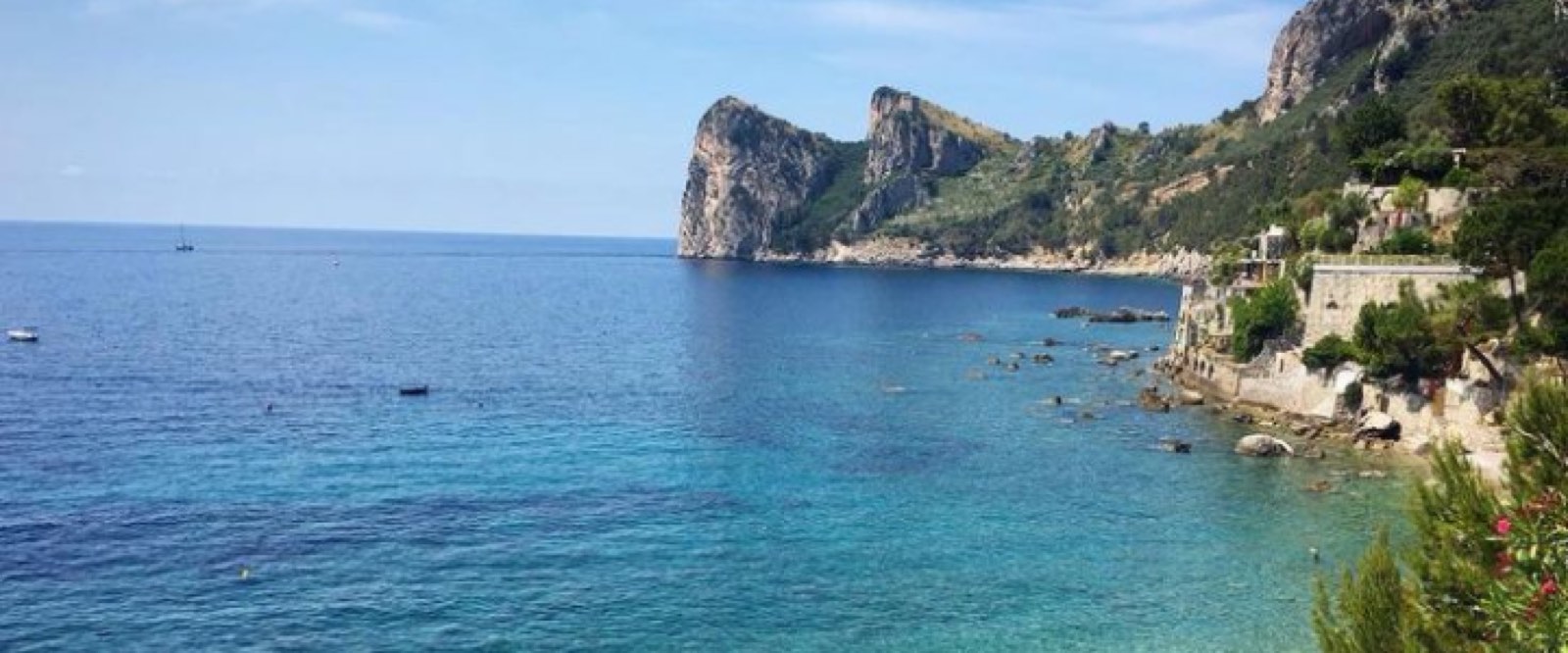
The bay at the end of the path — Nerano, among the places recommended by the Follaky Secret Garden beach_accessSea · Sorrento Peninsula

The bay at the end of the path

Nerano

At the tip of the Sorrento peninsula, below the Lattari Mountains, the Bay of Ieranto and Marina del Cantone close the gulf with green water and white shingle. A pasta with courgettes was born here that went on to travel the world, and this is still where you eat it as it was meant to be.

Walk down to the Bay of Ieranto, which you reach on foot: half an hour of path, and in exchange a cove that cars do not reach.

lightbulbThe road there is narrow and difficult in summer. It is an outing, not a stop.

mapOpen in Maps

Starting from Chiaia

You do not need to do all of the city. Understand enough of it to want to return.

From Follaky you can reach much of the monumental centre on foot; the metro, funiculars and port connect the rest of the city and the Gulf. Choose a few stops with care, leave space for what you encounter, and always check opening times, tickets and access on the official channels.

location_on Of everything guests rate on Booking, location is what scores highest: 9.68 from 62 reviews.